Free Shipping On Every Order



Rent More, Save More! Use code: KBRENTAL
5% off 1 book, 7% off 2 books, 10% off 3+ books
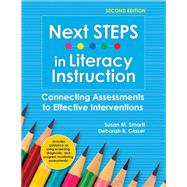
Next Steps in Literacy Instruction

Next Steps in Literacy Instruction
- ISBN 13: 9781598570960
- ISBN 10: 159857096X
- Format: Paperback
- Copyright: 03/31/2010
- Publisher: Brookes Pub
- Newer Edition
Sorry, this item is currently unavailable.
 Free Shipping On Every Order
List Price $47.67 Save $10.82
Used
$36.85
Usually Ships in 24-48 Hours
 We Buy This Book Back!
Included with your book
.svg "Free Shipping On Every Order") Free Shipping On Every Order
Free Shipping On Every Order
List Price $47.67 Save $0.29
New
$47.38
Usually Ships in 24-48 Hours
We Buy This Book Back!
Included with your book
Free Shipping On Every Order
Note: Supplemental materials are not guaranteed with Rental or Used book purchases.
Need to keep your rental past your due date? At any time before your due date you can extend or purchase your rental through your account.
Summary
What happens after a formative literacy assessment like DIBELS, TPRI, FAIR, or AIMSweb? How can educators translate the results into targeted interventions and improved reading outcomes? This reader-friendly teaching guide makes the next steps of literacy instruction clear and easy for K-6 educators. Developed by highly respected experts Smartt and Glaser, this book gives readers a specific breakdown of the indicators on today¿s most popular reading assessments and matches those items with interventions that make a real difference. Next STEPS is everything educators want. It is designed for use with response to intervention, extensively field tested during the nationwide trainings the authors have conducted, and organized by the ¿big five¿ ideas identified by the National Reading Panel: phonemic awareness, alphabetic principle, vocabulary, fluency, and comprehension. All of the suggested interventions are quick and creative, get real results with minimal planning, use materials most teachers already have, and effectively target the specific ¿trouble spots¿ that literacy assessments have identified. And with the classroom vignettes and sample teacher-student dialogues, educators will have adaptable models for their own classroom interactions.