 Free Shipping On Every Order



Rent More, Save More! Use code: KBRENTAL
5% off 1 book, 7% off 2 books, 10% off 3+ books
New England Nature Centuries of Writing on the Wonder and Beauty of the Land
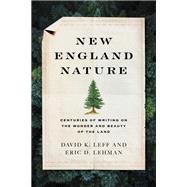
New England Nature Centuries of Writing on the Wonder and Beauty of the Land
- ISBN 13: 9781493052189
- ISBN 10: 1493052187
- Format: Hardcover
- Copyright: 12/01/2020
- Publisher: Globe Pequot
Sorry, this item is currently unavailable.
 Free Shipping On Every Order
List Price $26.95 Save $0.16
New
$26.79
This is a hard-to-find title. We are making every effort to obtain this item, but do not guarantee stock.
 We Buy This Book Back!
Included with your book
.svg "Free Shipping On Every Order") Free Shipping On Every Order
Free Shipping On Every Order
Note: Supplemental materials are not guaranteed with Rental or Used book purchases.
Need to keep your rental past your due date? At any time before your due date you can extend or purchase your rental through your account.
Summary
Since its founding four hundred years ago, New England has been a vital source of nature writing. Maybe it’s the diversity of landscapes huddled so close together or the marriage of nature and culture in a relatively small, six-state region. Maybe it’s the regenerative powers of the ecosystem in a place of repeated exploitations. Or maybe we have simply been thinking about our relationship with the natural world longer than everyone.
If all successive nature writing is a footnote to Henry David Thoreau, then New England has a strong claim to being the birthplace of the genre. But there are, as the sixty entries in this anthology demonstrate, many other regional voices that extol the wonders and beauty of the outdoors, explore local ecology, and call for environmental sustainability. Between these covers, Noah Webster calls for our stewardship of nature and Lydia Sigourney finds sublime pleasure in it. Jonathan Edwards and Helen Keller both find miracles, while Samuel Peters and Mark Twain find humor. Author Nathaniel Hawthorne discovers a place to hide his metaphors, while the enslaved James Mars discovers an actual hiding place.
Through it all is the apprehension of a profound and lasting splendor, “the glory of physical nature,” as W.E.B. Dubois calls it, something beyond our everyday concerns and yet tied so closely to our daily lives that we cannot escape it. Nature writing cultivates our sense of beauty, inflaming curiosity and the passion to explore. It opens us to deep, primal experiences that enrich life. Anyone wanting to understand our relationship with the world must start here.
If all successive nature writing is a footnote to Henry David Thoreau, then New England has a strong claim to being the birthplace of the genre. But there are, as the sixty entries in this anthology demonstrate, many other regional voices that extol the wonders and beauty of the outdoors, explore local ecology, and call for environmental sustainability. Between these covers, Noah Webster calls for our stewardship of nature and Lydia Sigourney finds sublime pleasure in it. Jonathan Edwards and Helen Keller both find miracles, while Samuel Peters and Mark Twain find humor. Author Nathaniel Hawthorne discovers a place to hide his metaphors, while the enslaved James Mars discovers an actual hiding place.
Through it all is the apprehension of a profound and lasting splendor, “the glory of physical nature,” as W.E.B. Dubois calls it, something beyond our everyday concerns and yet tied so closely to our daily lives that we cannot escape it. Nature writing cultivates our sense of beauty, inflaming curiosity and the passion to explore. It opens us to deep, primal experiences that enrich life. Anyone wanting to understand our relationship with the world must start here.


