 Free Shipping On Every Order



Rent More, Save More! Use code: KBRENTAL
5% off 1 book, 7% off 2 books, 10% off 3+ books
The Book of Unconformities Speculations on Lost Time
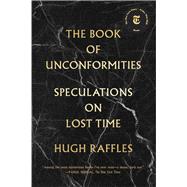
The Book of Unconformities Speculations on Lost Time
- ISBN 13: 9780804197991
- ISBN 10: 0804197997
- Format: Hardcover
- Copyright: 08/25/2020
- Publisher: Pantheon
Sorry, this item is currently unavailable on Knetbooks.com

 Free Shipping On Every Order
List Price $30.00 Save $0.18
New
$29.82
This is a hard-to-find title. We are making every effort to obtain this item, but do not guarantee stock.
 We Buy This Book Back!
Included with your book
.svg "Free Shipping On Every Order") Free Shipping On Every Order
Free Shipping On Every Order
Note: Supplemental materials are not guaranteed with Rental or Used book purchases.
Need to keep your rental past your due date? At any time before your due date you can extend or purchase your rental through your account.
Summary
From the author of the acclaimed Insectopedia, a powerful exploration of loss, endurance, and the absences that permeate the present
When Hugh Raffles’s two sisters died suddenly within a few weeks of each other, he reached for rocks, stones, and other seemingly solid objects as anchors in a world unmoored, as ways to make sense of these events through stories far larger than his own.
A moving, profound, and affirming meditation, The Book of Unconformities is grounded in stories of stones: Neolithic stone circles, Icelandic lava, mica from a Nazi concentration camp, petrified whale blubber in Svalbard, the marble prized by Manhattan’s Lenape, and a huge Greenlandic meteorite that arrived with six Inuit adventurers in the exuberant but fractious New York City of 1897.
As Raffles follows these fundamental objects, unearthing the events they’ve engendered, he finds them losing their solidity and becoming as capricious, indifferent, and willful as time itself.
When Hugh Raffles’s two sisters died suddenly within a few weeks of each other, he reached for rocks, stones, and other seemingly solid objects as anchors in a world unmoored, as ways to make sense of these events through stories far larger than his own.
A moving, profound, and affirming meditation, The Book of Unconformities is grounded in stories of stones: Neolithic stone circles, Icelandic lava, mica from a Nazi concentration camp, petrified whale blubber in Svalbard, the marble prized by Manhattan’s Lenape, and a huge Greenlandic meteorite that arrived with six Inuit adventurers in the exuberant but fractious New York City of 1897.
As Raffles follows these fundamental objects, unearthing the events they’ve engendered, he finds them losing their solidity and becoming as capricious, indifferent, and willful as time itself.


