FREE SHIPPING BOTH WAYS
ON EVERY ORDER!
LIST PRICE:
$13.13

Sorry, this item is currently unavailable.

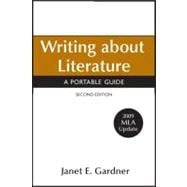
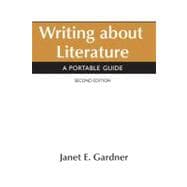
Writing about Literature : A Portable Guide
ISBN: 9780312474997 | 0312474997
Edition: 2nd
Format: Paperback
Publisher: BEDFORD/ST MARTINS
Pub. Date: 1/1/2009

Why Rent from Knetbooks?

Because Knetbooks knows college students. Our rental program is designed to save you time and money. Whether you need a textbook for a semester, quarter or even a summer session, we have an option for you. Simply select a rental period, enter your information and your book will be on its way!

Top 5 reasons to order all your textbooks from Knetbooks:

  • We have the lowest prices on thousands of popular textbooks
  • Free shipping both ways on ALL orders
  • Most orders ship within 48 hours
  • Need your book longer than expected? Extending your rental is simple
  • Our customer support team is always here to help
SummaryTable of ContentsAuthor Biography
Writing about Literatureintroduces strategies for reading literature, explains the writing process and common writing assignments for literature courses, provides instruction in writing about fiction, poetry, and drama, and includes coverage of writing a research paper and of literary criticism and theory.This volume in Bedford/St. Martin's popular series of Portable Anthologies and Guides offers the series' trademark combination of high quality and great value for teachers looking to assign supplementary instruction on reading and writing abou... MORE
... MORE
Prefacep. v
Introduction: Writing about Literaturep. 1
The Role of Good Readingp. 2
The Value of Rereadingp. 2
Critical Readingp. 2
The Myth of "Hidden Meaning"p. 3
Active Readingp. 4
Annotatingp. 4
Samuel Taylor Coleridge, "Kubla Khan"p. 6
Notetakingp. 7
Journal Keepingp. 7
Using Reference Materialsp. 9
Asking Critical Questions of Literaturep. 9
Questions about the Textp. 10
Ben Jonson, "On My First Son"p. 11
Questions about the Authorp. 11
Questions about the Cultural Contextp. 12
Questions about the Readerp. 13
Tips for Good Readingp. 15
The Writing Processp. 16
Choosing a Topicp. 16
Developing an Argumentp. 17
The Thesisp. 17
Gathering Support for Your Thesisp. 19
Organizing Your Paperp. 20
Drafting, Revising, and Editingp. 22
Draftingp. 23
Revisingp. 23
Tips for Drafting, Revising, and Editingp. 25
Final Editing and Proofreadingp. 26
Final Editing Checklistp. 27
Peer Editing and Workshopsp. 28
Trouble Spotsp. 31
Introductionsp. 31
Conclusionsp. 32
Transitionsp. 33
Tips for Writing about Literaturep. 33
Using Quotations Effectivelyp. 35
Adding to or Altering a Quotationp. 36
Omitting Words from a Quotationp. 36
Quotations within Quotationsp. 37
Quotation Marks with Other Punctuationp. 37
Quoting from Storiesp. 38
Quoting from Poemsp. 39
Quoting from Playsp. 40
Tips for Quotingp. 41
Manuscript Formp. 42
Common Writing Assignmentsp. 43
Summaryp. 43
Explicationp. 44
"Upon Julia's Clothes"p. 45
"Poetry in Motion: Herrick's 'Upon Julia's Clothes"p. 46
Analysisp. 47
"My Last Duchess"p. 48
"Possessed by the Need for Possession: Browning's 'My Last Duchess'"p. 50
Comparison and Contrastp. 51
"After Death"p. 52
"Speakers for the Dead: Narrators in 'My Last Duchess' and 'After Death'"p. 53
Essay Examsp. 54
Writing About Storiesp. 57
Elements of Fictionp. 57
Plotp. 57
Charactersp. 57
Point of Viewp. 58
Settingp. 58
Themep. 59
Symbolismp. 59
Stylep. 59
Stories for Analysisp. 60
"The Story of an Hour"p. 61
"The Yellow Wallpaper"p. 63
Questions on the Storiesp. 77
Sample Paper: An Essay That Compares and Contrastsp. 77
"Good Husbands in Bad Marriages"p. 79
Writing About Poemsp. 82
Elements of Poetryp. 82
The Speakerp. 82
The Listenerp. 82
Imageryp. 83
Sound and Sensep. 83
A Poem for Analysisp. 87
"Sonnet 116"p. 87
Questions on the Poemp. 88
Sample Paper: An Explicationp. 88
"Shakespeare Defines Love"p. 89
Writing About Playsp. 92
Elements of Dramap. 92
A Play for Analysisp. 93
"Trifles"p. 94
Questions about the Playp. 106
Sample Paper: An Analysisp. 106
"Moral Ambiguity and Character Development in Trifles"p. 107
Writing A Literary Research Paperp. 110
Finding Sourcesp. 110
Booksp. 111
Periodicalsp. 111
Online Indexesp. 112
Interlibrary Loanp. 113
The Internetp. 113
Evaluating Sourcesp. 114
Working with Sourcesp. 115
Quotingp. 116
Paraphrasing and Summarizingp. 116
Commentingp. 116
Keeping Track of Your Sourcesp. 117
Writing the Paperp. 117
Refine Your Thesisp. 117
Organize Your Evidencep. 117
Start Your Draftp. 118
Revisep. 118
Edit and Proofreadp. 118
Understanding and Avoiding Plagiarismp. 119
What to Document and What Not to Documentp. 121
Documenting Sources: MLA Formatp. 121
In-Text Citationsp. 124
Preparing Your Works Cited Listp. 127
Sample Research Paperp. 137
"Emily Dickinson's 'Because I could not stop for Death': Challenging Readers' Expectations"p. 138
Literary Criticism and Literary Theoryp. 143
Formalism and New Criticismp. 144
Feminist and Gender Criticismp. 144
Marxist Criticismp. 145
Cultural Studiesp. 146
Historical Criticism and New Historicismp. 147
Psychological Theoriesp. 148
Reader-Response Theoriesp. 149
Structuralismp. 150
Poststructuralism and Deconstructionp. 151
Index of Termsp. 153
Table of Contents provided by Ingram. All Rights Reserved.
Janet E. Gardner, an associate professor of English at University of Massachusetts at Dartmouth, has published numerous essays on contemporary drama, especially modern British drama and the work of Caryl Churchill. She has received several grants and awards for research into current teaching technologies, and is at work on a nationwide study of drama and theatre pedagogy. She is the editor of 12 Plays: A Portable Anthology and co-editor of Literature: A Portable Anthology (both with Bedford/St. Martin’s).

Related Products


  • Writing about Literature with 2009 MLA Update : A Portable Guide
    Writing about Literature with ...
  • Writing about Literature : A Portable Guide
    Writing about Literature : A P...


Please wait while this item is added to your cart...