Because Knetbooks knows college students. Our rental program is designed to save you time and money. Whether you need a textbook for a semester, quarter or even a summer session, we have an option for you. Simply select a rental period, enter your information and your book will be on its way!
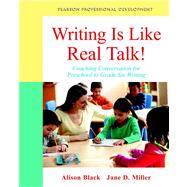
Here’s valuable help for improving students’ writing through a sound, illustrative combination of research-based authentic writing samples and positive coaching conversations. A guide, an incentive, and a model for success, this resource uses real classroom writing and pedagogical elements that provide specific context, research connections, teacher talk, and most importantly, students’ writing examples to help teachers teach writing to preschool through grade 6 students.
Writing Is Like Real Talk! encourages teachers to reflect on how they teach writing–and to use what they learn from students’ writing to inform their instruction. In addition to the outstanding pedagogical aids, each chapter includes authentic writing samples and coaching conversations specific to students’ needs. Armed with these classroom-based scenarios, instructors can enhance the development of teacher talk that acknowledges students as writers, facilitates students’ meaning making, and enables students to move toward writer consciousness.
Preface . . . . . . . . . . . . . . . . . . . . . . . . . . . . . . . . . . . . . . . . . . . . . . . . . . . . . . . . . i
Acknowledgements . . . . . . . . . . . . . . . . . . . . . . . . . . . . . . . . . . . . . . . . . . . . . . vi
... MORE
Section 1: Developing Strategic Writers
Chapter 1 An Overview of Children’s Writing Development . . . . . . . . . . . . . . 1
Chapter 2 Coaching Conversation: Guiding Writing Through Strategic. . . . . . 25
Questioning
Section 2: Children’s Writing – Preschool Through Sixth Grade
Chapter 3 Coaching and its Conversations: The Seven Pedagogical Elements. 35
Chapter 4 Writing My Name – A Two-and-a-Half Year Old . . . . . . . . . . . . . . 39
Chapter 5 A Grocery List – A Three Year Old . . . . . . . . . . . . . . . . . . . . . . . . . 43
Chapter 6 Holiday Gift List – A Four-and-a-Half Year Old . . . . . . . . . . . . . . . 48
Chapter 7 Picture Response with Name – Young Kindergarten . . . . . . . . . . . . 55
Chapter 8 Visualization Response – Kindergarten . . . . . . . . . . . . . . . . . . . . . . 65
Chapter 9 Response to a Thanksgiving Story – Pre-first. . . . . . . . . . . . . . . . . . 73
Chapter 10 Word Study and the Journal Prompt – First Grade . . . . . . . . . . . . . 79
Chapter 11 Retelling of a Fable – First Grade . . . . . . . . . . . . . . . . . . . . . . . . . . 95
Chapter 12 Persuasive Writing: Taking a Vacation – Second Grade . . . . . . . . . 103
Chapter 13 Acrostic Poem – Second Grade . . . . . . . . . . . . . . . . . . . . . . . . . . . . 111
Chapter 14 Book Response – Second Grade. . . . . . . . . . . . . . . . . . . . . . . . . . . . 118
Chapter 15 How Do Planes Work? – Second/Third Grade. . . . . . . . . . . . . . . . . 123
Chapter 16 Lead Sentences – Third Grade . . . . . . . . . . . . . . . . . . . . . . . . . . . . . 131
Chapter 17 Book Reviews –Third Grade . . . . . . . . . . . . . . . . . . . . . . . . . . . . . . 137
Chapter 18 Social Justice Project – Third Grade . . . . . . . . . . . . . . . . . . . . . . . . 145
Chapter 19 Erie Canal Newspaper Column - Fourth Grade. . . . . . . . . . . . . . . . 154
Chapter 20 Persuasive Writing: Dogs vs. Cats – Fourth Grade. . . . . . . . . . . . . 160
Chapter 21 Personal Opinion Essay – Fourth Grade . . . . . . . . . . . . . . . . . . . . . 169
Chapter 22 Letter from a Puritan Child – Fifth Grade . . . . . . . . . . . . . . . . . . . . 178
Chapter 23 Graphing the Ways to Eat Oreos – Fifth Grade. . . . . . . . . . . . . . . . 187
Chapter 24 Science Log: Nature’s Palette – Fifth Grade. . . . . . . . . . . . . . . . . . 195
Chapter 25 Poet or Jazz Musician Biography Essay – Sixth Grade. . . . . . . . . . 203
Chapter 26 Diary Response to a Virtual Field Trip – Sixth Grade. . . . . . . . . . . 212
Chapter 27 Science Clerihew Poem – Sixth Grade . . . . . . . . . . . . . . . . . . . . . . 222
Chapter 28 Math Journal: Teacher to Teacher Coaching – Sixth Grade . . . . . . 230
Appendix . . . . . . . . . . . . . . . . . . . . . . . . . . . . . . . . . . . . . . . . . . . . . . . . . . . . . 237
Alison Black is Associate Professor in the Division of Education at the State University of New York at Oneonta where she teaches literacy courses at the graduate and undergraduate levels. She has published articles in a variety of areas, including a focus on teaching online via asynchronous discussion, the NCATE review process, multicultural education, and preservice teacher concerns. She has also published a book, A Comprehensive Guide to Readers Theatre: Enhancing Fluency and Comprehension in Middle School and Beyond. Alison was a K–12 teacher, media specialist, and storyteller before moving into higher education. Her work with elementary students and readers’ theatre led to her interest in children’s writing.
Jane D. Miller has 35 years of teaching experience, including serving as an elementary classroom teacher, a K–12 Reading Specialist and Reading Recovery teacher, and a lecturer at the State University of New York at Oneonta. Her work with Reading Recovery has especially influenced her teaching of candidates in a teacher education program with a focus on the validation of students’ writing attempts and the building of a strong foundation that will enable students to bridge the gap between what they know and what they need to know.