FREE SHIPPING BOTH WAYS
ON EVERY ORDER!
LIST PRICE:
$81.18

Sorry, this item is currently unavailable.

Middle and Secondary Classroom Management: Lessons from Research and Practice
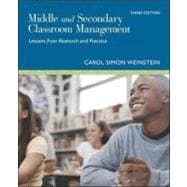
ISBN: 9780073010397 | 0073010391
Edition: 3rd
Format: Paperback
Publisher: McGraw-Hill Humanities/Social Sciences/Languages
Pub. Date: 7/27/2006

Why Rent from Knetbooks?

Because Knetbooks knows college students. Our rental program is designed to save you time and money. Whether you need a textbook for a semester, quarter or even a summer session, we have an option for you. Simply select a rental period, enter your information and your book will be on its way!

Top 5 reasons to order all your textbooks from Knetbooks:

  • We have the lowest prices on thousands of popular textbooks
  • Free shipping both ways on ALL orders
  • Most orders ship within 48 hours
  • Need your book longer than expected? Extending your rental is simple
  • Our customer support team is always here to help
SummaryTable of Contents
Secondary Classroom Management presents an introduction to classroom management in secondary schools. Written in a lively, engaging, conversational style, it combines what research has to say about effective classroom management with knowledge culled from practice. This text focuses on real decisions made by real teachers as they manage the complex environment of the secondary classroom. The text integrates the thinking and the actual management practices of four real secondary school teachers into discussions of research-based management principles. Readers come to "know" these teachers. We hear about the classes they teach and about the physical constraints of their rooms. We hear them reflect on their rules and routines and watch as they teach these rules and routines to students. We listen as they talk about motivating students and building community, and as they discuss appropriate ways to deal with misbehavior. Secondary Classroom Management is well-organized and more comprehensive than many classroom management texts, with chapters on building safer, more caring classrooms; working with families; using time effectively; motivation; working with troubled students; and violence prevention. It also addresses the managerial challenges involved in a variety of instructional formats, such as recitations, discussions, and groupwork.
... MORE
Prefacexix
PART I INTRODUCTION
1(30)
Characteristics and Contradictions of the Middle and High School Classroom
2(29)
Guiding Assumptions
6(3)
Plan of the Book
9(1)
Meeting the Teachers
10(11)
Fred Cerequas
10(2)
Donnie Collins
12(3)
Sandra Krupinski
15(3)
Christina Lugo Vreeland
18(3)
What Do the Students Say?
21(3)
Concluding Comments
24(2)
Summary
26(1)
Activities for Skill Building and Reflection
27(1)
For Further Reading
28(1)
References
28(3)
PART II ESTABLISHING AN ENVIRONMENT FOR LEARNING
31(154)
Designing the Physical Environment
32(24)
Five Functions of the Classroom Setting
33(13)
Security and Shelter
34(1)
Social Contact
35(7)
Symbolic Identification
42(2)
Task Instrumentality
44(1)
Pleasure
44(1)
Practical Tips For: Arranging a Functional Classroom
45(1)
The Teacher as Environmental Designer
46(3)
Think about the Activities the Room Will Accommodate
46(1)
Think about Whether the Students in Your Classroom Have Special Needs That Require Environmental Modifications
47(1)
Draw a Floor Plan
47(1)
Involve Students in Environmental Decisions
48(1)
Try the New Arrangement, Evaluate, and Redesign
48(1)
Some Thoughts on Having to Share Rooms
49(1)
Being a Good Roommate
50(1)
Concluding Comments
50(1)
Summary
51(1)
Activities for Skill Building and Reflection
52(1)
For Further Reading
53(1)
Organizational Resources
54(1)
References
54(2)
Setting the Tone: Creating Safer, More Caring Classrooms
56(40)
Ways of Showing Care and Respect
59(19)
Be Welcoming
59(1)
Be Sensitive to Students' Concerns
60(2)
Welcome Students' Input
62(1)
Be Fair
63(3)
Be a Real Person (Not Just a Teacher)
66(1)
Become Aware of Adolescent Culture
67(1)
Promote Autonomy by Sharing Responsibility
68(1)
Be Inclusive
69(2)
Practical Tips For: Developing Cultural Literacy
71(1)
Search for Students' Strengths
72(1)
Develop Communication Skills
73(4)
A Note about Touching
77(1)
Building Caring Relationships among Students
78(9)
Ask the Students
78(2)
Model the Traits You Want Students to Have
80(1)
Provide Opportunities for Students to Get to Know One Another
80(2)
Practical Tips For: Helping Your Students to Get Acquainted
82(1)
Hold Class Meetings
83(1)
Curb Peer Harassment
84(1)
Be Alert for Student-to-Student Sexual Harassment
85(2)
Use Cooperative Learning Groups
87(1)
A Cautionary Tale
87(1)
Concluding Comments
88(1)
Summary
89(1)
Activities for Skill Building and Reflection
90(1)
For Further Reading
91(1)
Organizational Resources
92(1)
References
92(4)
Establishing Norms for Behavior
96(23)
Research on Effective Classroom Management
97(2)
Defining Your Expectations for Behavior
99(9)
Planning Rules for General Conduct
100(4)
Planning Routines for Specific Situations
104(4)
The First Few Days of School: Teaching Students about the Norms
108(7)
Concluding Comments
115(1)
Summary
115(1)
Activities for Skill Building and Reflection
116(1)
For Further Reading
117(1)
References
117(2)
Working with Families
119(35)
Challenges to Family-Teacher Cooperation
121(6)
Teacher Reluctance to Involve Families in Schooling
121(2)
Parent Reluctance to Become Involved in Schooling
123(3)
The Changing Nature of the Family
126(1)
Overcoming the Challenges: Fostering Collaboration between Families and Schools
127(19)
Helping Families to Fulfill Their Basic Obligations
127(4)
Fulfilling the Basic Obligations of Schools---Communicating with Families
131(2)
Practical Tips For: Reaching ``Hard to Reach'' Parents
133(1)
Practical Tips For: Making Productive Telephone Contacts with Parents
134(4)
Practical Tips For: Back-to-School Night
138(3)
Family Involvement in School
141(2)
Family Involvement in Learning Activities at Home
143(3)
Concluding Comments
146(1)
Summary
147(1)
Activities for Skill Building and Reflection
148(2)
For Further Reading
150(1)
Organizational Resources
150(1)
References
151(3)
Making the Most of Classroom Time
154(31)
How Much Time Is There, Anyway?
155(5)
Increasing Opportunity to Learn
160(14)
Maintaining Activity Flow
161(1)
Practical Tips For: Increasing Students' Learning Time
162(2)
Minimizing Transition Time
164(4)
Practical Tips For: Teaching Transitions
168(1)
Holding Students Accountable
168(6)
The Use of Block Scheduling
174(4)
Practical Tips For: Handling Paperwork
175(3)
Concluding Comments
178(1)
Summary
178(1)
Activities for Skill Building and Reflection
179(2)
For Further Reading
181(1)
References
182(3)
PART III ORGANIZING AND MANAGING INSTRUCTION
185(126)
Enhancing Students' Motivation
186(31)
What Is Realistic? What Is Appropriate?
188(2)
An Expectancy X Value Framework
188(2)
Strategies for Increasing Expectations of Success
190(9)
Provide Opportunities for Success
190(2)
Teach Students to Set Reasonable Goals and to Assess Their Own Performance
192(3)
Help Students Recognize the Relationship between Effort and Outcome
195(1)
Provide Informative Feedback
195(2)
Provide Special Motivational Support to Discouraged Students
197(2)
Enhancing the Value of the Task
199(8)
Relate Lessons to Students' Own Lives
199(2)
Provide Opportunities for Choice
201(1)
Model Interest in Learning and Express Enthusiasm for the Material
202(1)
Include Novelty/Variety Elements
202(1)
Provide Opportunities for Students to Respond Actively
202(1)
Allow Students to Create Finished Products
203(1)
Provide Opportunities for Students to Interact with Peers
204(1)
Provide Extrinsic Rewards
204(3)
Motivating Underachieving and Disaffected Students
207(4)
Practical Tips For: Using Rewards
208(3)
Concluding Comments
211(1)
Summary
211(1)
Activities for Skill Building and Reflection
212(1)
For Further Reading
213(1)
References
214(3)
Managing Independent Work
217(20)
What's Wrong with Seatwork?
219(4)
Implications for Classroom Practice
223(9)
Assign Work That Is Meaningful, Useful, and Relevant to Students
223(1)
Practical Tips For: Using Independent Work Effectively
224(1)
Match the Work to Varying Achievement Levels
225(1)
Make Sure That Written and Oral Directions Are Clear
226(3)
Monitor Behavior and Comprehension
229(2)
Plan for Ragged Endings
231(1)
Concluding Comments
232(1)
Summary
233(1)
Activities for Skill Building and Reflection
233(2)
For Further Reading
235(1)
References
235(2)
Managing Groupwork
237(37)
The Pitfalls of Groupwork
239(5)
Designing Successful Groupwork
244(20)
Decide on the Type of Group to Use
244(1)
Practical Tips For: Designing and Implementing Successful Groupwork
245(3)
Decide on the Size of the Group
248(1)
Decide on Group Composition
249(3)
Structure Cooperative Tasks for Positive Interdependence
252(2)
Ensure Individual Accountability
254(1)
Teach Students to Cooperate
255(7)
Monitor Learning, Involvement, and Cooperative Behavior
262(2)
Two Specific Approaches to Cooperative Learning
264(3)
Jigsaw
264(1)
The Structural Approach to Cooperative Learning
265(2)
Concluding Comments
267(1)
Summary
268(1)
Activities for Skill Building and Reflection
269(1)
For Further Reading
270(1)
Organizational Resources
271(1)
References
271(3)
Managing Recitations and Discussions
274(37)
The Pitfalls of Recitations and Teacher-Led Discussions
281(4)
Unequal Participation
281(1)
Losing It All: Pace, Focus, and Involvement
281(1)
Difficulties in Monitoring Students' Comprehension
282(1)
Incompatibility with the Communication Patterns That Students Bring to School
283(2)
Strategies for Managing Recitations and Teacher-Led Discussions
285(12)
Distributing Chances to Participate
285(1)
Practical Tips For: Managing Recitations and Teacher-Led Discussions
286(3)
Providing Time to Think without Losing the Pace
289(1)
Stimulating and Maintaining Interest
290(2)
Providing Feedback without Losing the Pace
292(2)
Monitoring Comprehension
294(1)
Supporting the Participation of Diverse Learners
295(2)
Moderating Student-Centered Discussions
297(4)
Concluding Comments
301(2)
Practical Tips For: Moderating Student-Centered Discussions
302(1)
Summary
303(2)
Activities for Skill Building and Reflection
305(1)
For Further Reading
306(1)
References
307(4)
PART IV COPING WITH THE CHALLENGES
311
Protecting and Restoring Order
312(45)
Principles for Dealing with Inappropriate Behavior
313(6)
Dealing with Minor Misbehavior
319(4)
Nonverbal Interventions
319(1)
Practical Tips For: Dealing with Minor Misbehavior
319(1)
Verbal Interventions
320(3)
Deliberately Ignoring the Misbehavior
323(1)
Dealing with More Serious Misbehavior: Using Penalties
323(7)
Selecting Penalties
323(5)
Imposing Penalties
328(1)
The Issue of Consistency
329(1)
Penalizing the Group for Individual Misbehavior
330(1)
Dealing with Chronic Misbehavior
330(12)
Resolving Conflicts through Problem Solving
330(2)
Approaches Based on Principles of Behavior Modification
332(7)
Using an Ecosystemic Approach: Changing Problem Behavior by Reframing
339(3)
Dealing with Thorny Problems
342(6)
Defiance
342(1)
Practical Tips For: Handling Defiance
343(1)
Failure to Do Homework
344(1)
Practical Tips For: Increasing the Likelihood That Students Will Do Their Homework
345(1)
Cheating
345(2)
Practical Tips For: Dealing with Cheating
347(1)
When Discipline Violates Students' Constitutional Rights
348(1)
Concluding Comments
349(1)
Summary
350(2)
Activities for Skill Building and Reflection
352(1)
For Further Reading
353(1)
References
354(3)
Helping Students with Special Needs
357(48)
Helping Students with Disabilities and ADHD
359(20)
Learning Disabilities
362(1)
Emotional and Behavioral Disorders
363(1)
Practical Tips For: Helping Students with Conduct Disorder
364(2)
Pervasive Developmental Disorders: Autism and Asperger Syndrome
366(1)
Practical Tips For: Helping Students with Asperger Syndrome
367(1)
Attention-Deficit/Hyperactivity Disorder
368(2)
General Strategies for Helping Students with Disabilities and ADHD
370(1)
Practical Tips For: Helping Students with ADHD
371(2)
Practical Tips For: Co-Teaching in Secondary Classrooms
373(6)
Helping Students Who Are English-Language Learners
379(2)
Helping Students Who Are Troubled
381(15)
Practical Tips For: Helping English-Language Learners
382(1)
Substance Abuse
383(3)
Practical Tips For: Helping Children of Alcoholics/Addicts
386(5)
Abuse and Neglect
391(3)
Eating Disorders
394(2)
Talking with Students Who Have Problems
396(1)
Concluding Comments
396(1)
Summary
397(2)
Activities for Skill Building and Reflection
399(1)
For Further Reading
400(1)
Organizational Resources
401(1)
References
401(4)
Preventing and Responding to Violence
405
How Much Violence Is There?
406(1)
Improving Security Systems
406(1)
Strategies for Preventing Violence
407(18)
Building Supportive School Communities
407(4)
Teaching Social-Emotional Skills and Conflict Resolution
411(1)
Practical Tips For: Dealing with Cyber-Bullying
412(5)
Knowing the Early Warning Signs of Potential for Violence
417(2)
Being Attentive to Whispers and Rumors
419(1)
De-escalating Potentially Explosive Situations
420(1)
Practical Tips For: Managing Potentially Explosive Situations
421(1)
Being Alert for the Presence of Gang Activity
422(2)
Asking Students to Contribute to Violence Prevention Efforts
424(1)
Responding to Violence
425(3)
Coping with Aggressive Behavior
425(3)
Practical Tips For: Responding Effectively to Physical Fights
428(1)
Responding Effectively to Physical Fights
428(1)
Concluding Comments
428(1)
Summary
429(1)
Activities for Skill Building and Reflection
430(1)
For Further Reading
431(1)
Organizational Resources
431(1)
References
432
Name Index1(1)
Subject Index1

Related Products


  • Middle and Secondary Classroom Management : Lessons from Research and Practice
    Middle and Secondary Classroom...
  • Outlines & Highlights for Middle and Secondary Classroom Management : Lessons from Research and Practice by Carol Simon Weinstein
    Outlines & Highlights for Midd...


Please wait while this item is added to your cart...