Free Shipping On Every Order



Amazon no longer offers textbook rentals. We do!
Laboratory Studies for Animal Diversity
Laboratory Studies for Animal Diversity
- ISBN 13:
9780077345976
- ISBN 10:
0077345975
- Edition: 6th
- Format: Spiral Bound
- Copyright: 12/08/2011
- Publisher: McGraw-Hill Education
- Newer Edition
Rent
Sorry, this item is currently unavailable.
 Free Shipping On Every Order
Note: Supplemental materials are not guaranteed with Rental or Used book purchases.
Extend or Purchase Your Rental at Any Time
Need to keep your rental past your due date? At any time before your due date you can extend or purchase your rental through your account.
Summary
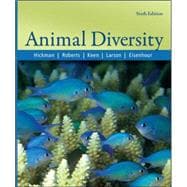
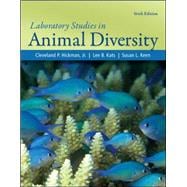
Coral reefs are among the most diverse ecosystems on the planet; the reefs of the Raja Ampat Islands in Indonesia have over 500 coral species and 1300 fish species. The integrity of this complex ecosystem often depends on a balance of organisms. Damselfishes are one of the largest groups of reef fishes, both in number of species and total individuals. This group, which includes the orange-and-white anemonefishes, includes many attractive species that are popular among aquarium keepers. Many damselfishes are tightly linked to reef ecosystems, requiring live coral for food or shelter. Some damselfishes, like the blue-green damselfish (Chromis viridis) shown on the cover, consume zooplankton. Many are herbivorous, grazing on algae. Herbivorous damselfishes create dense patches of algae by killing the polyps of coral, which encourages mats of algae to grow on the coral skeletons. These "gardens" of algae, which provide habitat for many small invertebrates, are maintained and vigorously defended by the damselfises. One species is known to "weed" its gardens, selectively removing less desirable algae. Normally, herbivorous damselfishes do little harm to reefs, because their populations are kept in check by larger, predatory fishes. Unfortunately, the predators are highly prized by anglers; predatory fishes have severely declined in many locations from overfishing. Decline of predatory fishes subsequendy allowed populations of "gardening" damselfishes to increase, jeopardizing the health of coral reefs. Scientists and the public continue to be fascinated by the complex behaviors of damselfishes, many of which are still being discovered.