FREE SHIPPING BOTH WAYS
ON EVERY ORDER!
LIST PRICE:
$63.33

Sorry, this item is currently unavailable.

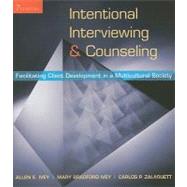
Intentional Interviewing and Counseling With Infotrac: Facilitating Client Development in a Mul...

ISBN: 9780534519858 | 0534519857
Edition: 5th
Format: Paperback
Publisher: Brooks Cole
Pub. Date: 7/29/2002

Why Rent from Knetbooks?

Because Knetbooks knows college students. Our rental program is designed to save you time and money. Whether you need a textbook for a semester, quarter or even a summer session, we have an option for you. Simply select a rental period, enter your information and your book will be on its way!

Top 5 reasons to order all your textbooks from Knetbooks:

  • We have the lowest prices on thousands of popular textbooks
  • Free shipping both ways on ALL orders
  • Most orders ship within 48 hours
  • Need your book longer than expected? Extending your rental is simple
  • Our customer support team is always here to help
SummaryTable of Contents
Over 450 databased studies attest to the effectiveness of the microskills model in the INTENTIONAL INTERVIEWING AND COUNSELING: FACILITATING CLIENT DEVELOPMENT IN A MULTICULTURAL SOCIETY! The new Fifth Edition of this hallmark text enables students of many backgrounds to master basic skills in a step-by-step fashion, thus rapidly empowering them to conduct a full interviews using only listening skills. Following this, students learn confrontation and influencing skills and by the time the text is completed, students will be able to conduct inte... MORE
Before You Start: Ethics and Multicultural Competence1(14)
Welcome!
1(1)
What Does This Book Offer for Your Development?
2(... MORE
Developing Competence in the Interview
3(4)
Ethics and Multicultural Competence
7(4)
A Final Word
11(2)
References
13(2)
SECTION I Introduction15(50)
Chapter 1 Toward Intentional Interviewing and Counseling
17(18)
Interviewing, Counseling, and Psychotherapy
18(1)
Personal Style, Intentionality, and Cultural Intentionality
19(3)
The Microskills Hierarchy
22(5)
Story-Positive Asset-Restory-Action
27(1)
You and the Microtraining Process: A Suggested Exercise
28(2)
Competency Practice Exercises and Self-Assessment
30(1)
References
31(4)
Chapter 2 Attending Behavior: Basic to Communication
35(30)
Introduction: The Basics of Listening
36(1)
Example Interviews: Do I Want to Become a Counselor?
37(5)
Instructional Reading: Getting Specific about Listening
42(8)
Using Attending in Challenging Situations
50(1)
Summary: Becoming a Samurai
51(2)
Competency Practice Exercises and Self-Assessment
53(7)
Determining Your Own Style and Theory: Critical Self-Reflection on Attending Behavior
60(1)
References
61(4)
SECTION II Hearing Client Stories: How to Organize an Interview65(156)
Chapter 3 Questions: Opening Communication
67(28)
Introduction: Questioning Questions
68(2)
Example Interview: Conflict at Work
70(5)
Instructional Reading: Making Questions Work for You
75(11)
Summary: Making Your Decision about Questions
86(1)
Competency Practice Exercises and Portfolio of Competence
87(6)
Determining Your Own Style and Theory: Critical Self-Reflection on Questioning
93(1)
References
93(2)
Chapter 4 Observation Skills
95(29)
Introduction: Keeping Watch on the Interview
96(2)
Example Interview: Is the Issue Difficulty in Studying or Racial Harassment?
98(4)
Instructional Reading
102(11)
Summary: Observation Skills
113(2)
Competency Practice Exercises and Portfolio of Competence
115(7)
Determining Your Own Style and Theory: Critical Self-Reflection on Observation Skills
122(1)
References
123(1)
Chapter 5 Encouraging, Paraphrasing, and Summarizing: The Skills of Active Listening
124(24)
Introduction: Active Listening
125(1)
Example Interview: They Are Teasing Me about My Shoes
126(3)
Instructional Reading: The Active Listening Skills of Encouraging, Paraphrasing, and Summarizing
129(9)
Summary: Practice, Practice, and Practice
138(2)
Competency Practice Exercises and Portfolio of Competence
140(7)
Determining Your Own Style and Theory: Critical Self-Reflection on the Active Listening Skills
147(1)
References
147(1)
Chapter 6 Observing and Reflecting Feelings: A Foundation of Client Experience
148(28)
Introduction: The Emotional World of Clients
149(4)
Example Interview: My Mother Has Cancer, My Brothers Don't Help
153(4)
Instructional Reading: Becoming Aware of and Skilled with Emotional Experience
157(7)
Summary: A Caution about Reflection of Feelings
164(2)
Competency Practice Exercises and Portfolio of Competence
166(8)
Determining Your Own Style and Theory:
Critical Self-Reflection on Reflection of Feeling
174(1)
References
174(2)
Chapter 7 Integrating Listening Skills: How to Conduct a Well-Formed Interview
176(45)
Introduction: A Review of Cultural Intentionality and Intentional Competence
177(1)
Instructional Reading 1: The Ivey Taxonomy Anticipating the Results of Skill Usage
178(8)
Instructional Reading 2: Empathy and Microskills
186(4)
Instructional Reading 3: The Five Stages/Dimensions of the Well-Formed Interview
190(10)
Example Interview: I Can't Get Along with My Boss
200(7)
Summary
207(1)
Competency Practice Exercises and Portfolio of Competence
208(11)
Determining Your Own Style and Theory: Critical Self-Reflection on Integrating Listening Skills
219(1)
References
219(2)
SECTION III Helping Clients Generate New Stories That Lead to Action: Influencing Skills and Strategies221(122)
Chapter 8 The Skills of Confrontation: Supporting While Challenging
223(30)
Introduction: Helping Clients Move from Inaction to Action
224(1)
Instructional Reading: Challenging Clients in a Supportive Fashion
224(14)
Example Interview: Balancing Family Responsibilities
238(3)
Summary
241(3)
Competency Practice Exercises and Portfolio of Competence
244(8)
Determining Your Own Style and Theory: Critical Self-Reflection on Confrontation
252(1)
References
252(1)
Chapter 9 Focusing the Interview: Exploring the Story from Multiple Perspectives
253(28)
Introduction: Putting Stories in Context
254(1)
Instructional Reading 1: Multiple Perspectives on Client Concerns
254(7)
Instructional Reading 2: Family and Community Genograms
261(5)
Example Interview: It's All My Fault Helping the Client Understand Self-in-Relation
266(5)
Summary: Focusing and Self-in-Relation
271(1)
Competency Practice Exercises and Portfolio of Competence
272(7)
Determining Your Own Style and Theory: Critical Self Reflection on Focusing
279(1)
References
280(1)
Chapter 10 Eliciting and Reflecting Meaning: Helping Clients Explore Values and Beliefs
281(25)
Introduction: Discovering and Encountering Deeper Issues
282(3)
Example Interview: Surviving Divorce
285(2)
Instructional Reading: Theoretical Orientations and Meaning
287(7)
Summary: Making Sense of Meaning
294(2)
Competency Practice Exercises and Portfolio of Competence
296(8)
Determining Your Own Style and Theory:
Critical Self-Reflection on Reflecting Meaning
304(1)
References
304(2)
Chapter 11 Influencing Skills: Six Strategies for Change
306(37)
Introduction: An Overview of Influencing Skills
307(3)
Example Interview: The Framework for Presentation of Influencing Skills
310(1)
Instructional Reading 1 and Exercises: Interpretation/Reframing
311(4)
Instructional Reading 2 and Exercises: Logical Consequences
315(4)
Instructional Reading 3 and Exercises: Self-Disclosure
319(4)
Instructional Reading 4 and Exercises: Feedback
323(4)
Instructional Reading 5 and Exercises: Information/Advice/Opinion/Suggestion
327(1)
Instructional Reading 6 and Exercises: Directives
328(8)
Competency Practice Exercises and Portfolio of Competence
336(5)
Determining Your Own Style and Theory: Critical Self-Reflection on Influencing Skills
341(1)
References
342(1)
SECTION IV Skill Integration343(92)
Chapter 12 Skill Integration: Putting It All Together
345(38)
Introduction: Analyzing the Interview
346(1)
Instructional Reading 1: Decisional Counseling
346(2)
Example Full Interview Transcript: I'd Like to Find a New Career
348(23)
Instructional Reading 2: Interview Transcript Analysis and Planning
371(7)
Competency Practice Exercise and Portfolio of Competence
378(4)
Determining Your Own Style and Theory: Critical Self-Reflection on Skill Integration
382(1)
References
382(1)
Chapter 13 Integrating Microskills with Theory: Sequencing Skills and Interview Stages
383(37)
Introduction: Microskills and Theoretical Approaches to the Interview
384(1)
Instructional Reading and Example Interview 1: Person-Centered Counseling
384(4)
Instructional Reading and Example Interview 2: Assertiveness Training-A Behavioral Strategy
388(8)
Instructional Reading and Example Interview 3: Brief Solution-Oriented Interviewing and Counseling
396(12)
Example Interview: Brief Solution-Oriented Counseling
408(6)
Competency Practice Exercises and Portfolio of Competence
414(4)
Determining Your Own Style and Theory: Critical Self-Reflection on Four Theoretical Orientations
418(1)
References
418(2)
Chapter 14 Determining Personal Style and Future Theoretical/Practical Integration
420(15)
Introduction: Finding Your Authentic Style
421(1)
Instructional Reading: Defining Your Personal Style
421(10)
Summary
431(1)
Suggested Supplementary Readings
431(4)
Appendix Professional Disclosure and Agreements435
Name Index
437(2)
Subject Index
439

Related Products


  • Intentional Interviewing and Counseling
    Intentional Interviewing and C...
  • Intentional Interviewing and Counseling : Facilitating Client Development in a Multicultural Society
    Intentional Interviewing and C...
  • Intentional Interviewing and Counseling : Facilitating Client Development in a Multicultural Society
    Intentional Interviewing and C...
  • Interactive Resource CD for Ivey/Ivey/Zalaquett's Intentional Interviewing and Counseling: Facilitating Client Development in a Multicultural Society, 7th
    Interactive Resource CD for Iv...
  • Outlines and Highlights for General, Organic, and Biological Chemistry : Structures of Life, Platinum by Timberlake, Karen C. Timberlake, Karen C. , ISBN
    Outlines and Highlights for Ge...


Please wait while this item is added to your cart...