FREE SHIPPING BOTH WAYS
ON EVERY ORDER!
LIST PRICE:
$59.40

OUR PRICE:
$16.53

You may extend rentals at any time.


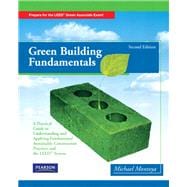
Green Building Fundamentals

ISBN: 9780135111086 | 0135111080
Edition: 2nd
Format: Paperback
Publisher: Prentice Hall
Pub. Date: 1/6/2010

Why Rent from Knetbooks?

Because Knetbooks knows college students. Our rental program is designed to save you time and money. Whether you need a textbook for a semester, quarter or even a summer session, we have an option for you. Simply select a rental period, enter your information and your book will be on its way!

Top 5 reasons to order all your textbooks from Knetbooks:

  • We have the lowest prices on thousands of popular textbooks
  • Free shipping both ways on ALL orders
  • Most orders ship within 48 hours
  • Need your book longer than expected? Extending your rental is simple
  • Our customer support team is always here to help
SummaryTable of Contents
This material is suitable for courses that cover the fundamental concepts of sustainable design and green building and courses that cover the LEED-Green Associate exam. This material also supplements materials used for commercial construction means and methods.This book helps students understand the fundamental concepts of sustainable design and green building practices, which will soon become common practice on every project. It is also intended as a practical guide for becoming a LEED Green Associate, with a step-by-step study guide and a stu... MORE
... MORE
Prefacep. xi
Introduction to Green Building Fundamentalsp. 1
References and Resources for Further Studyp. 4
Sustainability and the Building Industryp. 5
The Triple Bottom Linep. 5
The Environmental Imperativep. 5
The Economic Imperativep. 7
The Social Imperativep. 8
References and Resources for Further Studyp. 10
Sustainable Design and Green Buildingp. 11
Sustainable Design Practicesp. 11
Benefits of Sustainably Designed Projectsp. 15
Designing High-Efficiency Buildingsp. 17
Reduce, Reuse, and Recycle Building Materialsp. 17
Natural Resource Use Reductionp. 17
Green Building Practicesp. 19
LEED“, Follow, or Get Out of the Wayp. 20
References and Resources for Further Studyp. 22
Evaluating Cost Implications of Green Buildingp. 23
Cost Implications of Green Buildingp. 23
Evaluating "Soft" Costsp. 25
Evaluating Capital Costs and Initial Investmentp. 26
Life-Cycle Cost and Long-Term Investment Considerationsp. 27
Selling and Renting LEED Buildingsp. 28
Long-Term Cost Benefits Due to User Productivityp. 28
Building Energy and Water Consumptionp. 29
References and Resources for Further Studyp. 30
Site Development Considerationsp. 31
Evaluating the Project Sitep. 31
Developing Damaged Sitesp. 33
Brownfield Site Remediation Strategiesp. 34
Air Spargingp. 34
Bio Plugsp. 34
Bioremediationp. 35
Bioventingp. 35
Electrokinetic Remediationp. 35
Soil Flushingp. 35
Chemical Oxidationp. 35
Phytoremediationp. 35
Solar Detoxp. 35
Encouraging Alternative Transportation Usep. 35
Reducing Disturbance to Natural Ecosystemsp. 37
Reducing Heat Island Effects on Ecosystemsp. 37
Reducing Pollution from Building and Site Lightingp. 39
Maximizing Efficiency by Using Building Orientationp. 39
References and Resources for Further Studyp. 41
Managing Site Water Runoffp. 43
Managing Erosion and Controlling Sedimentationp. 43
Effective Strategies for Stormwater Managementp. 49
References and Resources for Further Studyp. 52
Improving a Project's Water Use Efficiencyp. 53
Improving Water Use Efficiencyp. 53
Water-Efficient Landscapingp. 53
Water-Efficient Buildingsp. 54
Recycling Wastewaterp. 55
Wastewater Retention and Reusep. 56
Rainwater Reusep. 57
Infiltration Systemsp. 58
Reuse Systemsp. 58
Greywater Reuse from Buildingsp. 59
References and Resources for Further Studyp. 60
Improving a Building's Energy Efficiencyp. 61
Efficient Energy Use for Building Systemsp. 61
Heating and Cooling Systemsp. 61
Passive Solar Heating and Coolingp. 62
Direct Heat Gainp. 63
Indirect Heat Gainp. 64
Isolated Heat Gainp. 65
Maximizing Energy Performancep. 65
References and Resources for Further Studyp. 67
Using Renewable Energy Sourcesp. 68
Renewable Energy Sourcesp. 68
Green Powerp. 70
Wind Farmsp. 70
Photovoltaic Power Plantsp. 72
Solar Thermal Power Plantsp. 74
Geothermal Power Plantsp. 75
Hydroelectric Power Plantsp. 76
Tidal-Surge-Powered Electricityp. 76
Biomass Power Sourcesp. 77
Tidal Power Sourcesp. 77
References and Resources for Further Studyp. 77
On-Site Power Generation Using Renewable Energy Sourcesp. 79
Photovoltaic (PV) Power Generationp. 79
Electricity Storage with PV Systemsp. 81
Grid-Connected PV Systemsp. 81
Building-Mounted PV Systemsp. 83
Site-Mounted PV Arraysp. 84
Building-Integrated Photovoltaicsp. 85
Financial Incentives for On-Site Solar Power Generationp. 87
Subsidiesp. 87
Net Meteringp. 87
Feed-in Tariffsp. 87
Biomass Power Systemsp. 88
Geothermal Power Systemsp. 88
Wind Turbine Power Systemsp. 89
Turbine Configurationp. 90
Hybrid Renewable Energy Systemsp. 92
References and Resources for Further Studyp. 93
Improving a Building's Material Usep. 94
Reusing Existing Building Stockp. 94
Selecting Building Materialsp. 94
Building Materials That Have Recycled Contentp. 95
Material Transportation Impactsp. 95
Building Materials That are Made from Rapidly Renewable Resourcesp. 96
Recycling Construction Wastep. 97
References and Resources for Further Studyp. 98
Improving a Building's Indoor Environment Qualityp. 99
Ventilation Systems for Improved Indoor Air Qualityp. 99
Measuring Indoor Air Qualityp. 99
Mechanical Ventilation Systemsp. 100
Passive Ventilation Systemsp. 100
Cross-Ventilationp. 101
Stack Ventilationp. 101
Hybrid Integrated Ventilation Systemsp. 102
Methods for Improving Indoor Air Quality During Constructionp. 103
Construction Air Quality Control Planp. 103
Improving Air Quality During Constructionp. 103
References and Resources for Further Studyp. 104
The USGBC's LEED“ Green Building Certification Programp. 105
Sustainability and the USGBC's LEED“ Green Building Certification Programp. 105
The U.S. Green Building Councilp. 105
USGBC Guiding Principlesp. 106
The LEED Green Building Rating Systemp. 106
The Future of LEEDp. 108
Becoming a LEED-Accredited Professionalp. 108
Building Certificationp. 110
References and Resources for Further Studyp. 112
Becoming a LEED Green Associatep. 113
LEED Accredited Professional Programsp. 113
LEED Green Associate Programp. 114
Preparing for the LEED Green Associate Examp. 115
Focused Study Planp. 115
USGBC Reference Guidep. 118
Timeline for LEED Implementationp. 121
Additional Study Sourcesp. 121
Primary Referencesp. 122
Ancillary Referencesp. 122
Exam Formatp. 122
LEED Green Associate Exam General Topicsp. 123
Synergistic Opportunities and LEED Application Processp. 123
Project Site Factorsp. 123
Water Managementp. 124
Project Systems and Energy Impactsp. 124
Acquisition, Installation, and Management of Project Materialsp. 125
Stakeholder Involvement in Innovationp. 125
Project Surroundings and Public Outreachp. 125
Study Assessment Guidep. 125
Project Checklist: LEED Version 3 (2009)p. 127
LEED Version 3 Study Outlinep. 133
Study Assessment Guide LEED Version 3 Green Associatep. 135
Study Assessment Guide Answer Key and Focused Study Resourcesp. 145
Indexp. 167
Table of Contents provided by Ingram. All Rights Reserved.

Related Products


  • Green Building Fundamentals : A Practical Guide to Understanding and Applying Fundamental Sustainable Construction Practices and the LEED Green Building Rating System
    Green Building Fundamentals : ...


Please wait while this item is added to your cart...