FREE SHIPPING BOTH WAYS
ON EVERY ORDER!
LIST PRICE:
$42.95

OUR PRICE:
$34.02

You may extend rentals at any time.


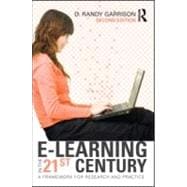
E-Learning in the 21st Century : A Framework for Research and Practice, 2nd Edition

ISBN: 9780415885836 | 0415885833
Edition: 2nd
Format: Nonspecific Binding
Publisher: Routledge
Pub. Date: 2/28/2011

Why Rent from Knetbooks?

Because Knetbooks knows college students. Our rental program is designed to save you time and money. Whether you need a textbook for a semester, quarter or even a summer session, we have an option for you. Simply select a rental period, enter your information and your book will be on its way!

Top 5 reasons to order all your textbooks from Knetbooks:

  • We have the lowest prices on thousands of popular textbooks
  • Free shipping both ways on ALL orders
  • Most orders ship within 48 hours
  • Need your book longer than expected? Extending your rental is simple
  • Our customer support team is always here to help
SummaryTable of ContentsAuthor Biography
The second edition of E-Learning in the 21stCenturyprovides a coherent, comprehensive, and empirically-based framework for understanding e-learning in higher education. Garrison draws on his decades of experience and extensive research in the field to explore the technological, pedagogical, and organizational implications of e-learning. Most importantly, he provides practical models that educators can use to realize the full potential of e-learning. This book is unique in that it focuses less on the long list ever-evolving technologies and more on the search for an understanding of these technologies from an educational perspective. The second edition has been fully revised and updated throughout and includes discussions of social media and mobile learning applications as well as other emerging technologies in today#xE2;#xAC;"s classrooms. This book is an invaluable resource for courses on e-learning in higher education as well as for researchers, practitioners and senior administrators looking for guidance on how to successfully adopt e-learning in their institutions.
List of Illustrationsp. ix
Preface to the Second Editionp. xi
Preface to the First Editionp. xiii
Acknowledgmentsp. xvii
Introductionp. 1
E-Learning Describedp. 2
A New Realityp. 3
Conclusionp. 5
The Conceptual Frameworkp. 7
Theoretical Foundationsp. 9
Philosophical Perspect... MOREp. 9
A Transactional Viewp. 10
Responsibility and Controlp. 11
Theoretical Conceptsp. 12
Approachesp. 13
Principlesp. 15
Text-Based Communicationp. 16
Conclusionp. 17
Community of Inquiryp. 19
The Learning Communityp. 20
A Theoretical Frameworkp. 21
Social Presencep. 23
Cognitive Presencep. 24
Teaching Presencep. 24
Indicatorsp. 25
Theoretical Developmentp. 26
A Theory?p. 27
Conclusionp. 29
Social Presencep. 30
A Non-Verbal Communityp. 30
Developmentsp. 33
Categories of Social Presencep. 37
Interpersonal Communicationp. 37
Open Communicationp. 39
Cohesive Responsesp. 39
Practical Implicationsp. 40
Conclusionp. 41
Cognitive Presencep. 42
Conceptual Backgroundp. 42
Critical Thinkingp. 43
Practical Inquiryp. 45
Developmentsp. 47
Cognitive Presence Descriptorsp. 51
Conclusionp. 53
Teaching Presencep. 54
Roles and Functionsp. 55
Design and Organizationp. 56
Facilitating Discoursep. 58
Direct Instructionp. 59
Developmentsp. 60
Conclusionp. 62
Applying the Col Theoretical Frameworkp. 63
Instructional Technologiesp. 65
Historical Perspectivep. 65
E-Learning Technologiesp. 67
Web 2.0p. 68
Social Mediap. 68
Mobile Learningp. 70
Teaching and Technologyp. 72
Conclusionp. 73
Blended Learningp. 75
Blended Learning Describedp. 75
Scenariosp. 76
Online Blended Learningp. 77
Why Blended Learningp. 78
Conclusionp. 82
Guidelines for Practicep. 83
Learning Activitiesp. 84
Teaching-Learning Guidelinesp. 85
Design and Organizationp. 86
Facilitating Discoursep. 92
Direct Instructionp. 96
Conclusionp. 98
Assessment and Evaluationp. 100
Assessing E-Learningp. 100
Functions of Assessmentp. 101
Assessing Participationp. 102
Assessment Activitiesp. 106
Course Evaluationp. 110
Conclusionp. 112
Organizational Issuesp. 113
Strategic Innovationp. 113
Policy Developmentp. 115
Infrastructurep. 117
Leadershipp. 117
Collaborative Leadershipp. 119
Conclusionp. 122
Future Directionsp. 123
The First Decadep. 124
The Second Decadep. 125
Future Researchp. 127
Social Presencep. 127
Cognitive Presencep. 128
Teaching Presencep. 128
CoI Surveyp. 129
Methodologyp. 131
Conclusionp. 131
Appendix: Community of Inquiry Survey Articlep. 133
Referencesp. 144
Indexp. 155
Table of Contents provided by Ingram. All Rights Reserved.
Dr. D. Randy Garrison is the Director of the Teaching Learning Centre and a professor in the Faculty of Education at the University of Calgary. He is the author of eight books, including Blended Learning in Higher Education (2008) and An Introduction to Distance Education: Understanding Teaching and Learning in a New Era (2010). Dr. Garrison was the recipient of the 2009 Sloan-C Award for Most Outstanding Achievement in Online Learning by an Individual.


Please wait while this item is added to your cart...