FREE SHIPPING BOTH WAYS
ON EVERY ORDER!
LIST PRICE:
$65.67

OUR PRICE:
$9.74

You may extend rentals at any time.


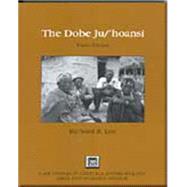
The Dobe Ju/'Hoansi

ISBN: 9780155063334 | 0155063332
Edition: 3rd
Format: Paperback
Publisher: Wadsworth Publishing
Pub. Date: 2/4/2002

Why Rent from Knetbooks?

Because Knetbooks knows college students. Our rental program is designed to save you time and money. Whether you need a textbook for a semester, quarter or even a summer session, we have an option for you. Simply select a rental period, enter your information and your book will be on its way!

Top 5 reasons to order all your textbooks from Knetbooks:

  • We have the lowest prices on thousands of popular textbooks
  • Free shipping both ways on ALL orders
  • Most orders ship within 48 hours
  • Need your book longer than expected? Extending your rental is simple
  • Our customer support team is always here to help
SummaryTable of Contents
This classic, bestselling study of the !Kung San, foragers of the Dobe area of the Kalahari Desert describes a people's reactions to the forces of modernization, detailing relatively recent changes to !Kung rituals, beliefs, social structure, marriage and kinship system. It documents their determination to take hold of their own destiny?despite exploitation of their habitat and relentless development?to assert their political rights and revitalize their communities. Use of the name Ju/'hoansi (meaning "real people") acknowledges their new sense... MORE
Forewordiii
Preface to the Third Editionvii
Preface to the Second Editionviii
Preface to the First Editionxi
A Note on the Ju Languagexii
Acknowledgments... MORExv
The Ju/'hoansi
1(8)
Introduction: A Voyage of Discovery
1(2)
A Waterhole Called Dobe
3(6)
The People of the Dobe Area
9(14)
Who Are the San?
11(1)
Studies of the Sun
11(3)
The Dobe Area
14(1)
Exploring the Dobe Area
14(4)
A History of Contract
18(5)
Environment and Settlement
23(14)
The Dune and Molapo System
24(2)
Water Sources
26(1)
Fauna
26(2)
Climate
28(4)
The Seasonal Round
29(3)
Settlement Patterns
32(4)
Village Types
32(1)
The Layout of the Camp
33(2)
Hut and Shelter Construction
35(1)
Ethnoarcheology
36(1)
Subsistence: Foraging for a Living
37(22)
Gathering and Carrying
40(8)
Carrying Devices
40(3)
Major and Minor Foods
43(3)
Food Classes and Subsistence Strategy
46(2)
Hunting
48(3)
Tools and Techniques
48(1)
The Joys of Tracking
49(2)
Insulting the Meat
51(2)
Work Effort and Caloric Returns
53(5)
The Quality and Quantity of the Diet
56(2)
Ju/hoansi Subsistence: Affluence or Anxiety?
58(1)
Kinship and Social Organization
59(18)
Ju/hoansi Giving Groups
60(4)
The Kinship System
64(10)
Kinship I
64(5)
Kinship II: Names and the Name Relationship
69(3)
Kinship III: The Principle of Wi
72(2)
/Tontah Meets /Tontah
74(3)
Marriage and Sexuality
77(14)
The Arrangement of Marriages
77(3)
The Marriage-by-Capture Ceremony
80(2)
Plural Marriage and Remarriage
82(3)
Intergroup Alliance and Conflict
85(1)
The ``Marriage'' of /Tontah
86(1)
Sexuality
87(2)
Male and Female Among the Ju/'hoansi
89(2)
Complaint Discourse: Aging and Caregiving among the Ju/'hoansi
91(18)
Introduction
91(3)
Aging and Social Change in Ju/'hoan Society
94(2)
Field Research on Aging: The 1986-1987 Project
96(2)
Complaint Discourse
98(1)
Narratives of Neglect and Abandonment
99(4)
Chu!Ko's Story
99(2)
Kasupe's Story
101(2)
Entitlement
103(1)
The Social Organization of Care
104(3)
Conclusion: The Paradox of Sharing and Complaining
107(1)
Future Prospects: How will ``Development'' affect Caregiving?
107(2)
Conflict, Politics, and Exchange
109(16)
Ownership and Leadership
109(2)
The Problem of the Headman
109(2)
A Fight about Adultery
111(1)
Laughter and Danger
112(3)
Deadly Combat: Ju/'hoan Style
115(3)
The End of the Fighting
118(1)
Hxaro Exchange
118(7)
Coping with Life: Religion, World View, and Healing
125(16)
The World of the //gangwasi
126(4)
High God-Low God
128(1)
How Ancestors Become Enemies
129(1)
N/um and the Giraffe Dance
130(5)
Becoming a Healer
133(2)
The Women's Drum Dance
135(2)
Three Medicines: One Blood
137(4)
The Ju/'hoansi and Their Neighbors
141(10)
Introducing the Herero and the Tswnna
141(2)
Ecological Change
143(2)
Work Relations
145(2)
Intermarriage
147(1)
Swara and the Sarwa
148(3)
Perceptions and Directions of Social Change
151(16)
Perceptions of the White Man
153(4)
Transition to Farming and Herding
157(2)
The Case of Debe and Bo
159(1)
Wage Work and Migrant Labor
159(3)
The First School
162(1)
Government and the Future
162(5)
The Ju/'hoansi Today
167(26)
Dobe: Three Decades of Change
168(1)
Life in the 1990s
169(5)
Nyae Nyae: A Struggle for Survival
174(2)
The Plastic Stone Age
176(1)
Independence and After
176(1)
The Nyae Nyae Foundation and the Farmers' Co-Op
177(1)
The Land Questions: A Victory for the Ju/'hoansi
178(3)
Ju/'hoansi at the Millennium: Progress and Poverty
181(8)
Small Victories
186(3)
Regional Developments: Mandela and After
189(1)
The Challenge of HIV/AIDS
190(3)
Anthropological Practice and Lessons of the Ju/'hoansi
193(8)
The Changing Image of the Ju/'hoansi
197(4)
Postscript: The /Gwihaba Dancers201(6)
Appendix A: Eating Christmas in the Kalahari207(6)
Appendix B: The Kalahari Debate: Ju/'hoan Images of the Colonial Encounter213(16)
Glossary of Ju/'hoan and Other Non-English Terms229(2)
Films of the Ju/'hoansi: An Annotated List231(4)
References Cited and Recommended Readings235(8)
Index243

Related Products


  • The Dobe Ju/'Hoansi
    The Dobe Ju/'Hoansi
  • The Dobe Ju/'Hoansi
    The Dobe Ju/'Hoansi


Please wait while this item is added to your cart...