Because Knetbooks knows college students. Our rental program is designed to save you time and money. Whether you need a textbook for a semester, quarter or even a summer session, we have an option for you. Simply select a rental period, enter your information and your book will be on its way!
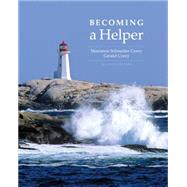
Ideal for anyone embarking on or considering a career in the helping professions, Becoming a Helper, Sixth Edition provides an overview of the stages of the helping process while teaching students the skills and knowledge they need to become successful helping professionals. Drawing on their years of experience, Corey and Corey focus on the struggles, anxieties, and uncertainties students often encounter on the road to becoming effective helpers.
In addition, the text emphasizes self-reflection on a number of professional issues and challenges readers to examine their motives for choosing a helping career. Finally, the authors help students decide if a career in the helping professions is right for them by asking them to take a candid look at the demands and strains they'll face in the helping professions.
Retail Description: {RET - P/R} Ideal for anyone embarking on or considering a career in the helping professions, Becoming a Helper, Sixth Edition provides an overview of the stages of the helping process while teaching readers the skills and knowledge they need to become successful helping professionals. Drawing on their years of experience, Corey and Corey focus on the struggles, anxieties, and uncertainties people often encounter on the road to becoming effective helpers.
This is an excellent book for anyone beginning or thinking of starting a career in counseling. The number one rule of counseling is that the counselor must know oneself. This book's purpose is to get the reader to reflect on oneself in a way that questions one's initial desire to counsel and how to counsel in a respectful way that does not place the counselor's values and beliefs upon the client.
Emphasizing self reflection, the authors challenge readers to examine their motives for choosing a helping career and encourage them to take a candid look at the demands and strains they'll face in the helping professions.
| Preface | p. xiii |
| Are the Helping Professions for You? | p. 1 |
| Focus Questions | p. 2 |
| Aim of the Chapter | p. 3 |
| Examining Your Motives for Becoming a Helper | p. 4 |
| Our Own Beginnings as Helpers | p. 8 |
| Is a Helping Career for You? | p. 12 |
| Portrait of the ôIdeal Helperö | p. 13 |
| Creating Meaning in Your Education | p. 15 |
| Selecting... MORE | p. 16 |
| Overview of Some of the Helping Professions | p. 19 |
| Values to Consider in Choosing Your Career Path | p. 26 |
| Suggestions for Creating Your Professional Journey | p. 27 |
| Self-Assessment: An Inventory of Your Attitudes and Beliefs About Helping | p. 29 |
| By Way of Review | p. 35 |
| What Will You Do Now? | p. 36 |
| Knowing Your Values | p. 39 |
| Focus Questions | p. 40 |
| Aim of the Chapter | p. 41 |
| The Role of Values in Helping | p. 41 |
| Exposing Versus Imposing Values | p. 42 |
| Dealing With Value Conflicts | p. 44 |
| Lesbian, Gay, and Bisexual Issues | p. 45 |
| Family Values | p. 48 |
| Gender-Role Identity Issues | p. 50 |
| Religious and Spiritual Values | p. 52 |
| Abortion | p. 56 |
| Sexuality | p. 57 |
| End-of-Life Decisions | p. 58 |
| By Way of Review | p. 62 |
| What Will You Do Now? | p. 63 |
| Helper, Know Thyself | p. 65 |
| Focus Questions | p. 66 |
| Aim of the Chapter | p. 67 |
| The Impact of Therapeutic Work on Your Personal Life | p. 68 |
| The Value of Self-Exploration for the Helper | p. 69 |
| Using Individual and Group Counseling for Self-Understanding | p. 70 |
| Working With Your Family of Origin | p. 72 |
| Understanding Life Transitions | p. 83 |
| By Way of Review | p. 93 |
| What Will You Do Now? | p. 94 |
| Common Concerns of Beginning Helpers | p. 97 |
| Focus Questions | p. 98 |
| Aim of the Chapter | p. 99 |
| Exploring Self-Doubts and Fears | p. 99 |
| Transference and Countertransference | p. 101 |
| Understanding and Dealing With Difficult Clients | p. 109 |
| Recognizing Competence and Learning to Refer | p. 119 |
| By Way of Review | p. 121 |
| What Will You Do Now? | p. 122 |
| The Helping Process | p. 124 |
| Focus Questions | p. 125 |
| Aim of the Chapter | p. 126 |
| Your View of the Helping Process | p. 126 |
| Our Beliefs About the Helping Process | p. 129 |
| The Impact of Managed Care on the Helping Process | p. 130 |
| The Stages of the Helping Process | p. 131 |
| By Way of Review | p. 153 |
| What Will You Do Now? | p. 153 |
| Theory Applied to Practice | p. 155 |
| Focus Questions | p. 156 |
| Aim of the Chapter | p. 157 |
| Theory as a Roadmap | p. 157 |
| Our Theoretical Orientation | p. 158 |
| Psychodynamic Approaches | p. 160 |
| Experiential and Relationship-Oriented Approaches | p. 163 |
| Cognitive-Behavioral Approaches | p. 168 |
| Postmodern Approaches | p. 174 |
| Family Systems Perspective | p. 177 |
| An Integrative Approach to the Helping Process | p. 181 |
| By Way of Review | p. 182 |
| What Will You Do Now? | p. 183 |
| Understanding Diversity | p. 184 |
| Focus Questions | p. 185 |
| Aim of the Chapter | p. 186 |
| A Multicultural Perspective on Helping | p. 186 |
| Ethical Dimensions in Multicultural Practice | p. 188 |
| Overcoming Cultural Tunnel Vision | p. 190 |
| Western and Eastern Values | p. 191 |
| Examining Your Cultural Assumptions | p. 196 |
| Understanding People With Disabilities | p. 200 |
| Multicultural Counseling Competencies | p. 205 |
| Social Justice Competencies | p. 209 |
| By Way of Review | p. 213 |
| What Will You Do Now? | p. 214 |
| Ethical and Legal Issues Facing Helpers | p. 217 |
| Focus Questions | p. 218 |
| Aim of the Chapter | p. 219 |
| Inventory of Ethical Issues | p. 219 |
| Ethical Decision Making | p. 220 |
| Informed Consent | p. 230 |
| Confidentiality and Privacy | p. 232 |
| Documentation and Keeping Records | p. 242 |
| Ethical Issues in a Managed Care Environment | p. 243 |
| Malpractice and Risk Management | p. 246 |
| A Word of Caution | p. 250 |
| By Way of Review | p. 250 |
| What Will You Do Now? | p. 252 |
| Managing Boundary Issues | p. 254 |
| Focus Questions | p. 255 |
| Aim of the Chapter | p. 256 |
| Self-Inventory on Managing Boundaries | p. 256 |
| Multiple Relationships and the Codes of Ethics | p. 257 |
| The Multiple Relationship Controversy | p. 259 |
| Establishing Personal and Professional Boundaries | p. 262 |
| Combining Professional and Personal Relationships | p. 265 |
| Dealing With Sexual Attractions | p. 272 |
| Sexual Relationships With Current Clients | p. 275 |
| Sexual Relationships With Former Clients | p. 276 |
| By Way of Review | p. 277 |
| What Will You Do Now? | p. 278 |
| Getting the Most From Your Fieldwork and Supervision | p. 281 |
| Focus Questions | p. 282 |
| Aim of the Chapter | p. 283 |
| Making the Most of Your Fieldwork | p. 283 |
| Profiting From Your Supervision | p. 289 |
| Multiple Roles and Relationships in Supervision | p. 300 |
| By Way of Review | p. 302 |
| What Will You Do Now? | p. 302 |
| Stress, Burnout, and Self-Care | p. 304 |
| Focus Questions | p. 305 |
| Aim of the Chapter | p. 306 |
| Individual Sources of Stress for Helpers | p. 306 |
| Cognitive Approaches to Stress Management | p. 307 |
| Environmental Sources of Stress for Helpers | p. 312 |
| Stress in an Agency Environment | p. 313 |
| Understanding Stress and Burnout | p. 316 |
| The Impaired Professional | p. 321 |
| Monitor Yourself to Prevent Burnout | p. 322 |
| Staying Alive Personally and Professionally | p. 324 |
| By Way of Review | p. 328 |
| What Will You Do Now? | p. 328 |
| Working With Groups | p. 331 |
| Focus Questions | p. 332 |
| Aim of the Chapter | p. 333 |
| Group Work as the Treatment of Choice | p. 333 |
| The Value of Group Work | p. 334 |
| The Various Types of Groups | p. 335 |
| The Stages of a Group and Tasks of Group Leaders | p. 337 |
| Developing Skills as a Group Leader | p. 339 |
| The Ethical and Professional Group Leader | p. 341 |
| Working With Co-Leaders | p. 343 |
| Consider a Group Experience for Yourself | p. 345 |
| Teaching Group Members How to Get the Most From a Group Experience | p. 346 |
| By Way of Review | p. 348 |
| What Will You Do Now? | p. 349 |
| Working in the Community | p. 351 |
| Focus Questions | p. 352 |
| Aim of the Chapter | p. 353 |
| The Scope of the Community Approach | p. 354 |
| Multiple Roles of Community Workers | p. 355 |
| Community Intervention | p. 359 |
| Outreach | p. 360 |
| Educating the Community | p. 361 |
| Influencing Policymakers | p. 362 |
| Mobilizing Community Resources | p. 363 |
| Social Activism and Making a Difference | p. 366 |
| Crisis Intervention in the Community | p. 367 |
| By Way of Review | p. 371 |
| What Will You Do Now? | p. 372 |
| Concluding Comments | p. 373 |
| References | p. 375 |
| Name Index | p. 395 |
| Subject Index | p. 401 |
| Table of Contents provided by Ingram. All Rights Reserved. |