FREE SHIPPING BOTH WAYS
ON EVERY ORDER!
LIST PRICE:
$106.00

OUR PRICE:
$83.95

You may extend rentals at any time.


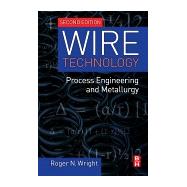
Wire Technology : Process Engineering and Metallurgy

ISBN: 9780123820921 | 0123820928
Format: Hardcover
Publisher: Butterworth-Heinemann
Pub. Date: 11/3/2010

Why Rent from Knetbooks?

Because Knetbooks knows college students. Our rental program is designed to save you time and money. Whether you need a textbook for a semester, quarter or even a summer session, we have an option for you. Simply select a rental period, enter your information and your book will be on its way!

Top 5 reasons to order all your textbooks from Knetbooks:

  • We have the lowest prices on thousands of popular textbooks
  • Free shipping both ways on ALL orders
  • Most orders ship within 48 hours
  • Need your book longer than expected? Extending your rental is simple
  • Our customer support team is always here to help
SummaryTable of Contents
Wire drawing is a metalworking process used to reduce the diameter of a wire by pulling the wire through a single, or series of, drawing die(s). The engineering applications of wire drawing are broad and far-reaching, including electrical wiring, cables, tension-loaded structural components, springs, paper clips and spokes for wheels.This all-new, classical text is the first to explain the complex theory and sophisticated engineering concepts with relation to wire drawing in an accessible and universal way for practicing engineers.Designed to facilitate the entry and training of new engineers and upgrade the professional practice of those already in the field in the face of increased product demands and tightening specifications, this essential resource by industry expert Roger Wright provides: A technical overview and introduction of engineering concepts related to wire drawing, suitable for beginners and practiced engineers looking to brush up on the theory behind the process An interface with basic engineering education so as to provide an accessible introduction for engineers new to the field Real-world worked examples, problems and protocols based on true life engineering scenarios and challenges Unique coverage of the author's own pass design and risk prediction calculations, developed through decades of research and wire industry consultingWhilst most competing titles are less practical in their approach and focus on either ferrous, non-ferrous or electrical, our book takes a universal approach more suited to the practicing engineer who needs knowledge of wire drawing across the board. Ideal for use as a complete insight into the process from start to finish or a dip-in resource for practical problem-solving, this versatile work-a-day guide, training tool and desk reference will help readers train their staff and adapt and improve processes at minimal cost for maximum performance. Provides a unique universal approach, covering ferrous and non-ferrous metals Authored by an internationally-recognized specialist in wire drawing with extensive academic and industry experience Real-world worked examples, problems and protocols based on true life engineering scenarios and challenges allow engineers to easily apply the theory to their workplace to improve processes, productivity and efficiency Compact, concise and practical in comparison to the large, competing handbook tomes that are overwhelming for beginners and impractical for day-to-day work use Ideal for use as a complete insight into the process from start to finish or as a dip-in resource for practical problem-solving, analysis and trouble-shooting
Prefacep. xiii
About the Authorp. xv
The General Ideap. 1
Conceptsp. 1
How Does Drawing Work?p. 2
Questions and Problemsp. 5
A Brief History of Technologyp. 7
Ancient and Early Technologyp. 7
The Nineteenth Centuryp. 9
The Twentieth Centuryp. 10
Further Readingp. 11... MORE
Questions and Problemsp. 11
Twentieth Century Equipment Conceptsp. 13
Overviewp. 13
Benchesp. 13
Blocksp. 14
Multiple-die Machinesp. 15
Other in-line Processesp. 17
Questions and Problemsp. 17
Basic Engineering Variables Pertinent to Drawingp. 19
General Quantitiesp. 19
Quantities Describing the Workpiece and Die During Drawingp. 23
Questions and Problemsp. 26
Basic Drawing Mechanicsp. 29
A Simple Drawing Stress Modelp. 29
Drawing Limitsp. 33
An Illustrative Calculationp. 34
The Issue of Optimum Die Angles and ¿ Valuesp. 34
Die Pressurep. 35
Centerline Tensionp. 37
Plastic Flow Outside the Drawing Conep. 38
Effects of Back Tensionp. 40
Questions and Problemsp. 41
Drawing Temperaturep. 43
Contributions to the Drawing Temperaturep. 43
Temperature Measurementp. 49
Interpass Coolingp. 50
Practical Examples of Drawing Temperature Effectsp. 50
Questions and Problemsp. 56
Drawing Speedp. 57
Definition and Basic Formulasp. 57
The Role of Drawing Speed in Analysisp. 58
The Effect of Drawing Speed on Lubricationp. 60
Some Practical Issuesp. 61
Questions and Problemsp. 62
Friction, Lubrication, and Surface Qualityp. 65
Modes of Lubrication and Related Friction Responsep. 65
Physical Conditions in the Lubricant Layerp. 71
Quantifying the Friction Stressp. 74
Drawing With High Frictionp. 75
Redraw Stock Surface Conditioning Issuesp. 75
Characterization With Microscopyp. 76
Illustrations of Microscopic Characterization and Analysisp. 77
The Development of Chevrons (Crow's Feet)p. 82
Questions and Problemsp. 88
Drawing Die and Pass Schedule Designp. 89
General Aspects and The Role Of ¿p. 90
Common Die Materialsp. 94
Other Elements of Die Designp. 99
Pressure Diesp. 101
Die Wear and Die Lifep. 102
Pass Schedule Conceptsp. 104
Drawing Practice and Cast and Pitch Controlp. 109
Questions and Problemsp. 110
Shaped Dies and Roller Diesp. 113
Drawing Shapes with One-Piece Diesp. 113
Drawing with Unpowered Roller Die Systemsp. 118
ôDrawingö with Powered Roller Die Systemsp. 121
Roll Gap Issuesp. 123
Questions and Problemsp. 124
Mechanical Properties of Wire and Related Testingp. 127
The Flow Stress of the Wirep. 128
The Tensile Testp. 130
The Crystal Plasticity Basis for the Flow Curvep. 138
Other Mechanical Testsp. 144
Hardness Testsp. 144
Compression Testsp. 145
Bending Testsp. 148
Torsion Testsp. 149
Creep Testingp. 151
Fatigue Testingp. 153
Springback Testingp. 153
Questions and Problemsp. 154
Drawability and Breaksp. 157
Practical Definitionsp. 157
Measuring and Estimating Drawabilityp. 158
Categorizing Drawing Breaksp. 164
Mechanics of Drawing Breaksp. 167
The Generation of ôFinesöp. 171
Questions and Problemsp. 173
Relevant Aspects of Copper and Copper Alloy Metallurgyp. 175
Important Properties of Copperp. 176
Primary Processingp. 176
Crystal Structure, Grains, Texture, Anisotropy, and Springbackp. 180
Flow Stress, Cold Working, and Annealingp. 182
Solid Solutions and Phasesp. 185
Factors Affecting Conductivity/Resistivityp. 187
Dilute Copper Alloysp. 188
High Alloy Systemsp. 192
Beryllium Copper, A Precipitation Strengthening (Hardening) Alloyp. 195
Questions and Problemsp. 197
Relevant Aspects of Carbon and Low Alloy Steel Metallurgyp. 199
Important Properties of Steelp. 200
Primary Processingp. 200
The Iron-Iron Carbide Phase Diagramp. 204
Austenite Decompositionp. 207
Structure-Mechanical Property Relationsp. 209
Transformation Diagramsp. 210
Flow Stress, Cold Working, and Annealingp. 215
Aging in Steelp. 217
Carbon Steel Compositionsp. 225
Low Alloy Steel Compositionsp. 226
Questions and Problemsp. 227
Other Metallurgical Systems for Wire Technologyp. 229
Aluminum and its alloysp. 229
Austenitic Stainless Steelsp. 234
Tool Steelsp. 237
Nickel and Nickel Alloysp. 240
Questions and Problemsp. 242
Wire Coatingsp. 245
Reasons for Coating Wirep. 245
Coating Types and Coating Processesp. 245
Enamels and Enamelingp. 246
Extrusionp. 247
Hot Dippingp. 249
Electro-Coatingp. 249
Other Coating Technologiesp. 251
Zinc Alloy Coating of Steel - A Detailed Illustration and Analysisp. 251
Composite Mechanical Properties of Coated Wirep. 253
Questions and Problemsp. 256
Redraw Rod Productionp. 257
The Rod Rolling Processp. 257
The Oval/Round Sequencep. 259
Other Geometrical Sequencesp. 263
Some Process Correction Contextsp. 264
Questions and Problemsp. 265
Wire Formingp. 267
Scopep. 267
Bendingp. 267
Twistingp. 269
Stretchingp. 271
Upsettingp. 271
Swagingp. 272
Cold Extrusionp. 276
Questions and Problemsp. 278
Physical Propertiesp. 279
Scopep. 279
Densityp. 279
Melting Points and Rangesp. 280
Specific Heatp. 281
Thermal Conductivityp. 281
Electrical Resistivityp. 282
Current and Near-Term Developmentsp. 285
Scopep. 285
Drawing Machinesp. 286
Long-Life Dies For Ferrous Drawingp. 288
Measurement and Instrumentationp. 289
Annealing
Payoff and Take-Up Systemsp. 292
List of Symbolsp. 297
Referencesp. 303
Selected Formulasp. 309
Indexp. 311
Table of Contents provided by Ingram. All Rights Reserved.


Please wait while this item is added to your cart...