FREE SHIPPING BOTH WAYS
ON EVERY ORDER!
LIST PRICE:
$36.99

OUR PRICE:
$10.62

You may extend rentals at any time.


Seven Strategies of Assessment for Learning
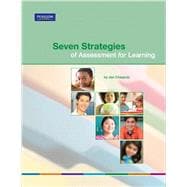
ISBN: 9780132548755 | 0132548755
Edition: 1st
Format: Paperback
Publisher: Pearson
Pub. Date: 3/1/2009

Why Rent from Knetbooks?

Because Knetbooks knows college students. Our rental program is designed to save you time and money. Whether you need a textbook for a semester, quarter or even a summer session, we have an option for you. Simply select a rental period, enter your information and your book will be on its way!

Top 5 reasons to order all your textbooks from Knetbooks:

  • We have the lowest prices on thousands of popular textbooks
  • Free shipping both ways on ALL orders
  • Most orders ship within 48 hours
  • Need your book longer than expected? Extending your rental is simple
  • Our customer support team is always here to help
SummaryTable of ContentsAuthor Biography
This practical new book from Pearson Assessment Training Institute organizes research-based recommendations about classroom assessment practices around three formative assessment questions: #x1C;Where am I going?#x1D;; #x1C;Where am I now?#x1D;; and #x1C;How can I close the gap?#x1D; The framework is sequenced so that you can easily weave assessment for learning practices into daily teaching and assessment activities. #xA0; The Seven Strategies are organized around the three big questions: Where Am I Going? Strategy 1: Provide a clear and under... MORE
Table of Contents


CHAPTER 1: Formative Assessment and Assessment for Learning........................................1

What Is Formative Assessment?..............................................................................................................4

Summative Assessment......... MORE

Formative or Summative?.................................................................................................................6

What Gives Formative Assessment Its Power?......................................................................................7

Formative Assessment in Teachers’ Hands......................................................................................9

Formative Assessment in Students’ Hands....................................................................................10

Seven Strategies of Assessment for Learning......................................................................................11

Where Am I Going?.........................................................................................................................11

Where Am I Now?...........................................................................................................................12

How Can I Close the Gap?...............................................................................................................13

Conclusion ............................................................................................................................................14

The Chapters Ahead.............................................................................................................................14


CHAPTER 2: Where Am I Going? Clear Targets.......................................................................15

Strategy 1: Provide students with a clear and understandable vision of the learning target............22

Converting Knowledge and Reasoning Learning Targets to

Student-friendly Language....................................................................................................................22

Defining Quality for Reasoning, Performance Skill, and Product Learning Targets....................28

When to Share the Learning Target................................................................................................41

Checking for Understanding of the Intended Learning.................................................................41

Strategy 2: Use examples and models of strong and weak work.........................................................42

Knowledge and Reasoning Learning Targets: Selected Response Items......................................42

Reasoning, Performance Skill, and Product Learning Targets:

Performance Assessment Methodology..........................................................................................43

Examples of Strategies 1 and 2 with Elementary Students.................................................................46

Inference Scenario..........................................................................................................................47

Conclusion.............................................................................................................................................51


CHAPTER 3: Where Am I Now? Effective Feedback .............................................................53

Characteristics of Effective Feedback .................................................................................................56

1. Effective feedback directs attention to the intended learning.................................................57

2. Effective feedback occurs during learning.................................................................................68

Other Feedback Variables to Consider.................................................................................................69

3. Effective feedback addresses partial understanding.................................................................70

4. Effective feedback does not do the thinking for the student....................................................72

5. Effective feedback limits correctives to what students can act on...........................................74

Suggestions for Offering Feedback.......................................................................................................75

Picture or Symbol Cues...................................................................................................................75

Assessment Dialogues.....................................................................................................................78

Peer Feedback.......................................................................................................................................83

Scaffolding a Peer Feedback Conference.......................................................................................84

Peer Response Groups....................................................................................................................87

Conclusion.............................................................................................................................................92


CHAPTER 4: Where Am I Now? Self-assessment and Goal Setting......................................93

Impact of Self-assessment on Student Achievement...........................................................................96

Three Parts: Self-assessment, Justification, and Goal Setting.............................................................99

Quick Self-assessment Ideas.................................................................................................................99

Self-assessment and Goal Setting with Selected Response and

Constructed Response Tasks...............................................................................................................103

Before: Targeting the Learning.....................................................................................................103

During: Self-assessment While Completing an Assignment, Quiz, or Test ...............................109

After: Self-assessment and Goal Setting Using the Results of a Formative Quiz or Test..........111

Self-assessment and Goal Setting with Performance Assessment Rubrics......................................117

Prerequisites.................................................................................................................................117

Ways to Format Rubric Text.........................................................................................................118

Using the Rubric Itself...................................................................................................................119

Goal Setting.........................................................................................................................................123

Helping Students Set Specific, Challenging Goals.......................................................................124

The Goal-setting Conference........................................................................................................126

Conclusion...........................................................................................................................................127


CHAPTER 5: How Can I Close the Gap? Focused Teaching and Revision.........................129

Scaffolding with Selected Response and Short Constructed Response Items.................................132

Identifying and Using Typical Misconceptions and Reasoning Errors .......................................132

Multiple-choice Items as Teaching Tools......................................................................................134

Using Graphic Organizers as Teaching Tools...............................................................................139

Scaffolding with Performance Assessment Tasks and Rubrics.........................................................141

Creating Focused Tasks.................................................................................................................141

Practicing One Criterion at a Time...............................................................................................145

Conclusion ..........................................................................................................................................146


CHAPTER 6: How Can I Close the Gap? Tracking, Reflecting On, and

Sharing Learning........................................................................................................................149

Students Keeping Track of Their Learning........................................................................................152

Recording Progress.......................................................................................................................152

Keeping Learning Journals............................................................................................................153

Collecting Samples of Work...........................................................................................................156

Students Reflecting on Their Learning...............................................................................................159

Reflecting on Growth.....................................................................................................................159

Reflecting on a Project..................................................................................................................162

Reflecting on Achievement...........................................................................................................164

Students Reflecting on Themselves as Learners..........................................................................165

Students Sharing Their Learning .......................................................................................................167

Writing to Others..........................................................................................................................167

Participating in Conferences.........................................................................................................169

Conclusion ..........................................................................................................................................174


Closing Thoughts................................................................................................................................174


Appendix A: Student-friendly Scoring Rubrics......................................................................175


Appendix B: Reproducible Forms...........................................................................................199


Bibliography ...............................................................................................................................255

Prior to joining ATI, Jan Chappuis was a curriculum and assessment specialist responsible for professional development and school improvement. Her background as an elementary and secondary teacher, combined with her assessment expertise and professional development experience, enables Jan to provide teachers and school leaders with practical solutions for motivating students and involving them in their own academic success. Her most recent publication, Seven Strategies of Assessment for Learning, helps teachers adopt formative assessment practices shown to improve learning.

Related Products


  • Seven Strategies of Assessment for Learning
    Seven Strategies of Assessment...


Please wait while this item is added to your cart...