FREE SHIPPING BOTH WAYS
ON EVERY ORDER!
LIST PRICE:
$60.00

OUR PRICE:
$47.52

You may extend rentals at any time.


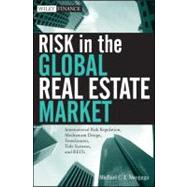
Risk in the Global Real Estate Market : International Risk Regulation, Mechanism Design, Forecl...

ISBN: 9781118011355 | 111801135X
Edition: 1st
Format: Hardcover
Publisher: Wiley
Pub. Date: 2/28/2012

Why Rent from Knetbooks?

Because Knetbooks knows college students. Our rental program is designed to save you time and money. Whether you need a textbook for a semester, quarter or even a summer session, we have an option for you. Simply select a rental period, enter your information and your book will be on its way!

Top 5 reasons to order all your textbooks from Knetbooks:

  • We have the lowest prices on thousands of popular textbooks
  • Free shipping both ways on ALL orders
  • Most orders ship within 48 hours
  • Need your book longer than expected? Extending your rental is simple
  • Our customer support team is always here to help
SummaryTable of ContentsAuthor Biography
The foreclosure processes are typically defines by state statutes and the state's rules of civil procedure - these un-constitutional statutes and processes affect housing prices and the demand for housing and commercial real estate. Similarly, some elements of mortgage laws in the US are un-constitutional and hve adverse effects on property markets. Constitutional torts and property rights have become a major foundation for economic growth and transactions. The un-constitutionality of foreclosure processes, mortgages and land titles has signifi... MORE
... MORE
Prefacep. xvii
Regulation and Constitutional Tortsp. 1
Federalism, Preemption, and Riskp. 2
The Restoring American Financial Stability Act of 2010 (RAFSA)p. 6
The Existing "Tests" for Unconstitutionalityp. 6
Quasi Constitutionsp. 10
Social Capitalp. 10
Referencesp. 11
A Critique of Mechanism Designp. 13
Conclusionp. 16
Referencep. 16
General Public Health and Social Psychology Issues in Global Housing Markets and Mortgage Marketsp. 17
Survey of Public Health Problems Caused by Traditional Mortgages and Foreclosuresp. 18
Conclusionp. 32
Referencesp. 32
Public Health Issues: Psychological Factors Inherent in Housing Demand, Mortgage Demand, and House Pricesp. 37
Proposition 1: Credit Biasp. 44
Proposition 2: The S&L Crisis Effectp. 44
Proposition 3: Tenure Biasp. 45
Proposition 4: Low Willingness to Accept Losses (WTAL)p. 46
Proposition 5: Investment Horizon Effectp. 46
Proposition 6: The Deferred-Disutility/Deferred Pain Biasp. 47
Proposition 7: The Lender-Experience Effectp. 48
Proposition 8: The Government Intervention Effectp. 49
Proposition 9: The Multiple-Listing-Service (MLS) Effectp. 50
Proposition 10: Psychological Limitations on Supply of Housing Unitsp. 50
Validity of Housing Demand Modelsp. 52
Conclusionp. 53
Referencesp. 53
Behavioral Biases in Property Taxation and Property Appraisalp. 59
Biases in Property Taxationp. 60
Psychological Effects and Biases Inherent in Property Appraisalp. 64
Conclusionp. 76
Referencesp. 77
Foreclosure Statutes and Processesp. 83
Foreclosures Reduce the Efficiency of Monetary Policies and Fiscal Policiesp. 83
Some Adverse Contagion Effects of Foreclosuresp. 84
The Statutory Ban of Waiver of Judicial Foreclosure in Conveyancing Documents and the Omission of Nonjudicial Foreclosure from States' Laws Are Unconstitutionalp. 85
The Borrower's Post-Foreclosure Right of Redemption Is Unconstitutionalp. 93
The Unconstitutionality of Preemptive Foreclosure Rulesp. 98
Enforcement of Core Foreclosure Processes and the Failure to Enact Uniform Federal Foreclosure and Mortgage Statutes Constitute Violations of the U.S. Constitutionp. 103
Alternative Foreclosure Systemsp. 109
New Theories of Takingsp. 109
Conclusionp. 112
Referencesp. 112
Unconstitutionality of U.S. Bankruptcy Code, Preemption of State-Law Mortgage Foreclosure Statutes, and Related Economic Effectsp. 115
Existing Literaturep. 116
Survey of Macroeconomic Effects of Bankruptcy Codesp. 118
The Financial Accelerator Theory Is Inaccuratep. 126
Criteria for Preemption: Equitable Subordination, Fraudulent Transfers (the "Reasonably Equivalent Value" Doctrine), the Deprizio Controversy, and the Bankruptcy Abuse Prevention and Consumer Protection Act of 2005p. 127
The U.S. Supreme Court's Standards for Preemption Casesp. 132
New Standards for Preemption Casesp. 135
Constitutional Law Issuesp. 139
Due Process Rightsp. 140
The Separation-of-Powers Doctrinep. 144
A New Theory of Takingsp. 144
Conclusionp. 145
Notep. 146
Referencesp. 147
Mortgages and Deeds of Trustp. 151
Improper Coupling/Combinations of Mortgage Markets, Rental Markets, Savings/Investment Markets, and Property-Value Marketsp. 152
Mortgages Cause Fraud and Misallocation of Riskp. 153
Traditional and Alternative Mortgages Are Inefficient and Create Wrong Incentivesp. 154
Mortgages Reduce the Efficiency of Monetary Transmissionp. 155
The Mortgage Wealth Illusion: Inefficient Household Allocations and Reduction of the Marginal Propensity to Savep. 160
Traditional and Alternative Western Mortgages Reduce Socioeconomic Flexibility that Substantially Affects Psychological Well-Beingp. 161
Traditional and Alternative Mortgages Distort the Marriage Marketp. 162
Traditional Western Mortgages and Alternative Mortgages Distort the Job Marketp. 163
The Statutory or Common Law Prohibition of Prepayment Penalty/Yield Maintenance or Limitations on Prepayment Penalty on Default Are Unconstitutionalp. 165
The Lack of Definition of the "Future Advances" Clause in Mortgages Constitutes a Violation of the U.S. Constitutionp. 172
The Government's Failure to Enact Statutes that Define the Qualifications/Characteristics of a First Mortgageep. 173
The Lender's Right to Receive Proceeds of Insurance and Condemnation (Arising from Real Estate) Is Not Codifiedp. 176
Anti-Deficiency Statutes Are Unconstitutional and the Lender's Right to Deficiency Judgment Must Remain Enforceablep. 180
New Theories of Takingsp. 190
Conclusionp. 191
Notesp. 192
Referencesp. 192
Subprime Lending Is Unconstitutionalp. 197
The State-Action Requirement: The Substitution Theory and Failure-to-Act as State Actionp. 198
Subprime Lending Is Unconstitutionalp. 198
Conclusionp. 201
Notep. 201
Referencesp. 202
Constitutionality of Real Property Title Systemsp. 205
The Recording System and the Registration/Torrens System Are Unconstitutionalp. 205
The Uniform Commercial Code (UCC), Title Systems, and Conflict of Lawsp. 213
Conclusionp. 217
Referencesp. 218
Constitutionality of Real Estate Investment Trustsp. 219
The REIT Ownership-Concentration Rules Are Unconstitutionalp. 227
The Regulation of REITs by U.S. States Constitutes Violations of the U.S. Constitutionp. 233
The Entire REIT-Qualification Statutes (IRC Section-856, RMA, and AJCA REIT-Qualification Rules) Are Unconstitutionalp. 235
The Mandatory REIT Dividend Payout Rule Violates the U.S. Constitutionp. 242
The Government's Failure to Regulate Management Agreements of REITs Constitutes a Violation of the Equal Protection Clause of the U.S. Constitutionp. 245
REITs Are Unconstitutional Because They Result in Illegal Misconductp. 246
A New Theory of Takingsp. 246
Conclusionp. 247
Referencesp. 247
Asset Securitization Is Unconstitutional and Should Be Bannedp. 249
Securitization Dampens Monetary Transmission and Provides Wrong Incentives for Banks and Sponsorsp. 250
Securitization Increases Transaction Costs, Systemic Risk, Inflation, and Hedging Costsp. 257
Securitization Constitutes a Violation of the Commerce Clause of the U.S. Constitutionp. 260
Securitization Constitutes a Violation of the Free Speech Clausep. 261
Securitization Constitutes a Violation of the Right-to-Contract Clause of the U.S. Constitution and Is Illegalp. 262
Securitization Constitutes a Violation of the Equal Protection Clausep. 263
Securitization Constitutes a Violation of the Separation of Powers Doctrinep. 264
The Elements of Required New Regulationsp. 265
The Implications of Changep. 267
Conclusionp. 269
Referencesp. 270
Recommendations for the Development of a Mortgage and Mortgage-Alternatives Market in the CIS Region, the CEE (Central and Eastern Europe) Region, and Chinap. 271
Surveys and Needs Assessmentp. 277
Coordination among Institutions in CIS/CEE Countries and Chinap. 278
Establishment of Mortgage and Real Estate Research Networks (Institutes)p. 279
The Mortgage-Alternatives Fundsp. 280
Legal Infrastructurep. 281
Credit Ratings Systemsp. 293
Taxationp. 298
Pension Reformp. 300
Accounting and Transparency/Disclosurep. 300
Central Banksp. 301
Mortgage Insurancep. 302
Home-Equity Mortgagesp. 303
Primary Mortgage Marketsp. 304
Creation of Secondary Mortgage-Alternatives Marketsp. 307
Statutory Ban of Traditional "Western" Securitizationp. 308
Alternatives to Foreclosurep. 308
The Price-Discovery Process and Viability of Mortgage-Alternatives Marketsp. 309
Monitoring Alternatives to Primary and Secondary Mortgage-Alternatives Marketsp. 311
Incentives for Banks and Financial Institutionsp. 314
Incentives for Borrowers/Buyers to Use Mortgage Alternativesp. 315
Risk-Management and Risk-Transfer Systemsp. 315
Referencesp. 316
Asset-Liability Matching Is a Hindrance to Lendingp. 323
Errors in the Formulas for Duration, Modified Duration (MD), and Convexityp. 324
Default/Bankruptcy Risk and Illiquidityp. 330
Existing Liquidity Derivatives (Swaps and Options) Are Inaccurate and Inefficientp. 337
Possible Solutions to the Perceived ALM Problemp. 339
Constitutionality of Central Bank Restrictions on Daily Cash Withdrawals by Customersp. 341
Conclusionp. 344
Referencesp. 344
New Mortgage-Alternative Products for Primary Mortgage Markets in China and CIS/CEE Countriesp. 349
The Adjustable Balance Mortgagep. 351
The Continuous Workout Mortgage, Shared Appreciation Mortgages (SAMs), Shared Income Mortgages (SIMs), and Shared Equity Mortgages (SEMs)p. 353
Traditional Alternative Mortgagesp. 354
Indexed Mortgagesp. 356
Islamic Finance Productsp. 357
Cooperative Mortgagesp. 359
The Pricing of Mortgages and Behavioral Finance-Most Models Are Inaccuratep. 359
Distortion of Economic Data and National Accountingp. 363
Banks/Lenders as Seller-Lenders (Installment Sales Contracts and Installment Land Contracts); and Banks as Real Estate Brokersp. 364
Renegotiation and Sequential Investmentsp. 368
Recursion of Mortgages and the Perception of Defaults as Low-Probability Eventsp. 372
Characterization of the New Mortgage-Alternative Productsp. 374
The New Mortgage-Alternative Productsp. 381
Conclusionp. 410
Notesp. 410
Referencesp. 411
Conclusionp. 419
Referencesp. 421
About the Authorp. 423
Indexp. 425
Table of Contents provided by Ingram. All Rights Reserved.
MICHAEL C. I. NWOGUGU is an author and entrepreneur based in New Jersey; and is  affiliated with two companies. Mr. Nwogugu has been a co-founder of several new ventures in the technology/Internet, business services, and healthcare sectors. He has reviewed articles for the European Journal of Operational Research and the American Statistician and has written and published articles on real estate, constitutional economics, and finance in international refereed journals such as Managerial Auditing Journal; International Company and Commercial Law Review; Journal of Derivatives & Hedge Funds; Applied Mathematics and Computation; Journal of International Banking Law and Regulation; Computer and Telecommunications Law Review; Journal of Risk Finance; Corporate Ownership & Control; International Journal of Mathematics, Game Theory, and Algebra; and Chaos and Complexity Letters. Mr. Nwogugu earned a graduate degree in business from Columbia University in New York City; and degrees in architecture from City University Of New York, and University Of Nigeria (Nigeria).


Please wait while this item is added to your cart...