FREE SHIPPING BOTH WAYS
ON EVERY ORDER!
LIST PRICE:
$44.95

OUR PRICE:
$17.80

You may extend rentals at any time.


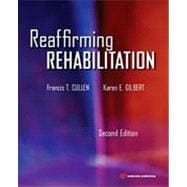
Reaffirming Rehabilitation: 30th Anniversary Edition

ISBN: 9781455731305 | 1455731307
Edition: 2nd
Format: Paperback
Publisher: ELSEVIER SCIENCE
Pub. Date: 11/1/2012

Why Rent from Knetbooks?

Because Knetbooks knows college students. Our rental program is designed to save you time and money. Whether you need a textbook for a semester, quarter or even a summer session, we have an option for you. Simply select a rental period, enter your information and your book will be on its way!

Top 5 reasons to order all your textbooks from Knetbooks:

  • We have the lowest prices on thousands of popular textbooks
  • Free shipping both ways on ALL orders
  • Most orders ship within 48 hours
  • Need your book longer than expected? Extending your rental is simple
  • Our customer support team is always here to help
SummaryTable of ContentsAuthor Biography
Reaffirming Rehabilitation, 2nd Edition, brings fresh insights to one of the core works of criminal justice literature. This groundbreaking work analyzes the rehabilitative ideal within the American correctional system and discusses its relationship to and conflict with political ideologies. Many researchers and policymakers rejected the value of rehabilitation after Robert Martinson's proclamation that "nothing works." Cullen and Gilbert's book helped stem the tide of negativism that engulfed the U.S. correctional system in the years that followed the popularization of the "nothing works" doctrine. Now Cullen traces the social impact on U.S. corrections policy. This new edition is appropriate as a textbook in corrections courses and as recommended reading in related courses. It also serves as a resource for researchers and policymakers working in the field of corrections. The first edition continues to be used in corrections courses even though it is out of print. This new edition makes the book readily available, along with rich new content in the introduction and concluding chapter. Introduces a new generation to the ongoing clash of political agendas and research-based corrections policies. Supports critical thinking about the role of rehabilitation in our society.
Introduction to the Anniversary Editionp. xi
Foreword to the First Editionp. xix
Crisis in Criminal Justice Policyp. 1
The Crisis Emergesp. 1
The Failure of Criminal Justice Rehabilitationp. 4
Determinate and determinate Sentencingp. 6
Attacking Rehabilitation: Determinate Sentencing Solves the Crisisp. 8
Reaffirming Rehabilitation: The False Appeal o... MOREp. 11
Notesp. 13
Criminal Justice Theories and Ideologiesp. 17
Schools of Criminological Thoughtp. 18
The Classical Schoolp. 18
The Positivist Schoolp. 20
Political Ideologies and Criminal Justice Policyp. 21
Conservative Ideologyp. 22
Liberal Ideologyp. 23
Radical Ideologyp. 24
Classicism, Positivism, and Political Ideologyp. 24
Conclusionp. 26
Notesp. 26
The Rise of Rehabilitationp. 29
Curious Punishments of Bygone Daysp. 30
Enlightened Punishmentp. 32
The Invention of the Penitentiary: The Great American Experimentp. 36
The New Penologyp. 40
The Progressive Era: Individualized Treatmentp. 45
The Legacy of Reformp. 50
Notesp. 51
Attacking Rehabilitationp. 55
The Conservative Attack: Getting Tough on Crimep. 56
The Liberal Attack: Doing Justicep. 63
The Liberal Critique: Victimizing the Offenderp. 66
The Liberal Solution: The Justice Modelp. 75
A Note on Radical Reform and Determinate Sentencingp. 79
Conclusion: Doing Justice or Getting Tough?p. 80
Notesp. 83
The Poverty of the Justice Model: The Corruption of Benevolence Revisited?p. 91
Reconsidering the Justice Model: Problems With Determinate Sentencingp. 92
Longer Sentences: The Potential for Repressionp. 92
Rigidity in Sentencing: Is Justice Served?p. 95
Sentencing Disparity and the Expansion of Prosecutorial Powerp. 97
"Rehabilitation Doesn't Work": Is Punishing Really Better?p. 102
The Deterioration of Prison Conditionsp. 104
Determinate Sentencing and Controlling Crime: Assessing the Conservatives' Positionp. 108
Conclusionp. 110
Notesp. 110
Implementing the Justice Model: Problems and Prospectsp. 121
The Process of Sentencing Reform in Illinoisp. 124
The Goals of Sentencing Reformp. 126
Utilitarian Considerations in Sentencingp. 127
Effects on Discretion and Disparityp. 129
Discretion in Sentencingp. 129
Parole Board and Institutional Discretionp. 131
Prosecutorial Discretionp. 132
Effects on Type and Length of Sentencesp. 133
Californiap. 134
Indianap. 134
Illinoisp. 135
A Note on Guidelinesp. 135
Sentencing Guidelinesp. 136
Parole Release Guidelinesp. 138
General Considerationsp. 140
Conclusionp. 140
Notesp. 141
Reaffirming Rehabilitationp. 147
The Value of Rehabilitationp. 149
State Obligated Rehabilitationp. 159
Correctional Official Accountabilityp. 161
Parole Contractsp. 163
Campaign in Favor of Rehabilitationp. 166
Why Liberal Reform?p. 168
Notesp. 175
The Future of Rehabilitation: From Nothing Works to What Works (An Epilogue)p. 181
The Mean Season in Correctionsp. 182
The Corruption of Sentencing Reformp. 183
The Great American Prison Experimentp. 188
The California Experiencep. 193
From Nothing Works to What Worksp. 199
Nothing Works: Martinson and Beyondp. 199
What Works: Principles of Effective Correctional Treatmentp. 204
The Future of Corrections: Four Guiding Principlesp. 208
Practice Evidence-Based Correctionsp. 209
Increase Correctional Accountabilityp. 211
It's Never Too Early, It's Never Too Latep. 212
Continue to Reaffirm Rehabilitationp. 214
Notesp. 217
Name Indexp. 231
Subject Indexp. 235
Table of Contents provided by Ingram. All Rights Reserved.
Doris Layton MacKenzie, Director, Penn State Justice Center for Research and Professor, Crime, Law and Justice, Department of Sociology, The Pennsylvania State University


Please wait while this item is added to your cart...