FREE SHIPPING BOTH WAYS
ON EVERY ORDER!
LIST PRICE:
$158.60

Sorry, this item is currently unavailable.

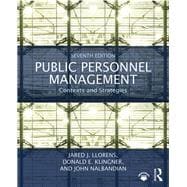
Public Personnel Management : Contexts and Strategies

ISBN: 9780130993076 | 0130993077
Edition: 5th
Format: Paperback
Publisher: Prentice Hall
Pub. Date: 1/1/2003

Why Rent from Knetbooks?

Because Knetbooks knows college students. Our rental program is designed to save you time and money. Whether you need a textbook for a semester, quarter or even a summer session, we have an option for you. Simply select a rental period, enter your information and your book will be on its way!

Top 5 reasons to order all your textbooks from Knetbooks:

  • We have the lowest prices on thousands of popular textbooks
  • Free shipping both ways on ALL orders
  • Most orders ship within 48 hours
  • Need your book longer than expected? Extending your rental is simple
  • Our customer support team is always here to help
SummaryTable of Contents
For upper-level undergraduate/introductory graduate courses in Public Personnel Management or Human Resources Management. Reflecting contemporary political and managerial realities, this text provides a comprehensive exploration of the values, conflicts, political processes, and management techniques which provide the context for personnel administration in the public sector.

Reflecting contemporary political and managerialrealities, this book provides a comprehensive exploration of the values, conflicts, political... MORE
Prefacexiii
PART I: INTRODUCTION
The World of Public Personnel Management
1(34)
Introduction
1(... MORE
Public Personnel Management Functions
2(1)
Public Jobs as Scarce Resources
2(1)
The Four Traditional Values: Responsiveness, Efficiency, Individual Rights, and Social Equity
3(1)
Anti-Government Values: Individual Accountability, Limited and Decentralized Government, and Community Responsibility
4(1)
Personnel Systems
5(4)
Conflict and Compromise among Alternative Personnel Systems
9(1)
A Historical Analysis of Public Personnel Management in the United States
9(5)
Public Personnel Management Values and Systems in the United States Today
14(1)
Public Personnel Systems and Values in Developing Countries: Development and Democratization
15(5)
Summary
20(1)
Key Terms
21(1)
Discussion Questions
21(1)
Case Study 1: Values and Functions in Public Personnel Management
22(1)
Case Study 2: Political Clearance for ``Buck'' Pleake
23(1)
Notes
23(12)
Doing Public HRM in the United States
35(27)
Introduction
35(1)
Public Employment in the United States: Myths and Realities
36(2)
Shared Responsibility for Public Human Resource Management
38(1)
How Public HRM Is Done under Different Personnel Systems
38(5)
HR Structures and Relationships
43(1)
HR Role Expectations
44(3)
Key HR Roles: Technician, Professional, Educator, and Mediator
47(3)
Building a Career in Public HRM
50(6)
Summary
56(1)
Key Terms
56(1)
Discussion Questions
57(1)
Case Study: Choosing a Municipal Personnel Director
57(2)
Notes
59(3)
PART II: PLANNING
Strategic Thinking about Human Resources Management
62(22)
Introduction
62(1)
The Assumptions of Traditional Civil Service Systems
63(1)
Challenges to the Traditional Assumptions
64(2)
Consequences of These Challenges for Human Resources Management
66(2)
A Model of Human Resources Management
68(3)
Three Approaches to Human Resources Management
71(1)
An Integrated Approach to Human Resources Management
72(1)
Strategic Human Resources Management
73(5)
Summary
78(1)
Key Terms
79(1)
Discussion Questions
79(1)
Exhibit A: ``Personnel Management: Part of the Problem or Part of the Solution?''
80(1)
Exhibit B: Lewinsohn Memorandum
81(1)
Exhibit C: Howze Shiplett Memorandum
82(1)
Notes
83(1)
Planning, Budgeting, Productivity, and Information Systems
84(26)
The Critical Link: Why Budgeting and Financial Management are Essential to Public Personnel Management
85(3)
Various Techniques for Forecasting Human Resource Needs
88(3)
Uncertainty in Human Resource Planning and Downsizing
91(3)
What is Productivity?
94(2)
Human Resource Management Information Systems
96(5)
Productivity and Privatization: What's a Manager to Do?
101(1)
Enhancing the Role of Human Resources Management in Productivity Decisions
102(2)
Summary
104(1)
Key Terms
105(1)
Discussion Questions
105(1)
Case Study 1: A Day in the Life of a City Manager
105(2)
Case Study 2: Privatization
107(1)
Notes
108(2)
Defining and Organizing Work
110(21)
Introduction
110(1)
Job Descriptions: Different Groups Have Different Objectives
111(4)
Job Analysis and Job Descriptions under Alternative Public Personnel Systems
115(2)
Traditional Job Descriptions Do Not Help Supervisors Manage Work
117(3)
How to Improve Traditional Job Descriptions
120(1)
Job Descriptions under Other Public Personnel Systems
121(3)
Summary
124(1)
Key Terms
124(1)
Discussion Questions
124(1)
Case Study: Who's Most Qualified to Be Minority Recruitment Director?
125(6)
Rewarding Work: Pay and Benefits
131(29)
Introduction
131(1)
The Contemporary Pay and Benefits Environment
132(1)
The Elements of a Total Compensation Package
133(1)
Laws Affecting Compensation Policy and Practice
134(1)
Alternative Ways of Setting Pay in Public Agencies
134(6)
Pay-for-Performance
140(3)
Issues Involved in Pay Disparity Based on Race and Gender
143(1)
Setting Pay in Alternative Personnel Systems
144(1)
Statutory Entitlement Benefits
145(1)
Discretionary Benefits
146(4)
Emergent Employee Benefit Issues
150(3)
Pay, Benefits, and Conflict among Personnel Systems
153(1)
Summary
153(1)
Key Terms
154(1)
Discussion Questions
154(1)
Case Study: Reducing Unscheduled Absenteeism
155(2)
Notes
157(3)
PART III: ACQUISITION
The Saga of Social Equity: EEO, AA, and Workforce Diversity
160(24)
EEO / AA Laws and Compliance Agencies
161(2)
Voluntary and Involuntary Affirmative Action Compliance
163(1)
Impact of Federal Courts on Public Agency EEO / AA Compliance
164(3)
From Employment Preference to Contract ``Set-Asides''
167(1)
From Affirmative Action to Workforce Diversity
168(4)
Managing Diversity in Organizations
172(3)
The Role of the HR Manager in Achieving Productivity and Fairness
175(2)
Summary
177(1)
Key Terms
178(1)
Discussion Questions
178(1)
Case Study 1: Equal Employment Opportunity or Affirmative Action?
179(1)
Case Study 2: Social Equity vs. Employee Rights
180(1)
Case Study 3: From AA to Workforce Diversification Programs
181(1)
Notes
181(3)
Recruitment, Selection, and Promotion
184(29)
The Acquisition Function
185(1)
Value Conflicts and the Acquisition Function
185(2)
External Influences and Contemporary Challenges
187(3)
Steps in the Staffing Process
190(5)
Timely Hiring Practices
195(1)
Recruitment and Selection Models
195(7)
Test Validation and the Acquisition Function
202(1)
Test Validation Methods
203(1)
Americans with Disabilities Act (ADA)
204(2)
Summary
206(1)
Key Terms
206(1)
Discussion Questions
206(1)
Exercise: Driving Forces of Change in Recruitment and Selection
207(1)
Case Study: Information Technology Recruitment
207(3)
Notes
210(3)
PART IV: DEVELOPMENT
Leadership and Employee Performance in Turbulent Times
213(25)
Differences between Political and Administrative Viewpoints
214(4)
Psychological Contracts
218(2)
The Foundation Theories: Explaining Employee Performance with Equity and Expectancy Theories
220(4)
Influences on Employees' Motivation to Perform
224(3)
Influences on Employees' Ability to Perform
227(1)
Organizing for Productivity
228(4)
Summary
232(1)
Key Terms
233(1)
Discussion Questions
233(1)
Case Study 1: Requiem for a Good Soldier
233(2)
Case Study 2: Recruiting a Water Plant Technician
235(1)
Exercise: Psychological Contracts
235(1)
Notes
236(2)
Training, Education, and Staff Development
238(23)
Training as Part of Strategic Planning
239(1)
Objectives of the Development Function: Training, Education, and Staff Development
240(1)
Training, Education, and Staff Development as Strategic Human Resources Management---Current Issues and Methods
241(1)
Building Organizational Capacity
241(4)
Developing New Employees
245(2)
Developing Current Employees
247(2)
Three Roles for the Human Resource Development Specialist
249(1)
Training Needs Assessment, Design, and Evaluation
250(4)
Different Perspectives from Alternate Personnel Systems
254(1)
Summary
255(1)
Key Terms
255(1)
Discussion Questions
255(1)
Appendix: A Personal View of Diversity Training
256(1)
Case Study 1: Develop a Diversity Training Program
257(1)
Case Study 2: Training Vignettes
258(1)
Case Study 3: ``How Should This Management Team Work Together?''
258(1)
Notes
259(2)
Performance Appraisal
261(29)
Why Evaluate Performance?
262(1)
Performance Appraisal and Alternative Personnel Systems
263(1)
Contemporary Challenges to Performance Appraisal
264(2)
Performance-Based and Person-Based Evaluation Criteria
266(2)
Appraisal Methods
268(11)
Who Should Evaluate Employee Performance?
279(2)
Characteristics of an Effective Appraisal System
281(2)
The Human Dynamics of the Appraisal Process
283(3)
Performance Appraisal, the Sanctions Process, and Fairness
286(1)
Summary
286(1)
Key Terms
287(1)
Discussion Questions
287(1)
Case Study: Evaluating Appraisal Instruments
288(1)
Notes
288(2)
Safety and Health
290(26)
The Legal Framework for Workplace Safety and Health
292(4)
Improving Workplace Health and Safety
296(2)
Workplace Violence
298(4)
Tobacco, Alcohol, and Illegal Drugs
302(3)
AIDS and Other Life-Threatening Diseases
305(1)
Employee Wellness Programs
306(2)
Balancing Organizational Effectiveness and Employee Rights
308(1)
Summary
309(1)
Key Terms
309(1)
Discussion Questions
309(1)
Case Study 1: Developing a Workplace AIDS Policy
310(1)
Case Study 2: Workplace Violence: ``In Hindsight, We Could See It Coming''
310(2)
Notes
312(4)
PART V: SANCTIONS
Organizational Justice
316(32)
The Sanction Function
317(1)
Establishing and Maintaining Expectations
317(2)
The Sanction Function in Alternate Personnel Systems
319(1)
Protecting Employees' Constitutional Substantive Rights
320(4)
Protecting Employees' Constitutional Procedural Rights
324(7)
Ongoing Issues---Substantive and Procedural
331(7)
Public Employee Liability
338(2)
Summary
340(1)
Key Terms
340(1)
Discussion Questions
341(1)
Case Study: Juan Hernandez vs. the County
342(4)
Notes
346(2)
Collective Bargaining
348(27)
Collective Bargaining: History and Legal Basis
349(4)
Collective Bargaining, Individual Rights, and the Constitution
353(1)
Collective Bargaining Practices
354(5)
Unfair Labor Practices
359(1)
Pressures on Public-Sector Collective Bargaining
360(2)
Moving from Private Privilege to Public Interest
362(2)
Employer-Financed Employee Retirement and Health-Care Systems
364(1)
Contract Administration Issues for Police and Firefighters
365(1)
Emergent Issues
365(3)
Summary
368(1)
Key Terms
368(1)
Discussion Questions
369(1)
Case Study: Good Management or Bargaining in Bad Faith?
369(3)
Notes
372(3)
Index375

Related Products


  • Outlines and Highlights for Public Personnel Management by Donald E Klingner, Isbn : 9780136026884
    Outlines and Highlights for Pu...
  • Public Personnel Management : Contexts and Strategies
    Public Personnel Management : ...
  • Public Personnel Management : Contexts and Strategies
    Public Personnel Management : ...
  • Public Personnel Management : Contexts and Strategies
    Public Personnel Management : ...


Please wait while this item is added to your cart...