FREE SHIPPING BOTH WAYS
ON EVERY ORDER!
LIST PRICE:
$89.95

Sorry, this item is currently unavailable.

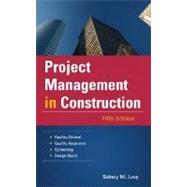
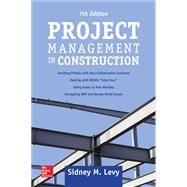
Project Management in Construction

ISBN: 9780071464178 | 0071464174
Edition: 5th
Format: Hardcover
Publisher: McGraw-Hill Professional
Pub. Date: 8/10/2006

Why Rent from Knetbooks?

Because Knetbooks knows college students. Our rental program is designed to save you time and money. Whether you need a textbook for a semester, quarter or even a summer session, we have an option for you. Simply select a rental period, enter your information and your book will be on its way!

Top 5 reasons to order all your textbooks from Knetbooks:

  • We have the lowest prices on thousands of popular textbooks
  • Free shipping both ways on ALL orders
  • Most orders ship within 48 hours
  • Need your book longer than expected? Extending your rental is simple
  • Our customer support team is always here to help
SummaryTable of ContentsAuthor Biography
Step-by-step advice on making every construction job profitable and successful Covering every aspect of the job, from writing initial contracts to complying with OSHA regulations, this trusted resource outlines the essential tenets of project management including estimating, purchasing, and administration of the contract.
Prefacexiii
Chapter 1. An Introduction to the Construction Industry1(10)
Critical Issues Facing Contractors in This New Millennium
2(9)
... MORE
2(1)
Information technology
3(1)
Human resources—the changing workforce
4(1)
The undocumented immigrant problem
4(1)
Productivity
5(1)
Quality control
6(1)
Project delivery systems
6(1)
The organization
7(1)
Construction technology
8(1)
Safety
8(1)
The changing marketplace
8(3)
Chapter 2. The Start of the Construction Process11(34)
The Letter of Intent
12(3)
Defining costs in the letter of intent
13(1)
Subcontractor commitments via the letter of intent
14(1)
The letter of intent termination clause
14(1)
Prevalent Types of Construction Contracts
15(30)
Cost of the work plus a fee
15(4)
The stipulated or lump-sum contract
19(2)
The Cost-plus-a-fee with a GMP contract
21(6)
Construction manager contracts
27(4)
The joint venture agreement
31(1)
Turnkey contracts
32(1)
Build-operate-transfer
32(1)
Contracts with government agencies
33(12)
Chapter 3. The General Conditions to the Construction Contract45(16)
AIA A201—General Conditions of the Contract for Construction
45(10)
Article 1: General provisions—the contract documents
45(1)
Article 2: Owner
46(1)
Article 3: Contractor
47(1)
Article 4: Administration of the contract
48(1)
Article 5: Subcontractors
49(1)
Article 6: Construction by owner or by separate contractors
50(1)
Article 7: Changes in the work
51(1)
Article 8: Time
51(1)
Article 9: Payments and completion
52(1)
Article 10: Protection of persons and property
53(1)
Article 11: Insurance and bonds
53(1)
Article 12: Uncovering and correction of work
54(1)
Article 13: Tests and inspections
54(1)
Article 14: Termination or suspension of the contract
54(1)
The 1987 edition of AIA A201
54(1)
AIA Document A210CMa—General Conditions for the Construction Manager Contract
55(1)
The Associated General Contractor's Version of General Conditions between Owner and Contractor-AGC Document No. 200
56(1)
The dispute resolution menu
57(1)
The Engineers Joint Contract Documents Committee General Conditions
58(1)
A Word to the Wise
59(2)
Chapter 4. Bonds and Insurance61(16)
This Risky Business
61(1)
Why Contractors Fail
62(2)
Bonds and the Bonding Process
64(13)
The terminology of bonds
64(1)
The letter of credit
65(1)
The bonding process
66(1)
Prequalifying for a bond
66(1)
Insurance
67(1)
Builder's risk
68(1)
Workers' compensation insurance
68(1)
Subcontractor default insurance
69(1)
Controlled insurance programs
69(2)
Insurance terms
71(6)
Chapter 5. Organizing the Project Team77(32)
Organizing the Job in the Office
78(4)
Changing CSI specification division numbering
78(1)
Addenda and bulletins
78(3)
Project files
81(1)
Organizing the Estimate
82(22)
Investigating allowance and bid alternates
83(2)
Alternates
85(1)
Shop drawings and the shop drawing log
86(4)
Informational copies
90(1)
The RFI log
90(3)
Job scheduling
93(3)
The critical path method (CPM)
96(1)
Activity duration times
97(1)
The importance of float and who owns it
98(1)
The project meeting minutes
98(2)
Other forms to consider when getting organized
100(2)
Lien waivers—for progress and final payment
102(2)
Organizing in the field
104(3)
Shop Drawing Organization
107(1)
The Future of Project Organization
107(2)
Chapter 6. Successful Project Completion Demands a Successful Start109(18)
What Owners Consider Important
109(1)
Starting Off on the Right Foot
110(1)
Controlling the Project Start
111(1)
Review of the Contract with the Owner
111(1)
Review of the Project Specifications
112(1)
Specific items to look for when reviewing the specifications
113(1)
Record Drawings
113(1)
Inspections and Test Reports (Other than Those Required by Local Officials)
114(1)
Operations and Maintenance Manuals
114(1)
Commissioning and TAB
115(1)
TAB—A Procedure that Requires Special Attention
115(2)
The Punch List
117(2)
Is it' a punch list or a warranty item?
117(1)
Attic stock, special tools, and spare parts
118(1)
Material safety data sheets
118(1)
Preparing for that First Project Meeting with the Subcontractors
119(6)
That Dangerous End-of-Project Syndrome
125(2)
Chapter 7. Estimating127(22)
The 2004 Edition of CSI's MasterFormat
127(1)
Acquiring a Database
128(4)
The purchased database
128(1)
Acquiring the in-house database
128(1)
The weekly field labor report
129(2)
Combining cost codes and daily reports to produce the database
131(1)
Analyzing Unit Costs
132(2)
Displaying unit costs
132(1)
Monitoring the reporting of costs
133(1)
When disparities in costs appear
133(1)
Bundling to create a unit cost
134(1)
Conceptual Estimating
134(3)
The various stages of the process
136(1)
The Postconstruction Project Review
137(1)
Mining Completed Projects to Enhance the Database
137(2)
The Project Parameter Cost Model Form
139(2)
The preparation of a project cost model data sheet
140(1)
Sources of Conceptual Estimating Data
141(1)
Cost index date
142(1)
Order-of-Magnitude Estimating
142(1)
Order-of-magnitude issues to consider
143(1)
Special Requirements Associated with Office Building Estimating
143(1)
Core and Shell
143(1)
The Tenant Work Letter
144(1)
The Developer's Responsibility
144(3)
Subcontractor Responsibilities as They Relate to Tenant Fit-Ups
147(2)
Chapter 8. Buying Out the Job149(34)
Awarding Subcontracts
149(9)
The subcontract interview form
150(8)
The Bid Summary Sheet
158(1)
Unit Prices
159(4)
Other items to consider during the solicitation of prices
159(4)
Combining Work to Best Advantage
163(1)
Subcontract or Do It Ourselves?
163(2)
The "we can do it cheaper" syndrome
164(1)
Key Questions to Ask Subcontractors during Negotiations
165(1)
Pitfalls to Avoid in Mechanical and Electrical Contract Negotiations
166(1)
Who Is the Contractor?
167(1)
Issues To Be Addressed
167(2)
Temporary light and temporary power
167(1)
Installation of underground utilities
168(1)
Designing to local utility standards
168(1)
Warranties and Guarantees
169(1)
Job Cleaning and the Contract
169(2)
Communicating the Terms and Conditions of the Subcontract Agreement
171(2)
Importance of lien waiver requirements in the subcontract agreement
171(2)
Purchase Orders
173(4)
Ordering when exact quantities are not known
174(1)
Price protection and the purchase order
175(2)
Pitfalls to Avoid When Issuing Subcontracts and Purchase Orders
177(1)
Do Your Subcontract Agreements Include These Key Provisions?
178(5)
Chapter 9. The Change Orders183(28)
A Cardinal Rule
184(1)
Starting off on the right foot
184(1)
Reviewing the Important Contents of a Change-Order Request
185(2)
Time and material work
186(1)
The verbal authorization to proceed
186(1)
What Constitutes "Cost"
187(1)
Completion Time and the Change Order
188(6)
Consequential damages
188(1)
Will contract time remain the same, be reduced, or be extended?
189(1)
Small-tool costs
190(1)
What costs other than bricks and mortar should be considered?
191(1)
What overhead and profit fees can be included in change-order work?
192(1)
When credits and charges both apply
193(1)
The construction change directive—The CCD
193(1)
Be alert to other contract provisions relating to change-order work
194(1)
Public Works and the Change-Order Process
194(1)
Roadblocks to Acceptance of Change Orders
195(5)
The owner's perspective
196(1)
The contractor's perspective
196(1)
The architect and engineer's perspective
197(3)
Liquidated Damages and the Change-Order Process
200(3)
A typical liquidated damages clause
201(2)
Change Orders Reflecting Costs Due to Job Delays
203(3)
Excusable delays
204(1)
Concurrent delays
204(1)
Compensable delays
204(2)
Pitfalls to Avoid when Preparing Change Orders
206(1)
The Change-Order Cost Checklist
207(1)
Effective Change-Order Control
208(3)
Chapter 10. Quality Control and Quality Assurance211(18)
Quality Begins with Quality Design
211(1)
Total Quality Management
212(1)
Benchmarking
213(1)
The International Standards Organization
213(1)
The Six Sigma Approach to Quality
214(1)
From Theory to Practice
215(1)
Quality starts with a thorough review of the contract documents
216(1)
Quality Control and the Specifications
216(1)
Using trade organizations to learn about quality standards
217(1)
The Preconstruction Conference—QC and QA
217(3)
Sample panels and mock-ups
218(1)
The punch list and QC/QA
219(1)
Developing a Company QC/QA Program
220(9)
The inspection checklist method
220(9)
Chapter 11. Project Documentation229(32)
The Documentation Process
229(2)
Documentation to the Owner
231(2)
The unique provisions of a GMP contract with respect to documentation
231(1)
Documentation to an owner from the construction manager
231(2)
Documentation to the Architect and Engineer
233(1)
Shop drawing submittals, review, returns and logs
233(1)
Requests for Clarification and Requests for Information
234(3)
Field Conditions Documentation
237(1)
The affect on "as-builts"
237(1)
The Coordination Process
238(1)
Other Important Documents
239(3)
Cost proposal or cost estimate requests
239(1)
Conditions that impact completion time
239(2)
Documentation of close-out requirements
241(1)
Documentation to the Subcontractors
242(8)
Is the scope of the work fully understood by all?
243(1)
Avoiding problems related to subcontractor misunderstandings
244(1)
Linking the subcontract agreement with the owner's contract
245(1)
Subcontractor performance—the major concern
245(2)
Danger signs and how to interpret them
247(2)
That low subcontract bid—are problems waiting to surface?
249(1)
Documentation When Major Drawing Revisions Are Made
250(2)
What to do with all of those 81/2 x 11s
251(1)
Documentation Required When Contracting with Public Agencies
252(3)
The Davis-Bacon act
252(2)
Complying with other government requirements
254(1)
Project Documentation from the Field
255(6)
The superintendent's record of daily activities
255(4)
Photographs: important documentary components
259(2)
Chapter 12. Claims, Disputes, Arbitration, and Mediation261(34)
What Triggers Claims and Disputes?
261(1)
The Bid Proposal Process and the Potential for Disputes
262(5)
Do late bids count?
263(4)
Other Potentials for Disputes
267(23)
Oral contracts
267(1)
Disputes regarding contract interpretation
268(3)
Subsurface, changed, and differing conditions
271(1)
Using geotechnical disclaimers to advantage
272(1)
The court and differing site conditions
272(7)
Differing or changed conditions
279(2)
Be wary of subcontractor input
281(1)
A word about lost productivity
282(3)
The courts and lost productivity issues
285(1)
Claims against professionals
286(1)
Acceleration: what it is and how it is used
287(3)
Arbitration and Mediation
290(3)
Mediation
291(1)
The arbitration process
291(2)
In Summation
293(2)
Chapter 13. Safety in Construction295(30)
The Occupational Safety and Health Act (OSHA)
295(2)
Factors Responsible for Declining Accident Rates
297(9)
Safety Pays—In More Ways Than One
306(2)
The positive effects of a good safety record
306(1)
Workers' compensation insurance
307(1)
Developing the Company Safety Program
308(17)
The statement of company policy
309(1)
The safety director/safety coordinator
310(2)
A hazard communication program
312(13)
Chapter 14. Design-Build325(30)
What Is Design-Build?
325(6)
Why has design-build garnered so much attention recently?
326(5)
Developing a Design-Build Capability
331(7)
Creating in-house design capability
331(1)
The joint venture
331(1)
The limited liability corporation—the LLC
332(1)
An architect- or contractor-led design-build team?
332(6)
Developing a Design-Build Program
338(2)
Developing design-build proposals
338(1)
Another approach
339(1)
How Owners Select Design-Builders
340(9)
The selection process
340(4)
The teaming agreement
344(5)
Contract Provisions Unique to the Design-Build Process
349(4)
Special provisions of design-build contracts
349(1)
Contract provisions relating to defining the owner's program
350(1)
The role of the subcontractor in the design-build process
351(2)
Design-Build in the Public Sector
353(2)
Chapter 15. Sustainability and Green Buildings355(20)
The Impact of Construction on the Environment
356(1)
What Do We Mean by Sustainability?
356(5)
Whole-building design
357(3)
Green buildings in the private sector
360(1)
Some Design-Build/Sustainable Building Guidelines
361(10)
Are green buildings more expensive than conventional construction?
361(3)
Projected savings
364(2)
Other revealing but not so apparent benefits of green buildings
366(5)
The Greening of Existing Buildings
371(4)
Chapter 16. Interoperability and Building Information Modeling (BIM)375(18)
Looking at the Last Several Decades
375(1)
Contractors Slow to Embrace Technology
376(10)
Interoperabilty—what is it and why is it so important?
378(5)
The steel industry becomes a leader
383(3)
What Is Building Information Modeling All About?
386(7)
Coordination and interference issues addressed
386(7)
Index393
Sidney M. Levy is an independent construction industry consultant in Baltimore, Maryland with more than 40 years of experience in the profession. He is the author of numerous books on construction methods and operations, including Construction Databook, Design-Build Project Delivery, and Construction Superintendent's Operations Manual. Mr. Levy was awarded the British Chartered Institute of Building Silver Medal for Project Management in Construction, Third Edition, in the category of Managing Construction.

Related Products


  • Project Management in Construction 6/E
    Project Management in Construc...


Please wait while this item is added to your cart...