Because Knetbooks knows college students. Our rental program is designed to save you time and money. Whether you need a textbook for a semester, quarter or even a summer session, we have an option for you. Simply select a rental period, enter your information and your book will be on its way!
| Essential Issues In Trial Consultation | p. 1 |
| Introduction to Trial Consultation | p. 3 |
| The Consultant as Coach: An Orienting Metaphor | p. 3 |
| The Nature of Trial Consultants and Consultation | p. 4 |
| Trial Consultation and Fairness | p. 6 |
| Working Assumptions | p. 7 |
| The Obvious and Beyond the Obvious | p. 10 |
| Is Trial Consultation a Profession? | p. 10 |
| ... MORE | p. 12 |
| Case but Not Outcome Driven | p. 14 |
| How This Book Is Organized | p. 14 |
| The Case Conceptualization | p. 16 |
| Introduction to Case Conceptualizations | p. 16 |
| Case Conceptualizations in Psychotherapy | p. 17 |
| Trial Consultants, Attorneys, and Social Scientists | p. 18 |
| Story and Narrative | p. 20 |
| Focus Groups and Shadow Juries | p. 24 |
| Conclusion | p. 27 |
| Toolbox for Trial Consultants | p. 28 |
| Books of Scales | p. 30 |
| Constructs and Measures | p. 36 |
| Conclusion | p. 41 |
| Preparation Of Witnesses And Attorneys | p. 43 |
| Witness Preparation for Testifying in Court | p. 45 |
| Horse-Shedding | p. 46 |
| Witness Preparation | p. 47 |
| Public Figures on the Stand | p. 48 |
| Preparation for Cross-Examination of Lay Witnesses | p. 50 |
| Witness Preparation for Race Inquiries | p. 52 |
| Conclusion | p. 54 |
| Preparation and Examination of Expert Witnesses | p. 56 |
| Expert Witnesses Are Not Necessarily Experts When They Are Witnesses | p. 57 |
| Routine versus Demanding Examinations | p. 58 |
| Substantive Preparation | p. 61 |
| Anxiety Reduction for Expert Witnesses | p. 62 |
| Meeting with Counsel and Preparing for Direct Examination | p. 63 |
| Narrative Testimony | p. 64 |
| Primacy and Recency Effects | p. 64 |
| Consulting with Attorneys about Direct and Cross-Examinations and Depositions | p. 66 |
| The FRE Criteria | p. 68 |
| Challenges to Knowledge | p. 68 |
| Challenges to Skill | p. 69 |
| Challenges to Experience | p. 70 |
| Challenges to Training and Education | p. 71 |
| Conclusion | p. 72 |
| Witness Preparation: Findings from the Lab | p. 74 |
| Persuasion through Witness Preparation | p. 75 |
| Gender and Witness Testimony | p. 78 |
| Confidence on the Witness Stand | p. 81 |
| Expert Witness Credibility | p. 81 |
| Panic and testimony | p. 83 |
| Conclusion | p. 84 |
| Jury Selection Principles And Case Studies | p. 85 |
| Jury Selection: Basic Approaches | p. 87 |
| Inaccurate Impressions: An Illustrative Report | p. 90 |
| The Empirical Approach | p. 91 |
| Scientific Jury Selection | p. 92 |
| Jury Selection in a Medical Malpractice Case | p. 93 |
| Conclusion | p. 99 |
| Jury Selection: Internet Sex Offenders and Juror Sexual Values | p. 100 |
| Internet Sexual Offending | p. 102 |
| Entrapment | p. 104 |
| The Case and the Focal Points | p. 105 |
| Conclusion | p. 109 |
| No Questions but Deselection Questions | p. 111 |
| Deselection Questions about Punishment | p. 114 |
| Deselection Questions about Authoritarianism | p. 116 |
| Aversion and Disgust | p. 117 |
| Attitudes toward the Death Penalty and Capital Punishment | p. 118 |
| Deselection Perspectives on Police Interrogations | p. 121 |
| General Presumptions about Innocence and Burden of Proof | p. 121 |
| Open-Ended Questions | p. 122 |
| The Deselection Process Applied to the Juror Bias Scale | p. 123 |
| Conclusion | p. 125 |
| Jury Selection: Reversals | p. 127 |
| The Facts of the Case | p. 128 |
| Excessive Force by Police | p. 130 |
| Voir Dire Questions | p. 132 |
| Conclusion | p. 137 |
| Changes Of Venue | p. 139 |
| Change of Venue Consultations | p. 141 |
| Pretrial Bias and the Venue | p. 142 |
| When Attorneys Are Unequivocally Certain of Pretrial Bias | p. 143 |
| Survey Data in Change of Venue Motions | p. 144 |
| Legal Foundations | p. 146 |
| Conducting a Survey about Bias and Change of Venue | p. 148 |
| Setting Aside Biases and the Set-Aside Question | p. 149 |
| Bogus Questions | p. 150 |
| Case Conceptualization | p. 151 |
| Civil Actions with Multiple Issues | p. 153 |
| Conclusion | p. 154 |
| Surveys of Pretrial Bias: A Case Report | p. 156 |
| The Rationale | p. 157 |
| Design of the Survey | p. 158 |
| Response Rates | p. 159 |
| Sample Characteristics | p. 161 |
| Findings | p. 161 |
| Conclusion | p. 167 |
| Putting It Together | p. 169 |
| Trial Consultation in a Capital Murder Case: Integrating the Components of Trial Consultation | p. 171 |
| The Trial Team Examines the Photos | p. 172 |
| Application to the Case Study | p. 174 |
| Voir Dire Questions about the Photos | p. 175 |
| Defendant's Role as Diminisher of Harm | p. 176 |
| Fearful Follower | p. 177 |
| Preparing Lonnie for the Stand | p. 178 |
| Identification with the Victims | p. 180 |
| Conclusions | p. 181 |
| Trial Consultation in Eminent Domain Cases | p. 183 |
| Eminent Domain: Background and Legal Issues | p. 183 |
| Trial Consultation | p. 186 |
| Strategies and Issues That Apply to Property Condemnation Actions | p. 187 |
| Jury Selection | p. 189 |
| Rules of Thumb for Jury Selection in Eminent Domain Proceedings | p. 190 |
| Case Conceptualization | p. 191 |
| Questioning the Opposing Appraiser | p. 192 |
| Conclusion | p. 193 |
| Where Next for Trial Consulting?: Emerging Trends and Limitations | p. 195 |
| Cell Phones and Telephone Surveys | p. 195 |
| Online Communities and Social Networking Sites as Sources of Information for Jury Selection and Other Tasks | p. 197 |
| Zoomerang and Other Internet Survey Methods | p. 199 |
| Audience Response Systems | p. 200 |
| University-Based Graduate Training and Research | p. 200 |
| Standardized Methods in the Voir Dire | p. 201 |
| Evidence-Based Preparation of Expert and Lay Testimony | p. 202 |
| Getting Started in Trial Consultation | p. 203 |
| Your Feedback | p. 204 |
| References | p. 205 |
| Index | p. 219 |
| Table of Contents provided by Ingram. All Rights Reserved. |
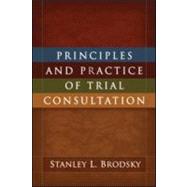
Stanley L. Brodsky, PhD, is Professor of Psychology at The University of Alabama in Tuscaloosa, where he coordinates the Psychology-Law PhD concentration. He is the author of over 200 articles and chapters and 12 books, including Testifying in Court, a bestseller; The Expert Expert Witness; and Coping with Cross-Examination. Dr. Brodsky received the 2006 Distinguished Contributions to Psychology and Law Award from the American Psychology-Law Society, an award given on only seven other occasions. Previous recipients include former U.S. Attorney General Janet Reno and Supreme Court Justice Harry Blackmun. He is also a recipient of the Distinguished Contributions to Forensic Psychology Award from the American Academy of Forensic Psychology. Dr. Brodsky maintains an independent practice in trial consultation and forensic psychology.