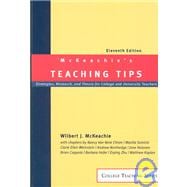
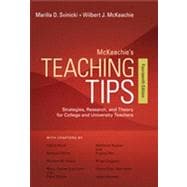
Because Knetbooks knows college students. Our rental program is designed to save you time and money. Whether you need a textbook for a semester, quarter or even a summer session, we have an option for you. Simply select a rental period, enter your information and your book will be on its way!
| Preface | p. xvii |
| A Special Preface for Teaching Assistants and Graduate Student Instructors | p. xxi |
| Getting Started | p. 1 |
| Introduction | p. 2 |
| The College or University Culture | p. 3 |
| Research Versus Teaching? | p. 5 |
| Teaching as Scholarship | p. 5 |
| In Conclusion | p. 6 |
| Countdown for Course Preparation | p. 9 |
| Time: Three Month... MORE | p. 9 |
| Write Objectives, Goals, or Outcomes | p. 9 |
| What Goals? | p. 11 |
| Order Textbooks or Other Resources Students May Need | p. 12 |
| Choosing a Text or Reading Materials | p. 13 |
| Time: Two Months Before the First Class | p. 15 |
| Begin Drafting a Syllabus for the Course | p. 15 |
| Time: One Month Before the First Class | p. 17 |
| Begin Preparing Lesson Plans | p. 17 |
| Plan for Out-of-Class Learning | p. 18 |
| Choose Appropriate Teaching Methods | p. 18 |
| Select Appropriate Technology | p. 19 |
| Time: Two Weeks Before the First Class | p. 19 |
| Time: One Week Before the First Class | p. 19 |
| Meeting a Class for the First Time | p. 21 |
| Breaking the Ice | p. 22 |
| Problem Posting | p. 24 |
| Introducing the Syllabus | p. 24 |
| Testing, Grading, and Fairness | p. 25 |
| Introducing the Textbook | p. 26 |
| Assessing Prior Knowledge | p. 26 |
| Questions | p. 27 |
| What About Subject Matter? | p. 27 |
| In Conclusion | p. 28 |
| Basic Skills for Facilitating Student Learning | p. 29 |
| Facilitating Discussion: Posing Problems, Listening, Questioning | p. 30 |
| A Little Bit of Theory | p. 31 |
| Problems in Teaching by Discussion | p. 31 |
| Starting Discussion | p. 32 |
| Starting Discussion with a Common Experience | p. 32 |
| Starting Discussion with a Controversy | p. 32 |
| Starting Discussion with Questions | p. 34 |
| Starting Discussion with a Problem or Case Using Developmental Discussion | p. 36 |
| Stages of Developmental Discussion | p. 37 |
| Breaking a Problem into Subproblems | p. 37 |
| Socratic Discussion | p. 38 |
| Barriers to Discussion | p. 40 |
| What Can I Do About Nonparticipants? | p. 41 |
| Buzz Groups--Peer Learning | p. 44 |
| The Inner Circle or Fishbowl | p. 44 |
| The Discussion Monopolizer | p. 45 |
| How Can We Have a Discussion If the Students Haven't Read the Assignment? | p. 45 |
| Handling Arguments and Emotional Reactions | p. 46 |
| The Two-Column Method | p. 47 |
| Emotional Reactions | p. 48 |
| Teaching Students How to Learn Through Discussion | p. 49 |
| Taking Minutes or Notes, Summarizing | p. 50 |
| Online Discussions | p. 50 |
| In Conclusion | p. 51 |
| How to Make Lectures More Effective | p. 52 |
| Research on the Effectiveness of Lectures | p. 52 |
| What Are Lectures Good For? | p. 53 |
| A Little Bit of Theory | p. 54 |
| Planning Lectures | p. 55 |
| Preparing Your Lecture Notes | p. 56 |
| Organization of Lectures | p. 57 |
| The Introduction | p. 58 |
| The Body of the Lecture | p. 59 |
| How Can Lectures Be Improved? | p. 62 |
| Attention | p. 62 |
| What Can Be Done to Get Attention? | p. 63 |
| Teaching Students How to Be Better Listeners | p. 64 |
| How Do Students Process the Content of a Lecture? | p. 64 |
| Should Students Take Notes? | p. 65 |
| How to Get Students Actively Thinking in a Lecture Situation | p. 67 |
| Distribution of Lecture and Discussion Time | p. 68 |
| In Conclusion | p. 68 |
| Assessing, Testing, and Evaluating: Grading Is Not the Most Important Function | p. 70 |
| Reducing Student Frustration and Aggression | p. 71 |
| Planning Methods of Testing and Assessment | p. 72 |
| When to Test | p. 74 |
| Test Construction | p. 74 |
| Choosing the Type of Question | p. 75 |
| How Many Questions Should I Use? | p. 80 |
| Instructions to the Students | p. 80 |
| Helping Students Become Test-wise | p. 81 |
| Taking Multiple-Choice Tests | p. 81 |
| Taking Essay Tests | p. 82 |
| Why Teach Test Taking? | p. 83 |
| Administering the Test | p. 83 |
| After the Test | p. 84 |
| Grading Essay Questions | p. 84 |
| Helping Students Learn from the Test | p. 86 |
| Helping Yourself Learn from the Test | p. 87 |
| Grading "on the Curve": Don't Do It! | p. 87 |
| Returning Test Papers | p. 88 |
| Dealing with an Aggrieved Student | p. 89 |
| What Do You Do About the Student Who Missed the Test? | p. 90 |
| Other Methods of Assessing Learning | p. 91 |
| Performance Assessment (Authentic Assessment) | p. 91 |
| Graphic Representations of Concepts | p. 91 |
| Journals, Research Papers, and Annotated Bibliographies | p. 92 |
| Portfolios | p. 92 |
| Peer Assessment | p. 94 |
| Assessing Group Work | p. 94 |
| Classroom Assessment | p. 95 |
| In Conclusion | p. 95 |
| What to Do About Cheating | p. 97 |
| How Do Students Cheat? | p. 97 |
| Preventing Cheating | p. 98 |
| Plagiarism | p. 100 |
| Handling Cheating | p. 100 |
| In Conclusion | p. 102 |
| The ABC's of Assigning Grades | p. 103 |
| Do Grades Provide Information Useful for Decision Making? | p. 105 |
| Contract Grading | p. 107 |
| Competency-based Grading | p. 107 |
| Assigning Grades | p. 109 |
| Grading on the Curve: A Mild Reprise | p. 110 |
| What About the Student Who Wants a Grade Changed? | p. 111 |
| Relevant Research | p. 113 |
| In Conclusion | p. 114 |
| Understanding Students | p. 117 |
| Motivation in the College Classroom | p. 118 |
| Motivation Theory | p. 119 |
| Autonomy and Self-Determination | p. 119 |
| Intrinsic and Extrinsic Motivation | p. 120 |
| Expectancy x Value Theory | p. 121 |
| Mastery Versus Performance Goals | p. 122 |
| Attribution Theory | p. 123 |
| Social Goals and Social Motivation | p. 123 |
| Putting Motivation Theory into Practice | p. 124 |
| In Conclusion | p. 126 |
| Valuing Student Differences | p. 128 |
| Feeling Welcome in the Classroom | p. 133 |
| Feeling Welcome Through the Curriculum | p. 135 |
| Being Treated as an Individual | p. 137 |
| Full Participation in Learning | p. 139 |
| Learning Style Dimensions of Full Participation | p. 140 |
| Physical and Learning Disabilities | p. 142 |
| Age Differences | p. 143 |
| Increasing Opportunities for Full Participation | p. 143 |
| Increasing Motivation | p. 144 |
| Being Treated Fairly | p. 145 |
| In Conclusion | p. 146 |
| Problem Students (There's Almost Always at Least One!) | p. 148 |
| Angry, Aggressive, Challenging Students | p. 149 |
| Attention Seekers and Students Who Dominate Discussions | p. 151 |
| Inattentive Students | p. 152 |
| Unprepared Students | p. 153 |
| The Flatterer, Disciple, Con Man (or Woman) | p. 154 |
| Discouraged, Ready-to-Give-Up Students | p. 155 |
| Students Who Are Struggling | p. 156 |
| Students with Excuses | p. 156 |
| Students Who Want the TRUTH and Students Who Believe That Everything Is Relative | p. 157 |
| Students with Emotional Reactions to Sensitive Topics | p. 158 |
| In Conclusion | p. 159 |
| Counseling, Advising, and Educating | p. 161 |
| Counseling | p. 161 |
| p. 163 | |
| Advising and Program Planning | p. 163 |
| Dealing with Psychological Problems | p. 164 |
| Potential Suicides | p. 165 |
| Individualized Teaching and Mentoring | p. 165 |
| In Conclusion | p. 167 |
| Adding to Your Repertoire of Skills and Strategies for Facilitating Active Learning | p. 169 |
| Teaching Students to Learn Through Writing: Journals, Papers, and Reports | p. 170 |
| A Little Theory | p. 170 |
| Low-Stakes Writing | p. 171 |
| The Student Log or Journal | p. 171 |
| The Paper That Counts Toward a Grade | p. 172 |
| Dealing with Plagiarism | p. 174 |
| Other Possibilities for Writing Assignments | p. 175 |
| Teaching Writing, Giving Feedback, and Correcting Papers | p. 175 |
| What to Do When a Paper Is to Be Graded | p. 177 |
| What About Deadlines and Students Who Miss Them? | p. 179 |
| Portfolios | p. 179 |
| In Conclusion | p. 179 |
| Reading as Active Learning | p. 181 |
| Textbooks | p. 181 |
| How Do You Get Students to Do the Assigned Reading? | p. 182 |
| Research on Learning from Reading | p. 183 |
| Teaching Students to Learn More from Reading | p. 184 |
| In Conclusion | p. 185 |
| Active Learning: Cooperative, Collaborative, and Peer Learning | p. 187 |
| Peer Learning and Teaching | p. 188 |
| Student-led Discussions | p. 189 |
| How to Use Student-led Discussions | p. 189 |
| Peer Tutoring | p. 190 |
| The Learning Cell | p. 190 |
| Team Learning: Syndicate and Jigsaw | p. 191 |
| Student Characteristics and Peer Learning | p. 192 |
| Why Does Peer Learning Work? | p. 193 |
| In Conclusion | p. 194 |
| Problem-based Learning: Teaching with Cases, Simulations, and Games | p. 196 |
| Problem-based Learning | p. 196 |
| The Case Method | p. 198 |
| Finding the Right Cases | p. 199 |
| Tips for Teaching with Cases | p. 199 |
| Games and Simulations | p. 200 |
| In Conclusion | p. 202 |
| Technology and Teaching | p. 204 |
| How Will Technology Enhance Teaching and Learning? | p. 204 |
| Teaching with Technology | p. 206 |
| Course Content | p. 206 |
| The Instructor | p. 209 |
| Students | p. 211 |
| Technology Tools | p. 213 |
| What Are the Effects of Technology on Teaching? | p. 220 |
| In Conclusion | p. 221 |
| Skills for Use in Other Teaching Situations | p. 225 |
| Teaching Large Classes (You Can Still Get Active Learning!) | p. 226 |
| Facilitating Active Learning | p. 227 |
| Encouraging Student Writing in Large Classes | p. 227 |
| Other Ways to Maintain Student Involvement | p. 228 |
| Student Anonymity | p. 230 |
| Giving Tests in Large Classes | p. 231 |
| Outside Reading | p. 232 |
| Coordinating Multisection Courses | p. 232 |
| Training and Supervising Teaching Assistants | p. 233 |
| In Conclusion | p. 234 |
| Laboratory Instruction: Ensuring an Active Learning Experience | p. 235 |
| Laboratory Instruction Styles | p. 236 |
| Expository Instruction | p. 236 |
| Inquiry Instruction | p. 237 |
| Discovery Instruction | p. 237 |
| Problem-based Learning | p. 238 |
| Turning Novice Researchers into Practicing Scientists | p. 240 |
| Link to Cognitive Development | p. 242 |
| What Research Says | p. 243 |
| In Conclusion | p. 243 |
| Facilitating Experiential Learning: Service Learning, Fieldwork, and Collaborative Research | p. 245 |
| Experiential Learning | p. 246 |
| What Are the Goals of Experiential Learning? | p. 246 |
| Are These Goals Achieved? | p. 247 |
| How Can We Get Better Outcomes from Experiential Learning? | p. 247 |
| In Conclusion | p. 249 |
| Using Project Methods, Independent Study, and One-on-One Teaching | p. 250 |
| The Project Method | p. 251 |
| Small-Group Independent Study | p. 252 |
| Research on Variations in Amount of Classroom Time | p. 252 |
| Time in Class | p. 254 |
| Senior Projects | p. 254 |
| One-on-One Teaching | p. 255 |
| In Conclusion | p. 257 |
| Teaching by Distance Education | p. 258 |
| Sketching Out the Shape of a Course | p. 259 |
| Developing a Teaching Narrative | p. 264 |
| Making the Course Manageable | p. 265 |
| In Conclusion | p. 266 |
| Teaching for Higher-Level Goals | p. 269 |
| Teaching Students How to Learn | p. 270 |
| The Importance of Goals and Self-Reflection | p. 271 |
| Increasing Students' Self-Awareness | p. 272 |
| Using Existing Knowledge to Learn New Things | p. 273 |
| Teaching Domain-specific and Course-specific Strategies | p. 274 |
| Methods for Checking Understanding | p. 278 |
| Knowing How to Learn Is Not Enough--Students Must Also Want to Learn | p. 279 |
| Putting It All Together--Executive Control Processes in Strategic Learning | p. 281 |
| In Conclusion | p. 282 |
| Teaching Thinking | p. 284 |
| Setting Goals for Thinking | p. 285 |
| Improving Thinking Quality | p. 288 |
| In Conclusion | p. 289 |
| Teaching Values: Should We? Can We? | p. 291 |
| Should We? | p. 292 |
| Can We? | p. 293 |
| What Values Should We Teach? | p. 294 |
| How Can We Teach Values? | p. 298 |
| Modeling Values | p. 299 |
| Service Learning | p. 299 |
| Dealing with Alternative Views | p. 300 |
| What Kinds of Teaching Methods Should We Use? | p. 301 |
| The Teacher as a Person | p. 302 |
| In Conclusion | p. 303 |
| Lifelong Learning for the Teacher | p. 305 |
| Ethics in College Teaching | p. 306 |
| Responsibilities to Students | p. 309 |
| To Encourage the Free Pursuit of Learning | p. 310 |
| To Demonstrate Respect for Students | p. 311 |
| To Respect Confidentiality | p. 312 |
| To Model the Best Scholarly and Ethical Standards | p. 313 |
| To Foster Honest Academic Conduct and to Ensure Fair Evaluation | p. 313 |
| To Avoid Exploitation, Harassment, or Discrimination | p. 314 |
| Responsibilities to Colleagues, the Institution and the Discipline | p. 316 |
| Making Ethical Choices | p. 316 |
| In Conclusion | p. 317 |
| Vitality and Growth Throughout Your Teaching Career | p. 319 |
| How Can You Develop Effective Skills and Strategies? | p. 321 |
| Looking for New Ideas, New Methods, and Alternative Strategies for Handling Problems | p. 322 |
| Reading | p. 322 |
| Hearing, Discussing | p. 322 |
| Seeing, Experiencing | p. 323 |
| How Can You Get and Use Feedback to Continue to Improve Your Teaching? | p. 323 |
| Feedback from Student Performance | p. 323 |
| Feedback from Peers | p. 324 |
| Feedback from Faculty Development Specialists | p. 325 |
| Feedback from Students | p. 326 |
| Keys to Improvement with Feedback from Students | p. 328 |
| Consultation | p. 330 |
| Classroom Assessment and Research | p. 331 |
| Self-Evaluation | p. 331 |
| In Conclusion | p. 332 |
| References | p. 335 |
| Index | p. 357 |
| Table of Contents provided by Rittenhouse. All Rights Reserved. |