 Free Shipping On Every Order



Amazon no longer offers textbook rentals. We do!
Intraoperative Neurophysiologic Monitoring
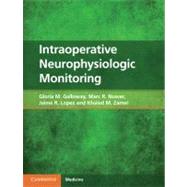
Intraoperative Neurophysiologic Monitoring
- ISBN 13:
9780521518031
- ISBN 10:
0521518032
- Edition: 1st
- Format: Hardcover
- Copyright: 11/29/2010
- Publisher: Cambridge University Press
.svg) Rent
From $97.30
Rent
From $97.30
List Price $156.00 Save
| TERM | PRICE | DUE |
|---|---|---|
 Free Shipping Both Ways
Highlight/Take Notes Like You Own It
Purchase/Extend Before Due Date
 Free Shipping On Every Order
List Price $156.00 Save $1.56
Special Order: 1-2 Weeks
 We Buy This Book Back!
.svg "Free Shipping On Every Order") Free Shipping On Every Order
Free Shipping On Every Order
Note: Supplemental materials are not guaranteed with Rental or Used book purchases.
Extend or Purchase Your Rental at Any Time
Need to keep your rental past your due date? At any time before your due date you can extend or purchase your rental through your account.


