FREE SHIPPING BOTH WAYS
ON EVERY ORDER!
LIST PRICE:
$55.41

OUR PRICE:
$15.24

You may extend rentals at any time.


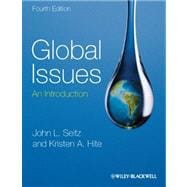
Global Issues : An Introduction

ISBN: 9780470655641 | 047065564X
Edition: 4th
Format: Paperback
Publisher: Wiley-Blackwell
Pub. Date: 1/30/2012

Why Rent from Knetbooks?

Because Knetbooks knows college students. Our rental program is designed to save you time and money. Whether you need a textbook for a semester, quarter or even a summer session, we have an option for you. Simply select a rental period, enter your information and your book will be on its way!

Top 5 reasons to order all your textbooks from Knetbooks:

  • We have the lowest prices on thousands of popular textbooks
  • Free shipping both ways on ALL orders
  • Most orders ship within 48 hours
  • Need your book longer than expected? Extending your rental is simple
  • Our customer support team is always here to help
SummaryTable of ContentsAuthor Biography
Fully revised and updated to reflect today's rapidly changing world, the Fourth Edition of Global Issues offers a comprehensive introduction to the most important environmental, economic, social, and political concerns of modern life. Opening with an overview of the complex origins of world problems, the book moves on to examine the reasons why some nations are rich and some are poor. Important issues such as population growth, hunger, the extinction of species, global warming and climatic change, ozone depletion, energy use, deforestation, and... MORE
List of Platesp. xi
List of Figures, Maps, and Tablesp. xiii
Forewordp. xv
Notesp. xvii
Introduction: The Creation of Global Issuesp. 1
Populationp. 3
The Changing Population of the Worldp. 3
Causes of the Population Explosionp. 10
How Population Growth Affects Developmentp. 14
Too rapidp. 1... MORE
Too slowp. 16
An aging population and low birth ratesp. 16
International conferences on populationp. 18
How Development Affects Population Growthp. 20
Demographic transitionp. 20
Factors lowering birth ratesp. 22
Governmental Population Policiesp. 25
Controlling growthp. 25
Promoting growthp. 30
The Futurep. 32
The growth of the world's populationp. 32
The carrying capacity of the earthp. 33
Optimum size of the earth's populationp. 35
Population-related problems in our futurep. 36
Conclusionsp. 38
Notesp. 39
Further Readingp. 42
Wealth and Povertyp. 44
The Millennium Development Goalsp. 49
Development Assistance and Foreign Aidp. 52
The Market Approachp. 55
The State Approachp. 58
The Civil Society Approachp. 61
Geography and Wealth, Geography and Povertyp. 64
Globalizationp. 66
Positive aspectsp. 67
Negative aspectsp. 68
An evaluationp. 69
Conclusionsp. 70
Notesp. 72
Further Readingp. 74
Foodp. 76
World Food Productionp. 76
How Many Are Hungry?p. 78
Causes of World Hungerp. 80
How Food Affects Developmentp. 82
How Development Affects Foodp. 84
The production of foodp. 84
The loss of foodp. 87
The type of foodp. 89
The Green Revolutionp. 94
Fertilizersp. 95
Pesticidesp. 96
Irrigationp. 96
The futurep. 96
Governmental Food Policiesp. 97
Future Food Suppliesp. 100
Climatep. 100
Arable landp. 100
Energy costsp. 102
Alternative/sustainable/organic agriculturep. 102
Biotechnologyp. 103
Fishing and aquaculturep. 105
Future food productionp. 106
Conclusionsp. 107
Notesp. 108
Further Readingp. 112
Energyp. 114
The Energy Crisisp. 114
Responses by Governments to the Energy Crisisp. 118
The United Statesp. 118
Western Europep. 120
Japanp. 120
Chinap. 121
The Effect of the Energy Crisis on the Development Plans of Less Developed Nationsp. 123
The Relationship between Energy Use and Developmentp. 124
A shift in types of energyp. 124
Increased usep. 125
The decoupling of energy consumption and economic growthp. 126
Climate Changep. 129
The evidencep. 129
Probable effectsp. 132
Uncertaintiesp. 135
What is being done at present?p. 136
What more can be done?p. 137
The Energy Transitionp. 139
Nonrenewable energy sourcesp. 139
Renewable energy sourcesp. 140
Conservation/energy efficiencyp. 147
Nuclear Power: A Case Studyp. 149
The potential and the perilp. 150
The choicep. 152
Conclusionsp. 155
Notesp. 156
Further Readingp. 161
The Environmentp. 163
The Awakeningp. 163
The Airp. 166
Smogp. 166
Airborne leadp. 170
Acid rainp. 171
Ozone depletionp. 173
Climate change (global warming)p. 175
The Waterp. 175
The Landp. 178
Solid wastesp. 179
Toxic wastesp. 181
Governmental and industrial responses to the waste problemp. 182
Deforestationp. 183
The Workplace and the Homep. 186
Cancerp. 186
Pesticidesp. 187
Chemicalsp. 188
The Use of Mineralsp. 189
Resource efficiencyp. 190
Recyclingp. 191
Substitutionp. 193
Reducing needsp. 193
Overdevelopmentp. 193
The Extinction of Speciesp. 194
The Extinction of Culturesp. 197
Environmental Politicsp. 200
Conclusionsp. 201
Notesp. 202
Further Readingp. 209
Technologyp. 211
Benefits of Technologyp. 211
The Tragedy of the Commons and the Role of Technology - Short-Term Benefits Versus Long-Term Costsp. 213
Unanticipated Consequences of the Use of Technologyp. 214
DDTp. 214
Factory farmsp. 214
Inappropriate Uses of Technologyp. 217
Limits to the "Technological Fix"p. 219
Warp. 221
The Threat of Nuclear Weapons: A Case Studyp. 223
The threatp. 224
New dangersp. 226
Conclusionsp. 228
Notesp. 229
Further Readingp. 231
Alternative Futuresp. 232
Current Outlook: Business as Usualp. 234
Collapse and Sustainable Developmentp. 235
Choicesp. 238
Improve productionp. 239
Reduce demandp. 239
Better management and governancep. 240
Conclusionp. 241
Notesp. 243
Further Readingp. 244
Studying and Teaching Global Issuesp. 247
Relevant Videosp. 254
Relevant Internet Websitesp. 265
Glossaryp. 272
Indexp. 276
Table of Contents provided by Ingram. All Rights Reserved.
John L. Seitz is Professor Emeritus of Government at Wofford College. He earned a BA and MPA from the Maxwell School of Citizenship and Public Affairs, Syracuse University, and a PhD in political science from the University of Wisconsin. He has extensive first-hand experience of South Korea, Iran, Brazil, Liberia, and Pakistan and previous editions of his book have been used around the world, including translations into Chinese, Japanese, and Portuguese. Kristen A. Hite leads the Climate Change Program at the Center for International Environmental Law and leaches at the University of Maryland. She earned a JD degree from Georgetown University Law Center.


Please wait while this item is added to your cart...