FREE SHIPPING BOTH WAYS
ON EVERY ORDER!
LIST PRICE:
$117.00

Sorry, this item is currently unavailable.

The Exceptional Child: Inclusion in Early Childhood Education
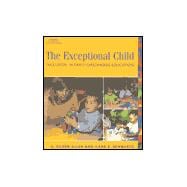
ISBN: 9780766802490 | 0766802493
Edition: 4th
Format: Paperback
Publisher: Wadsworth Publishing
Pub. Date: 9/19/2000

Why Rent from Knetbooks?

Because Knetbooks knows college students. Our rental program is designed to save you time and money. Whether you need a textbook for a semester, quarter or even a summer session, we have an option for you. Simply select a rental period, enter your information and your book will be on its way!

Top 5 reasons to order all your textbooks from Knetbooks:

  • We have the lowest prices on thousands of popular textbooks
  • Free shipping both ways on ALL orders
  • Most orders ship within 48 hours
  • Need your book longer than expected? Extending your rental is simple
  • Our customer support team is always here to help
SummaryTable of Contents
This helpful and practical book for teachers, parents, and caregivers of young children with developmental disabilities is a must-have resource that stresses the importance of effective instructional strategies and how these strategies can be embedded into an inclusive classroom. The NAEYC guidelines for developmentally appropriate practice are discussed, as well as specific information about special education laws. Useful information and strategies to work effectively with the parents of children with disabilities are offered, highlighted with a special focus on voices from the parents. There is more information about cultural diversity in this edition to help shape and apply the material in a diverse world. The appendices cover important information for both teachers and parents, with a selected list of screening tools and assessment instruments, a pre-school profile, sources of information, support, and training material for teachers and parents, and examples of how the parent can effectively interact with the children.
... MORE
Forewordvii
Prefaceix
Acknowledgmentsxiii
Section I Early Intervention and Public Policy1(52)
An Inclusive Approach to Early Education
2(20)
Inclusion Defined
3(2)
Inclusion in Perspective
5(1)
Rationale for Inclusive Early Education
6(5)
Supporting Inclusion: Implications for Teachers
11(2)
Benefits of Inclusion
13(1)
Concerns and Challenges of Inclusion
14(2)
Summary
16(3)
Special Focus: Coming Home to Regular Life---Vickie Louden
19(1)
Special Focus: What My Children and I Learned from Inclusion---Kathy Bylenok
20(2)
Inclusive Programs for Young Children
22(15)
Where Are Inclusive Early Childhood Programs?
23(2)
Recommended Practices for Inclusive Early Childhood Programs
25(2)
Essential Elements of Inclusive Programs Serving Children Birth to 2
27(3)
Essential Elements of Inclusive Programs Serving Children 3--5
30(2)
Essential Elements of Inclusive Programs Serving Children 6--8
32(2)
Summary
34(3)
Federal Legislation: Early Intervention and Prevention
37(16)
The Early Intervention Movement
38(1)
Public Policy and the Gifted
39(1)
Landmark Legislation and People with Disabilities
40(6)
Inclusion and Case Law
46(1)
Prevention and Related Legislation
46(4)
Summary
50(3)
Section II Likenesses and Differences Among Children53(84)
Normal and Exceptional Development
54(13)
What Is Normal or Typical Development?
56(3)
What Is Atypical or Exceptional Development?
59(2)
Children at Developmental Risk
61(3)
Summary
64(3)
Developmental Disabilities: Causes and Classifications
67(18)
Causes of Developmental Differences
68(6)
Poverty
74(1)
Classification of Developmental Disabilities
75(6)
Summary
81(4)
Sensory Impairments: Hearing and Vision
85(17)
Deafness and Hearing Loss
86(6)
Blindness and Vision Impairments
92(6)
Summary
98(4)
Physical Disabilities and Health Problems
102(19)
Physical Disabilities
103(6)
Health Problems
109(7)
Health Problems and Classroom Practices
116(1)
Summary
117(4)
Learning and Behavior Disorders
121(16)
Attention Deficit Hyperactivity Disorder (ADHD)
122(1)
History of ADHD
122(2)
Learning Disabilities
124(6)
Behavior Disorders
130(1)
Pervasive Developmental Disorders
131(2)
Eating and Elimination Disorders
133(1)
Summary
134(3)
Section III Planning for Inclusion137(60)
Partnership with Families
138(18)
Family Patterns and Expectations
139(5)
The Parent-Teacher Partnership
144(8)
Summary
152(4)
Assessment and the IFSP/IEP Process
156(25)
Assessment of Young Children
157(1)
The Process of Early Identification
158(3)
Teachers' Role in Early Identification
161(7)
Individualized Family Service Plan
168(3)
Individualized Education Plans (IEP)
171(6)
Summary
177(4)
Preparing Teachers for Inclusive Programs
181(16)
Teacher Training and Retraining
182(3)
The Applied Developmental Approach
185(8)
Summary
193(4)
Section IV Implementing Inclusive Early Childhood Programs197(137)
The Developmental-Behavioral Approach
198(16)
Developmental and Behavioral Principles: A Blend
199(2)
Behavior Principles and Practices
201(7)
Step-by-Step Learning
208(2)
Learning by Imitation
210(1)
Summary
211(3)
Arranging the Learning Environment
214(17)
The Inclusive Environment
215(1)
Preventive Discipline
216(1)
Arrangements for Learning
216(5)
Planning Early Learning Environments
221(2)
Scheduling
223(4)
Transitions
227(1)
Summary
228(3)
Facilitating Social Development
231(18)
Social Skills and Overall Development
232(1)
Appropriate Social Skills: What Are They?
233(1)
Acquiring Social Skills
234(11)
Teacher-Structured Peer Interactions
245(1)
Summary
246(3)
Facilitating Speech, Language, and Communication Development
249(17)
Defining Speech, Language, and Communication Skills
250(1)
Language Acquisition
250(1)
Sequences in Language Acquisition
251(5)
The Naturalistic Language-Learning Environment
256(3)
Speech Irregularities
259(2)
Bilingualism and English as a Second Language
261(2)
Summary
263(3)
Facilitating Preacademic and Cognitive Learning
266(19)
Preacademics and Emerging Literacy
267(1)
Identity Crisis
267(1)
Banning Academics: III-Advised?
268(1)
Preacademic Experiences
268(11)
Planning and Presenting Preacademics
279(2)
Summary
281(4)
Facilitating Self-Care, Adaptive, and Independence Skills
285(15)
Self-Care Skills and the Curriculum
286(4)
Self-Care Skills and the Teacher
290(7)
Summary
297(3)
Managing Challenging Behaviors
300(16)
Developmentally Normal Deviations
301(12)
Summary
313(3)
Planning Transitions to Support Inclusion Sarah Hadden and Susan Fowler
316(18)
Transitions During Early Childhood Services
317(1)
Transitions From Early Intervention Services to Preschool Services
317(8)
Transition to Kindergarten
325(5)
Conclusion
330(1)
Summary
331(3)
Glossary334(11)
Appendix A Selected List of Screening Tools and Assessment Instruments for Use with Infants and Young Children345(3)
Appendix B Preschool Profile348(3)
Appendix C Sources of Information, Support, and Training Material for Teachers and Parents of Children with Developmental Disabilities351(3)
Appendix D On-Line Resources354(2)
Appendix E Becoming Aware of Baby and You: Ways to Interact with Your Baby356(3)
Index359

Related Products


  • The Exceptional Child Inclusion in Early Childhood Education
    The Exceptional Child Inclusio...
  • The Exceptional Child: Inclusion in Early Childhood Education
    The Exceptional Child: Inclusi...
  • The Exceptional Child: Inclusion In Early Childhood Education
    The Exceptional Child: Inclusi...
  • The Exceptional Child: Inclusion in Early Childhood Education With Professional Enhancement Booklet
    The Exceptional Child: Inclusi...
  • The Exceptional Child: Inclusion in Early Childhood Education, 7th Edition
    The Exceptional Child: Inclusi...


Please wait while this item is added to your cart...