FREE SHIPPING BOTH WAYS
ON EVERY ORDER!
LIST PRICE:
$100.00

OUR PRICE:
$26.73

You may extend rentals at any time.


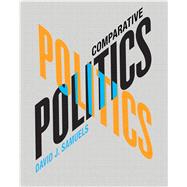
Comparative Politics

ISBN: 9780321449740 | 0321449746
Edition: 1st
Format: Paperback
Publisher: Pearson
Pub. Date: 2/8/2012

Why Rent from Knetbooks?

Because Knetbooks knows college students. Our rental program is designed to save you time and money. Whether you need a textbook for a semester, quarter or even a summer session, we have an option for you. Simply select a rental period, enter your information and your book will be on its way!

Top 5 reasons to order all your textbooks from Knetbooks:

  • We have the lowest prices on thousands of popular textbooks
  • Free shipping both ways on ALL orders
  • Most orders ship within 48 hours
  • Need your book longer than expected? Extending your rental is simple
  • Our customer support team is always here to help
SummaryTable of ContentsAuthor Biography
Debuting in its first edition and driven by a question-based approach, Comparative Politicsshows readers how to do real comparative analysis while introducing them to political institutions, identities, and interests. This thematic survey uniquely balances the howanalytical knowledgeand the whatdescriptive knowledgeto help readers make their own political arguments and to thus be more critically informed and engaged political participants.

Chapter 1. Doing Comparative Politics (Why study comparative politics?)

Chapter 2. The State (Where do “states” come from?)

Chapter 3. Democratic Political Regimes (What is democracy?)

Chapter 4. Non-Democratic Political Regimes (What is non-democracy?)

Chapter 5. Regime Change (What are the causes of regime change?)

Chapter 6. Political Identity (When does identity become... MORE

Chapter 7. Religion and Politics (What is the relationship between religious identity and democracy?)

Chapter 8. Gender and Politics (How do attitudes about gender influence politics?)

Chapter 9. Collective Action (Why do people participate collectively in politics?)

Chapter 10. Political Violence (What causes political violence?)

Chapter 11. Political Economy of Development (How do states promote economic development?)

Chapter 12. The Political Economy of Redistribution (Why do some wealthy democracies engage in more economic redistribution than others?)

Chapter 13. Globalization (How has globalization shaped politics in the world’s states?)

David J. Samuels is Benjamin E. Lippincott Professor of Political Science at the University of Minnesota.


Please wait while this item is added to your cart...