FREE SHIPPING BOTH WAYS
ON EVERY ORDER!
LIST PRICE:
$133.00

Sorry, this item is currently unavailable.

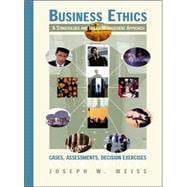
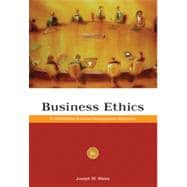
Business Ethics: A Stakeholder And Issues Management Approach

ISBN: 9780324223804 | 0324223803
Edition: 4th
Format: Paperback
Publisher: Cengage Learning
Pub. Date: 7/26/2005

Why Rent from Knetbooks?

Because Knetbooks knows college students. Our rental program is designed to save you time and money. Whether you need a textbook for a semester, quarter or even a summer session, we have an option for you. Simply select a rental period, enter your information and your book will be on its way!

Top 5 reasons to order all your textbooks from Knetbooks:

  • We have the lowest prices on thousands of popular textbooks
  • Free shipping both ways on ALL orders
  • Most orders ship within 48 hours
  • Need your book longer than expected? Extending your rental is simple
  • Our customer support team is always here to help
SummaryTable of Contents
This text examines the role of ethics in the business world and the ethical dilemmas encountered by managers. Ethical decisions do not take place in a vacuum, and many people, faced with their own interests and standards, are involved in business encounters every day. ?Stakeholder and Issues Management? is this text?s unique approach to teaching business ethics. It pays special attention to the relationships among the many and varied stakeholders that have roles in business situations, including both the market and non-market entities that affe... MORE
... MORE
Prefacexvii
Case Authorshipxxv
Chapter 1 Business Ethics, the Changing Environment, and Stakeholder Management1(46)
1.1 Business Ethics and the Changing Environment
2(5)
Seeing the "Big Picture"
3(1)
Environmental Forces and Stakeholders
4(2)
Stakeholder Management Approach
6(1)
1.2 What Is Business Ethics? Why Does It Matter?
7(5)
Unethical Business Practices of Employees
8(1)
Unethical Business Practices by Industry
9(1)
Why Does Ethics Matter in Business?
10(1)
Working for the Best Companies
11(1)
1.3 Levels of Business Ethics
12(2)
Asking Key Questions
13(1)
1.4 Five Myths about Business Ethics
14(5)
Myth 1: "Ethics Is a Personal, Individual Affair, Not a Public or Debatable Matter"
15(1)
Myth 2: "Business and Ethics Do Not Mix"
16(1)
Myth 3: "Ethics in Business Is Relative"
17(1)
Myth 4: "Good Business Means Good Ethics"
18(1)
Myth 5: "Information and Computing Are Amoral"
19(1)
1.5 Why Use Ethical Reasoning in Business?
19(1)
1.6 Can Business Ethics Be Taught and Trained?
20(3)
Stages of Moral Development
22(1)
Kohlberg's Study and Business Ethics
22(1)
1.7 Plan of the Book
23(2)
Summary
25(1)
Questions
26(1)
Exercises
27(2)
Ethical Dilemma: You're in the Hot Seat
27(2)
Cases
29(18)
Case 1: Enron: What Caused the Ethical Collapse?
29(5)
Case 2: Microsoft: Industry Predator or Fierce Competitor?
34(13)
Chapter 2 Stakeholder and Issues Management Approaches47(66)
2.1 Why Use a Stakeholder Management Approach for Business Ethics?
48(3)
The Outsourcing Debate
49(2)
2.2 Stakeholder Management Approach Defined
51(2)
Stakeholders
52(1)
Stakes
53(1)
2.3 How to Execute a Stakeholder Analysis
53(9)
Taking a Third-Party Objective Observer Perspective
54(1)
Role of the CEO in Stakeholder Analysis
54(8)
Summary of Stakeholder Analysis
62(1)
2.4 Negotiation Methods: Resolving Stakeholder Disputes
62(3)
2.5 Stakeholder Approach and Ethical Reasoning
65(1)
2.6 Moral Responsibilities of Cross-Functional Area Professionals
66(4)
Marketing and Sales Professionals and Managers as Stakeholders
67(1)
R&D Engineering Professionals and Managers as Stakeholders
68(1)
Public Relations Managers as Stakeholders
68(1)
Human Resource Managers as Stakeholders
69(1)
Summary of Managerial Moral Responsibilities
69(1)
2.7 Issues Management, Stakeholder Approach, and Ethics: Integrating Frameworks
70(8)
Stakeholder and Issues Management: "Connecting the Dots"
71(1)
Moral Dimensions of Stakeholder and Issues Management
72(1)
Introduction to Three Issue Management Frameworks
72(3)
First Approach: 6-Step Issue Management Process
75(1)
Second Approach: 7-Phase Issue Development Process
76(1)
Third Approach: 4-Stage Issue Life Cycle
77(1)
2.8 Two Crisis-Management Approaches
78(5)
First Approach: Precrisis through Resolution
79(2)
Second Approach: Reaction through Accommodation
81(1)
Crisis Management Recommendations
82(1)
Summary
83(3)
Questions
86(1)
Exercises
86(3)
Ethical Dilemma: Who Is Responsible to Whom?
87(2)
Cases
89(24)
Case 3: The Tylenol Crisis: How Effective Public Relations Saved Johnson & Johnson
89(8)
Case 4: The Plundering of Adelphia Communications: The Saga of the Rigas Family
97(4)
Case 5: Accounting Irregularities at WorldCom
101(5)
Case 6: Arthur Andersen...No More: What Went Wrong?
106(7)
Chapter 3 Ethical Principles, Quick Tests, and Decision-Making Guidelines113(54)
3.1 Decision Criteria, Moral Creativity, and Ethical Reasoning
114(6)
Moral Creativity
115(2)
12 Questions to Get Started
117(1)
Three Criteria in Ethical Reasoning
118(1)
Moral Responsibility
119(1)
3.2 Utilitarianism: A Consequentialist (Results-Based) Approach
120(4)
Utilitarianism and Stakeholder Analysis
123(1)
3.3 Universalism: A Deontological (Duty-Based) Approach
124(2)
Universalism and Stakeholder Analysis
125(1)
3.4 Rights: A Moral and Legal Entitlement-Based Approach
126(2)
Rights and Stakeholder Analysis
127(1)
3.5 Justice: Procedures, Compensation, and Retribution
128(2)
Rights, Power, and "Transforming Justice"
129(1)
Justice and Stakeholder Analysis
130(1)
3.6 Virtue Ethics: Character-Based Virtues
130(2)
Virtue Ethics and Stakeholder Analysis
131(1)
3.7 Ethical Relativism: A Self-Interest Approach
132(3)
Ethical Relativism and Stakeholder Analysis
134(1)
3.8 Immoral, Amoral, and Moral Management
135(1)
3.9 Four Social Responsibility Roles
136(3)
3.10 Individual Ethical Decision-Making Styles
139(3)
Communicating and Negotiating across Ethical Styles
141(1)
3.11 Quick Ethical Tests
142(1)
3.12 Concluding Comments
143(1)
Back to Louise Simms...
143(1)
Summary
144(1)
Questions
145(1)
Exercises
146(2)
Ethical Dilemma: Now What Should I Do?
146(2)
Cases
148(19)
Case 7: Samuel Waksal and ImClone
148(4)
Case 8: Aaron Feuerstein and Malden Mills: How Values Guide Actions in a Post-Crisis Situation
152(6)
Case 9: Ford's Pinto Fires: The Retrospective View of Ford's Field Recall Coordinator
158(9)
Chapter 4 The Corporation and External Stakeholders: Managing Moral Responsibility: From the Boardroom to the Marketplace167(120)
4.1 Managing Corporate Responsibility: From the Boardroom to the Marketplace
168(4)
Managing Stakeholders Profitably and Responsibly
169(3)
4.2 Managing Corporate Responsibility with External Stakeholders
172(3)
The Corporation as Social and Economic Stakeholder
172(1)
The Social Contract
172(1)
Balance between Ethical Motivation and Compliance
173(1)
Covenantal Ethic
173(1)
The Moral Basis and Social Power of Corporations as Stakeholders
174(1)
Corporate Philanthropy
175(1)
4.3 Managing the Legal Environment: Corporate Governance and Regulation
175(8)
Reforming Corporate Boards of Directors
175(2)
Corporate Oversight and Regulation
177(2)
The "Carrot" or "Stick" Approach: Which Works Best?
179(1)
Sarbanes-Oxley Act
179(1)
Pros and Cons of Implementing the Sarbanes-Oxley Act
180(2)
Revised 1991 Federal Sentencing Guidelines
182(1)
4.4 Managing External Issues, Conflicts, and Crises
183(7)
4.5 Corporate Responsibility toward Consumer Stakeholders
190(5)
U.S., French, and German Consumers
190(1)
Corporate Responsibilities and Consumer Rights
191(1)
Free-Market Theory: Relationship between Consumers and Corporations
192(1)
Problems with the Free-Market Theory
193(1)
Mixed Market Economies
194(1)
Consumer Protection Agencies and Law
194(1)
4.6 Corporate Responsibility in Advertising, Product Safety, and Liability
195(20)
Ethics and Advertising
196(1)
The FTC and Advertising
196(1)
Advertising and the Internet
197(2)
Paternalism or Manipulation?
199(1)
Arguments for Advertising
200(1)
Arguments against (Questionable) Advertising
201(1)
Fast Food Nation
201(2)
Tobacco and Alcohol Advertising
203(1)
U.S. Government versus Tobacco Industry: Racketeering
204(1)
Alcohol Ads
204(2)
Ethical Questions and Advertising
206(1)
Advertising and Free Speech
206(1)
Product Safety and Liability
207(1)
How Safe Is Safe? The Ethics of Product Safety
208(3)
Product Liability Doctrines
211(1)
Legal and Moral Limits of Product Liability
212(2)
Federal Activity
214(1)
Proactive Action by States
214(1)
4.7 Corporate Responsibility and the Environment
215(9)
Most Significant Environmental Problems
216(3)
Causes of Environmental Pollution
219(1)
Enforcement of Environmental Laws
219(1)
The Ethics of Ecology
220(2)
Green Marketing, Environmental Justice, and Industrial Ecology
222(1)
Rights of Future Generations and Right to a Livable Environment
222(1)
Recommendations to Managers
223(1)
Summary
224(2)
Questions
226(1)
Exercises
227(2)
Ethical Dilemma: Ethical Practice or Entrapment?
228(1)
Cases
229(58)
Case 10: Napster: From Illegal Weapon to Killer Application
229(7)
Case 11: Apple Computer's Online Music Venture
236(8)
Case 12: Dow Corning and the Silicone Breast Implant Controversy
244(10)
Case 13: Colt and the Gun Control Controversy
254(8)
Case 14: Wal-Mart: Problems in Paradise?
262(10)
Case 15: Nike's Responses to Sweatshop Charges: Protected or Unprotected Speech?
272(15)
Chapter 5 The Corporation and Internal Stakeholders: Values-Based Moral Leadership, Culture, Strategy, and Self-Regulation287(74)
5.1 Leadership and Stakeholder Management
287(18)
Defining Purpose, Mission, and Values
288(6)
Leadership Stakeholder Competencies
294(4)
Spiritual Dimension of Leadership
298(1)
Failure of Ethical Leadership
299(1)
Ethical Dimensions of Leadership Styles
300(3)
How Should CEOs as Leaders Be Evaluated and Rewarded?
303(2)
5.2 Organizational Culture and Stakeholder Management
305(4)
Organizational Culture Defined
305(1)
Observing Organizational Culture
306(1)
Traits and Values of Strong Corporate Cultures
306(1)
High-Ethics Companies
307(1)
Cultures in Trouble
308(1)
5.3 Leading and Managing Strategy and Structure
309(5)
Organizational Structure
312(1)
Boundaryless and Networked Organizations
313(1)
5.4 Leading and Balancing Internal Stakeholder Values in the Organization
314(3)
5.5 Corporate Self-Regulation and Ethics Programs: Challenges and Issues
317(7)
Ethics Codes
318(2)
Ombudspersons and Peer Review Programs
320(2)
Ethics Programs
322(1)
Is the Organization Ready to Implement a Values-Based Stakeholder Approach? A Readiness Checklist
323(1)
Summary
324(2)
Questions
326(1)
Exercises
327(6)
Ethical Dilemma: Values and Leadership at Z (Insurance) Corp.
328(2)
Ethical Dilemma: Whose Values? Whose Decision?
330(3)
Cases
333(28)
Case 16: Fortune's Global Most Admired Companies: Do Values Make a Difference?
333(8)
Case 17: What's Written versus Reality: Ethical Dilemmas in a Hi-Tech Public Relations Firm
341(10)
Case 18: Sotheby's Price Fixing
351(10)
Chapter 6 Employee Stakeholders and the Corporation361(76)
6.1 Employee Stakeholders: The Workforce in the Twenty-First Century
362(11)
The Changing Workforce
364(3)
Issues and Implications of Workforce Changes
367(3)
Advancement of Women in the Workforce
370(1)
Generational Value Differences in the Workplace
371(2)
6.2 The Changing Social Contract between Corporations and Employees
373(3)
6.3 Employee and Employer Rights and Responsibilities
376(17)
Moral Foundation of Employee Rights
376(1)
The Principle of Balance in the Employee and Employer Social Contract and the Reality of Competitive Change
377(1)
Rights from Government Legislation
378(1)
Rights and Responsibilities between Employers and Employees
379(1)
Employer Responsibilities to Employees
379(2)
Employee Responsibilities to Employers
381(1)
Employee Rights in the Workplace
382(11)
6.4 Discrimination, Equal Employment Opportunity, and Affirmative Action
393(9)
Discrimination
394(1)
Equal Employment Opportunity and the Civil Rights Act
395(1)
Age and Discrimination in the Workplace
396(1)
Comparable Worth and Equal Pay
396(1)
Affirmative Action
397(1)
Ethics and Affirmative Action
398(1)
Reverse Discrimination: Arguments against Affirmative Action
398(1)
Supreme Court Rulings and Reverse Discrimination
399(3)
6.5 Sexual Harassment in the Workplace
402(5)
What Is Sexual Harassment?
403(1)
Who Is Liable?
404(1)
Tangible Employment Action and Vicarious Liability
404(2)
Sexual Harassment and Foreign Firms in the United States
406(1)
6.6 Whistle-Blowing versus Organizational Loyalty
407(6)
When Whistle-Blowers Should Not Be Protected
411(1)
Factors to Consider before Blowing the Whistle
411(1)
Managerial Steps to Prevent External Whistle-Blowing
412(1)
Summary
413(1)
Questions
414(1)
Exercises
415(3)
Ethical Dilemma: Cheating or Leveling the Playing Field?
416(2)
Cases
418(19)
Case 19: Sherron Watkins-Revelations of a Letter
418(5)
Case 20: Women on Wall Street: Fighting for Equality in a Male-Dominated Industry
423(14)
Chapter 7 Business Ethics, Stakeholder Management, and Multinational Corporations in the Global Environment437(58)
7.1 The Connected Global Economy and Globalization
438(3)
Globalization and the Forces of Change
438(3)
7.2 Globalization and Best Business Practices
441(3)
"Smart Globalization"
441(1)
World's Most Admired Companies: Best Practices
442(2)
7.3 Issues with Globalization: The Dark Side
444(5)
7.4 Multinational Enterprises as Stakeholders
449(8)
Power of Multinational Enterprises
450(1)
Misuses of MNE Power
451(2)
MNE Perspective
453(3)
Host-Country Perspective
456(1)
7.5 Multinational Enterprise Guidelines for Managing Morality
457(4)
Employment Practices and Policies
458(1)
Consumer Protection
459(1)
Environmental Protection
459(1)
Political Payments and Involvement
460(1)
Basic Human Rights and Fundamental Freedoms
460(1)
7.6 Stakeholder Management: Cross-Cultural Ethical Decision-Making and Negotiation Methods
461(9)
External Corporate Monitoring Groups
461(1)
Individual Stakeholder Methods for Ethical Decision Making
462(5)
Four Typical Styles of International Ethical Decision Making
467(1)
Hypernorms, Local Norms, and Creative Ethical Navigation
468(2)
Summary
470(2)
Questions
472(1)
Exercises
473(3)
Ethical Dilemma: Jane's New Assignment
473(1)
Ethical Dilemma: Who's Training Whom?
474(2)
Cases
476(19)
Case 21: Olympic Athlete Drug Testing: Creating an Anti-Doping Culture and Fair Competition
476(7)
Case 22: Sweatshops: Just a Problem in Developing Nations?
483(12)
Index495

Related Products


  • Business Ethics : A Stakeholder and Issues Management Approach
    Business Ethics : A Stakeholde...
  • Business Ethics : A Stakeholder and Issues Management Approach
    Business Ethics : A Stakeholde...
  • Business Ethics: A Stakeholder and Issues Management Approach
    Business Ethics: A Stakeholder...
  • Business Ethics: A Stakeholder and Issues Management Approach, 5th Edition
    Business Ethics: A Stakeholder...
  • Cram101 Textbook Outlines to Accompany Business Ethics - a Stakeholder and Issues Management Approach, Weiss, 3rd Edition
    Cram101 Textbook Outlines to A...
  • Outlines and Highlights for Business Ethics : A Stakeholder and Issues Management Approach by Joseph W. Weiss, ISBN
    Outlines and Highlights for Bu...


Please wait while this item is added to your cart...