Free Shipping On Every Order



Amazon no longer offers textbook rentals. We do!
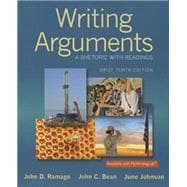
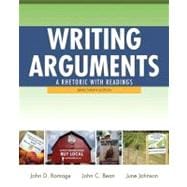
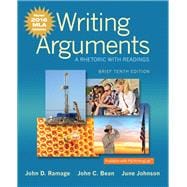
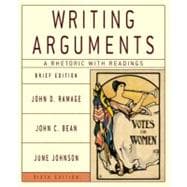
Writing Arguments, Brief Edition A Rhetoric with Readings
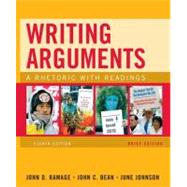
Writing Arguments, Brief Edition A Rhetoric with Readings
- ISBN 13:
9780205665761
- ISBN 10:
0205665764
- Edition: 8th
- Format: Paperback
- Copyright: 01/07/2009
- Publisher: Longman
- Newer Edition
Rent
Sorry, this item is currently unavailable.
 Free Shipping On Every Order
Note: Supplemental materials are not guaranteed with Rental or Used book purchases.
Extend or Purchase Your Rental at Any Time
Need to keep your rental past your due date? At any time before your due date you can extend or purchase your rental through your account.
Summary
The market-leading guide to arguments,Writing Arguments, Brief edition, 8/e, has proven highly successful in teaching readers to read arguments critically and to produce effective arguments of their own. The text teaches how to write better arguments, and how to research for arguments.
Table of Contents
Read moreSupplemental Materials
Read moreRelated Products