Free Shipping On Every Order



Amazon no longer offers textbook rentals. We do!
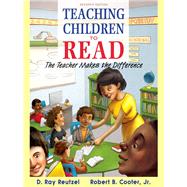
Teaching Children to Read : The Teacher Makes the Difference
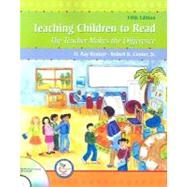
Teaching Children to Read : The Teacher Makes the Difference
- ISBN 13:
9780136138068
- ISBN 10:
0136138063
- Edition: 5th
- Format: Paperback
- Copyright: 01/01/2008
- Publisher: Prentice Hall
- Newer Edition
Rent
Sorry, this item is currently unavailable.
 Free Shipping On Every Order
Note: Supplemental materials are not guaranteed with Rental or Used book purchases.
Extend or Purchase Your Rental at Any Time
Need to keep your rental past your due date? At any time before your due date you can extend or purchase your rental through your account.
Summary
A major revision to this popular market leading book makes this a must-have for all new teachers. Continuing to offer a comprehensive and balanced approach to reading instruction, with this new edition the authors clearly illustrate for readers that it's the teacher that makes the difference for children's literacy development. The new edition organizes each chapter with five pillars of effective reading instruction:Teacher Knowledge, Classroom Assessment, Effective Practice, Differentiated Instruction, and Family Home Connections.This organization reinforces the teacher's role in every aspect of reading instruction. Step inside the classroom and see effective classroom instruction in practice through integrated CD and web-based videos illustrating what application of chapter concepts look like in action.
Table of Contents
Read moreSupplemental Materials
Read moreRelated Products