FREE SHIPPING BOTH WAYS
ON EVERY ORDER!
LIST PRICE:
$80.00

Sorry, this item is currently unavailable.

Approaches to Early Childhood Education
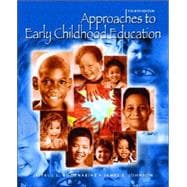
ISBN: 9780131408111 | 0131408119
Edition: 4th
Format: Paperback
Publisher: Prentice Hall
Pub. Date: 1/1/2005

Why Rent from Knetbooks?

Because Knetbooks knows college students. Our rental program is designed to save you time and money. Whether you need a textbook for a semester, quarter or even a summer session, we have an option for you. Simply select a rental period, enter your information and your book will be on its way!

Top 5 reasons to order all your textbooks from Knetbooks:

  • We have the lowest prices on thousands of popular textbooks
  • Free shipping both ways on ALL orders
  • Most orders ship within 48 hours
  • Need your book longer than expected? Extending your rental is simple
  • Our customer support team is always here to help
SummaryTable of Contents
For upper-level undergraduate students or graduate students in Early Childhood Education, Child Development, and Human Development. From approaches steeped in the history of education, child development, and the psychological sciences, to contemporary approaches that address multiculturalism and inclusion, this comprehensive text, with its contributions by major experts in the field, more thoroughly examines more topics and models than does any other text on the market. Coverage is strengthened by the broad-based expertise of the contributors a... MORE
... MORE
Introduction
Historical Perspectives on Early Childhood Educationp. 3
Eighteenth-Century Educationp. 3
Nineteenth-Century Early Educationp. 5
Twentieth-Century Progressive Educationp. 12
Twentieth-Century Child Studyp. 13
Twentieth-Century Innovations in Europe: Montessori's Children's Housep. 16
United States National Emergencies and Early Educationp. 18
Decline of Progressivism and the Influence of Sputnikp. 21
Constructivist Theory in Early Educationp. 21
Head Startp. 23
1970-1990: Rapid Change and School Reformp. 26
Conclusionp. 29
Referencesp. 31
Child Carep. 39
Forms of Child Carep. 39
Quality of Child Care in Center and Family Day Carep. 41
Children's Development and Child-Care Qualityp. 48
Conclusionp. 50
Referencesp. 50
The Head Start Programp. 55
Evolution of Head Startp. 55
Program Services and Effectivenessp. 61
Demonstration Projectsp. 69
Head Start in the 21st Centuryp. 71
Referencesp. 73
Broad Approaches
Classes for Parents and Young Children: The Family Center Modelp. 79
Ongoing Changes in Societal Patternsp. 82
New Research on Brain Developmentp. 82
New Interest in Parent-Infant Programs at Federal, State, and Local Levelsp. 82
Programs for Special Populationsp. 84
Parenting Classesp. 85
Selecting Teachers for Parent-Infant Classesp. 92
Inservice Training and Mentorshipp. 92
Summaryp. 94
Referencesp. 94
The Eriksonian Approachp. 97
Description of Family Development Research Programp. 98
Eriksonian Theory: Tenets and Principlesp. 101
Caregiver Interactions: An Eriksonian Approachp. 106
Eriksonian Ideas Blended with Piagetian Gamesp. 108
Evaluationp. 109
Lessons from FDRP and Suggestions for Future Programsp. 115
Conclusionp. 117
Referencesp. 118
Behavior Analysis and Principles in Early Childhood Educationp. 123
Conceptual and Philosophic Basesp. 125
Two Fundamental Principles of Behaviorp. 129
Six Important Strategiesp. 131
The Behavioral Classroomp. 134
Referencesp. 146
The Constructivist Perspective on Early Education: Applications to Children's Museumsp. 149
The Prominence of Constructivismp. 149
Distinguishing Constructivism from Other Approachesp. 149
Constructivism and the Young Childp. 151
Constructivisms Contrastedp. 153
Applications to Early Childhood Educationp. 159
Constructivism in Children's Museumsp. 164
Conclusionp. 172
Referencesp. 173
The Project Approach: An Overviewp. 175
What Is a Project?p. 175
Project Work and Other Parts of the Curriculump. 176
Theoretical Rationale for the Project Approachp. 178
Implementing Project Workp. 181
Phases of Project Workp. 184
Summaryp. 189
Referencesp. 189
Montessori Education Todayp. 191
Key Tenets and Background Informationp. 193
Montessori's View of Human Developmentp. 195
Program Characteristicsp. 198
Curriculum Areasp. 202
The Role of the Teacherp. 207
Research on Montessorip. 209
Discussionp. 212
Public Montessori Programsp. 215
Conclusionp. 217
Web Resources on Montessorip. 218
Addresses and Phone Numbers of Major U.S. Montessori Organizationsp. 218
Referencesp. 219
Mixed-Age Classrooms for Young Childrenp. 221
Conceptual Frameworkp. 222
Overall Goals and Objectivesp. 226
Implementationp. 227
Observation and Assessmentsp. 229
Summaryp. 233
Referencesp. 233
Specific Programs
The Portage Project: An International Home Approach to Early Intervention for Young Children and Their Familiesp. 241
Home-Based Early Interventionp. 241
The Portage Modelp. 244
Research and Evaluation of the Portage Modelp. 250
Adaptations and Applications of Portagep. 252
New Challenges for Portagep. 255
Conclusionp. 257
Referencesp. 257
The Developmental-Interaction Approach at Bank Street College of Educationp. 263
History and Evolutionp. 263
Basic Principlesp. 265
Curriculump. 267
Implications for Teacher Educationp. 272
Summaryp. 273
Referencesp. 274
The High/Scope Curriculum for Early Childhood Care and Educationp. 277
Historyp. 278
Active Learning by the Childp. 279
Role of the Teacherp. 279
Daily Routine to Support Active Learningp. 280
Key Experiences in Child Developmentp. 282
High/Scope Child Observation Recordp. 283
Role of Parents and Communityp. 284
High/Scope Curriculum Trainingp. 284
Research Support for the High/Scope Curriculump. 285
Relationship of Research to the High/Scope Curriculump. 290
Summaryp. 291
Referencesp. 292
The Ausubelian Preschool Classroomp. 295
Program Approachp. 295
Teaching Method in Ausubelian Programp. 300
A Typical Day in an Ausubelian Programp. 306
Program Evaluationp. 307
Summaryp. 311
Referencesp. 312
Educating the Young Thinker Model, from Research to Practice: A Case Study of Program Development, or the Place of Theory and Research in the Development of Educational Programsp. 315
Preamblep. 315
Conceptual Origins of the Programp. 320
Conceptualization of the Problemp. 321
Conceptual Answers Regarding Representational Competencep. 322
First Attempt at Intervention with Distancing Strategiesp. 322
Conceptual Focus of Educating the Young Thinker Programp. 323
A Day in Preschoolp. 326
Further Examples Supporting the Psychological Distancing Modelp. 334
Further Theoretical and Practical Implicationsp. 337
Referencesp. 338
Reggio Emilia: An Approach or An Attitude?p. 341
Reggio Emilia in Contextp. 341
Reggio Emilia as a Case of Selected Traditionsp. 343
Conclusionp. 355
Referencesp. 357
Integral Dimensions
Including Everyone: A Model Preschool Program for Typical and Special-Needs Childrenp. 361
Jowonio Historyp. 363
Philosophical Basep. 363
Dealing with Problem Behaviorp. 366
School and Class Compositionp. 370
Strategies for Accomplishing Inclusionp. 370
Transitioning to Next Environmentp. 372
Implications for Teacher Trainingp. 374
Additional Inclusion Effortsp. 374
Summaryp. 375
Referencesp. 376
A Framework for Culturally Relevant, Multicultural, and Antibias Education in the 21st Centuryp. 379
What and How Young Children Learn about Diversityp. 380
Educational Approaches to Diversity: Past and Presentp. 387
Quality Education for the 21st Century: Teacher Implicationsp. 393
Conclusionp. 399
Referencesp. 399
Epiloguep. 405
Indexp. 413
Table of Contents provided by Syndetics. All Rights Reserved.

Related Products


  • Approaches to Early Childhood Education
    Approaches to Early Childhood ...
  • Approaches to Early Childhood Education
    Approaches to Early Childhood ...
  • Approaches to Early Childhood Education
    Approaches to Early Childhood ...
  • Approaches to Early Childhood Education
    Approaches to Early Childhood ...
  • Outlines and Highlights for Approaches to Early Childhood Education by Jaipaul Roopnarine, Isbn : 9780135126288
    Outlines and Highlights for Ap...


Please wait while this item is added to your cart...